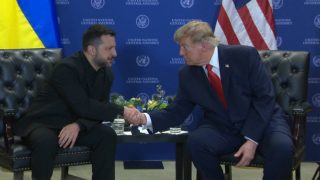


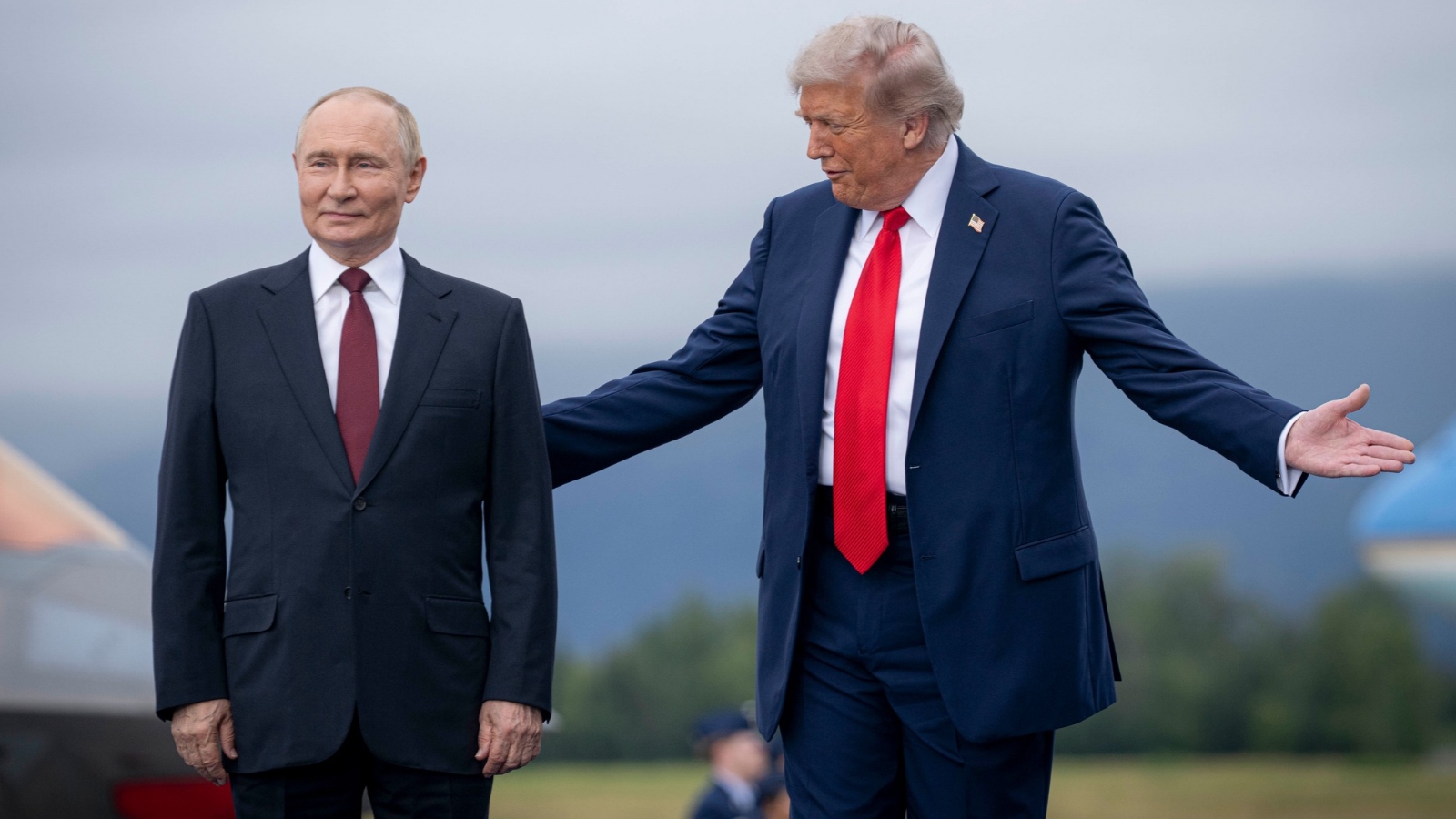


US President Donald Trump has repeatedly threatened countries buying Russian oil with economic sanctions, arguing that their purchases help finance Moscow’s war against Ukraine.
He imposed additional tariffs on India, urged NATO allies to stop buying Russian petroleum, and called for steep tariffs on China.
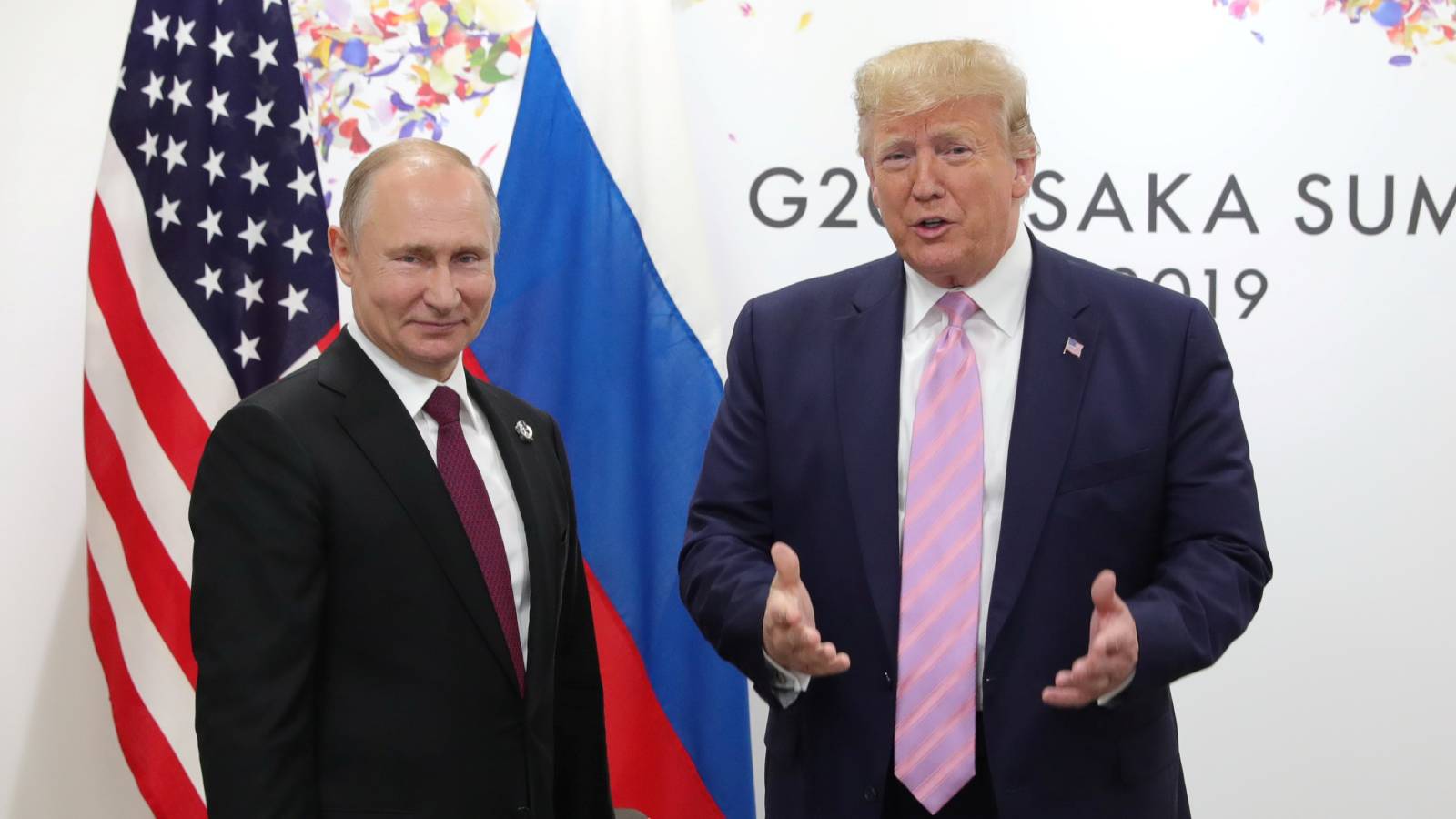
Now, Trump has announced an arrangement with Vladimir Putin for Russia to supply millions of tonnes of diesel to the United States and global markets weeks after signing legislation intended to restrict Russia’s energy revenues.
His administration also issued a temporary licence easing sanctions on Russian diesel shipments, creating an apparent contradiction in Washington’s approach. This is the standard against which Trump's latest decision is now being questioned.
What Trump signed
On September 18, Trump signed the Lindsey O. Graham Sanctioning Russia and Iran Act of 2026, intended to increase pressure on Russia over Ukraine.
One of its most consequential provisions directs the president to impose tariffs of up to 100 per cent on goods from the top five importers of Russian oil or natural gas. Countries that import relatively small amounts of Russian gas and have taken significant steps to reduce their dependence are reportedly exempted.
The law is designed to put pressure not only on Moscow but on countries whose purchases sustain Russia's energy economy. By threatening access to the US market, Washington seeks to make continued trade with Russia more costly.
Presidential action is required within 30 days of enactment, placing the deadline around October 18, 2026. That deadline has become particularly significant. Rather than tightening restrictions on Russian energy sales, the administration moved to ease certain sanctions to allow qualifying diesel shipments to proceed.
The timing raises questions about how Washington will implement the new law while pursuing its own arrangement with Moscow.
India: an additional 25% tariff
On August 6, 2025, Trump signed an executive order imposing an additional 25 per cent tariff on Indian imports because of India's continued purchases of Russian oil. The measure took effect later that month, on top of other applicable duties. Trump said that India's oil purchases from Russia helped Moscow finance its war in Ukraine.
The additional India-specific tariff was removed in February 2026 after Washington said New Delhi had committed to stop importing Russian oil. The episode nevertheless remains a clear example of Trump using access to the US market as leverage over another country's energy trade.
If Trump invokes and implements the Lindsey O. Graham Sanctioning Russia and Iran Act of 2026, India could face up to 100 per cent .
China: a proposed tariff of 50% to 100%
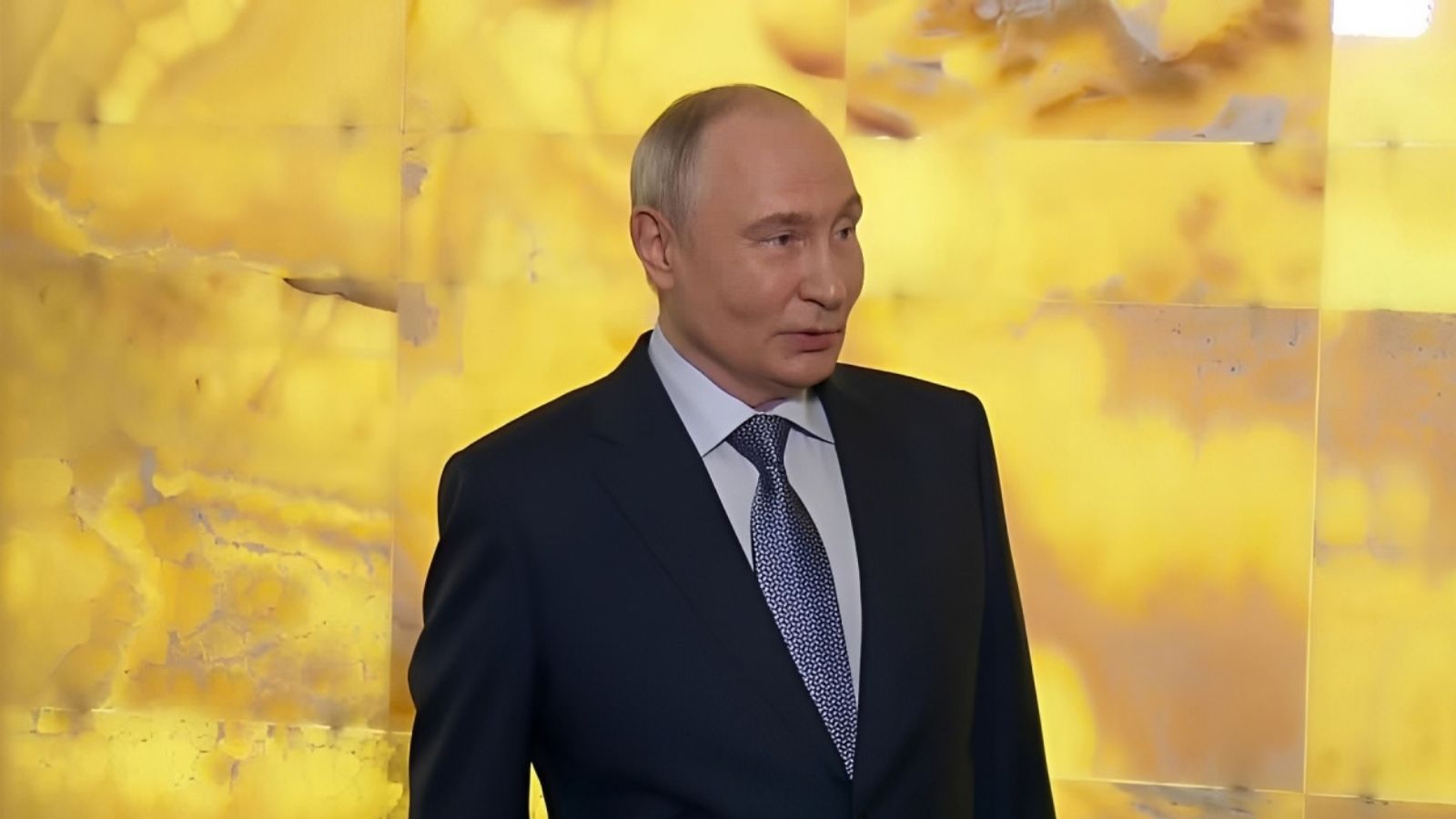
On September 13, 2025, Trump called on NATO countries to stop buying Russian oil and urged them to consider imposing tariffs of 50 per cent to 100 per cent on China over its purchases of Russian petroleum. He argued that continued Russian oil purchases weakened the West's negotiating position and bargaining power over Moscow.
This was a call for NATO members to take action, not a declaration that every member had imposed the proposed tariffs on China. Nevertheless, the threat reflected Trump's willingness to use trade penalties to pressure countries maintaining economic ties with Russia.
China is also among the countries potentially exposed to the newer legislation because of the scale of its Russian energy imports.
NATO members: Turkey, Hungary and Slovakia
Turkey, Hungary and Slovakia were among the NATO members identified in reporting at the time as continuing to purchase Russian petroleum. Trump's September 2025 demand was that NATO countries halt those purchases as part of a wider effort to increase pressure on Russia.
These cases should be distinguished from India's: Trump's public demand that NATO members stop buying Russian oil did not mean he imposed the same additional tariff on each of them.
Countries that continue buying Russian energy, under this reasoning, provide Moscow with an economic lifeline even as the United States and its allies seek to pressure Putin into ending the conflict in Ukraine. The White House explicitly used this argument to justify the additional tariff on India in August 2025.
The Trump-Putin diesel arrangement
On October 9, Trump announced that, after a call with Putin, Russia had agreed to supply diesel to the US and global markets.
According to Trump, Russia would supply more than 300,000 tonnes immediately, 500,000 tonnes in November, 1 million tonnes ‘immediately thereafter,’ and a further 3 million tonnes depending on refinery conditions-up to 4.8 million tonnes overall.
Trump framed the move as a way to lower US fuel prices for farmers, ranchers and truckers. The announcement came amid energy-market disruption from the Iran war and ahead of the November 3 midterms. The commercial terms, buyers, pricing, delivery timing, and any US concessions remain unclear.
US Treasury eases sanctions on Russian diesel
Shortly afterward, the US Treasury issued General License 135, authorising specified transactions for the sale, delivery, offloading and importation of Russian-origin diesel.
The temporary relief runs until April 7, 2027 and is not a blanket suspension of Russia energy sanctions. The timing is significant. Washington has been seeking to restrict Russia's energy revenue while pressuring other countries to reduce their purchases. It has now temporarily eased restrictions to facilitate Russian diesel sales.
The administration's stated objective is to increase fuel availability and address high domestic prices. But the decision creates an apparent tension between that immediate economic goal and its broader policy of restricting the revenue Russia earns from energy exports.
How Trump's deal could benefit Russia
The immediate benefit for Russia is the prospect of additional diesel sales and the revenue that accompanies them. The wider concern is the signal the arrangement sends about the consistency of US sanctions policy.
Energy strategist Clayton Seigle of the Center for Strategic and International Studies told the Associated Press that the deal was a significant benefit to Russia and Putin, although its effect on global prices might be limited.
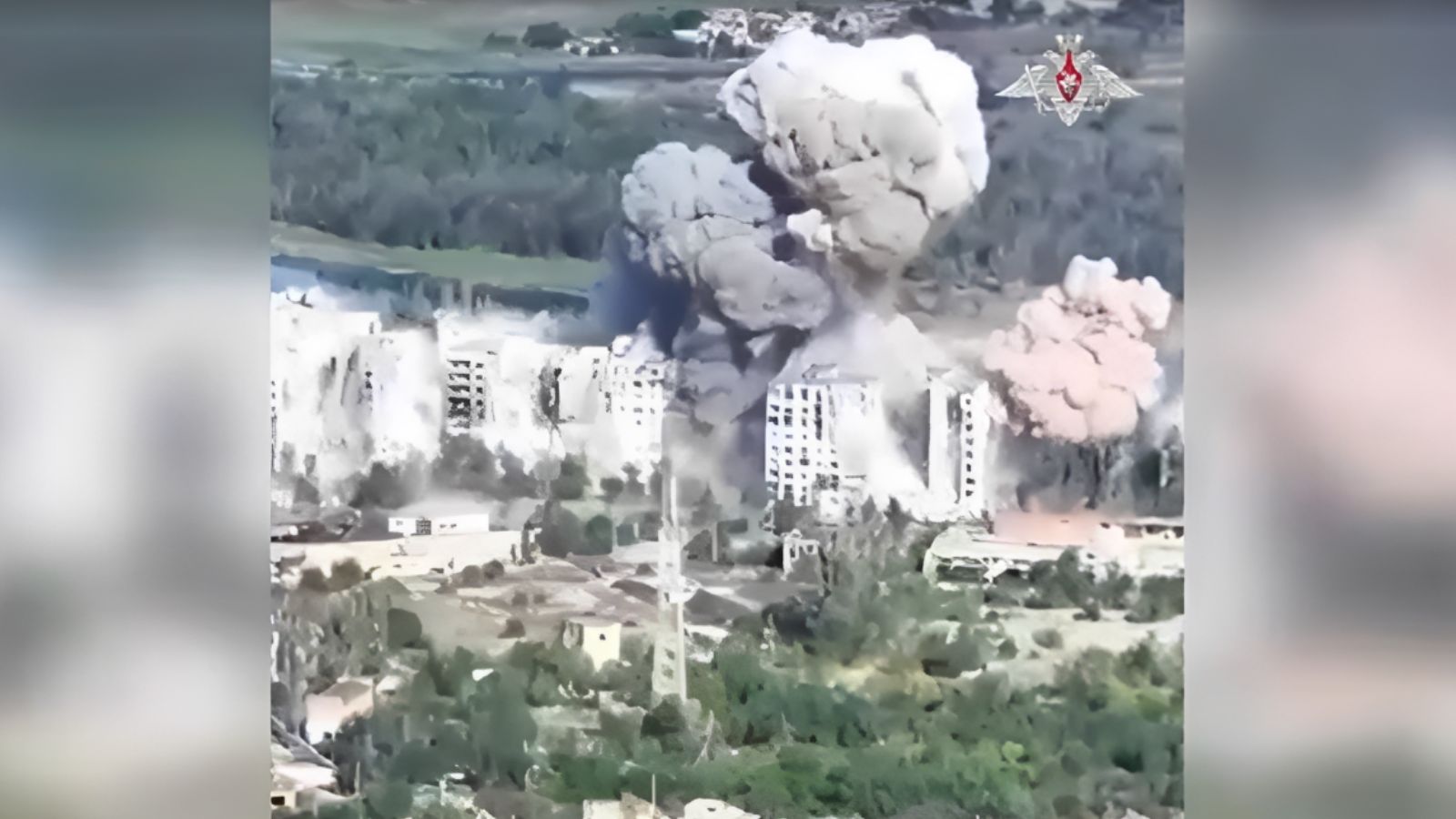
Russia has also faced difficulties maintaining diesel output after Ukrainian attacks on its oil refineries. The International Energy Agency estimated that Russian diesel output had fallen by about 30 per cent, according to the Associated Press. Moscow had restricted diesel exports as it struggled to meet domestic demand, but Russian Deputy Prime Minister Alexander Novak said the country was beginning to lift those restrictions ahead of schedule.
The new arrangement could help Russia sell existing stocks and earn revenue from exports. The scale of that benefit will depend on the volumes delivered, the prices paid and the actual commercial arrangements.
Reaction from Ukraine and US critics
Ukrainian President Volodymyr Zelenskyy warned that the deal could help Moscow prolong its war. He described the decision as weak and argued that Russia would respond with further attacks rather than gratitude.
The announcement came while Trump's envoy Steve Witkoff and son-in-law Jared Kushner were meeting Ukrainian officials in Miami to discuss a proposal to end the war. Zelenskyy questioned whether the Ukrainian team was being used as a smokescreen while Washington negotiated a separate arrangement with Moscow.
The decision also drew criticism from Democratic senators, including Chuck Schumer, Jeanne Shaheen and Elizabeth Warren, who said easing restrictions on Russian diesel sales undermined Ukraine and contradicted the purpose of the sanctions legislation passed by Congress.
Also Read:
Trump's Russian diesel deal: a question of hypocrisy?
Trump's decision creates an apparent contradiction in his Russia policy. The administration can argue that its immediate objective is different: securing fuel supplies and reducing prices for American consumers and businesses. It may also argue that a limited licence for particular diesel shipments is not equivalent to allowing unrestricted trade with Russia.
But that explanation does not eliminate the central question: if buying Russian energy provides Moscow with revenue that can sustain its war, why should the principle apply to India, China and other countries but be treated differently when the United States wants Russian fuel?
For Ukraine, the concern is that additional Russian energy revenue could help sustain the military campaign. For Washington, the stated priority is cheaper fuel at home. The tension between those objectives is at the heart of the controversy.
The political question, however, is already clear: why should other countries face economic pressure for buying Russian energy when Washington is prepared to make its own arrangements with Moscow?
Supporters can argue this is a limited, temporary measure aimed at consumer prices; critics see a double standard. Whether it legally conflicts with the new sanctions law depends on its precise requirements and implementation… but politically, the contrast is difficult to ignore.