

Islamabad: Pakistan has resumed bilateral trade and cross-border movement with Iran after a week-long suspension by opening the Gabd-Rimdan crossing in Balochistan's Gwadar district.
The suspension of bilateral trade had stranded freight vehicles, disrupted supplies and aggravated concerns over Liquified Petroleum Gas (LPG) shortages in Pakistan ahead of winter.
Trade operations resumed on Saturday at the Gabd-Rimdan crossing in Balochistan's Gwadar district, with border officials allowing commercial consignments accompanied by consignment notes dated October 16 or earlier to cross, the Dawn newspaper reported.
Mir Naveed Jan Kalmati, president of the Gwadar Chamber of Commerce and Industry, confirmed that the crossing, also known as Gate 250, has reopened.
"Pakistan has opened the border with Iran at Gabd-Rimdan...and allowed trucks and other vehicles to move toward Iran and Pakistan with import and export goods," Kalmati said.
Welcoming the decision, he said the resumption of cross-border trade would bring immediate relief to traders and transporters stranded on both sides.
Kalmati said the restored supply chain is expected to ease the nationwide LPG shortage and reduce soaring energy and food prices across Pakistan.
The reopening of the border comes days after Pakistan Army chief Field Marshal Asim Munir's visit to Iran, during which he held talks with the Iranian leadership on bilateral relations and regional issues.
The suspension of cross-border trade
Pakistan's commerce ministry had suspended cross-border trade and movement on October 17. Though the ministry did not specify a reason for the decision, the suspension was believed to be linked to security concerns.
The suspension was followed by an attack on freight vehicles stranded near the Gabd-Rimdan crossing. On Thursday, unidentified gunmen targeted the parked trucks, setting dozens ablaze and damaging several others.
The reopening on Saturday followed a review of the security situation by local administrators, who deployed additional forces to protect trade convoys.
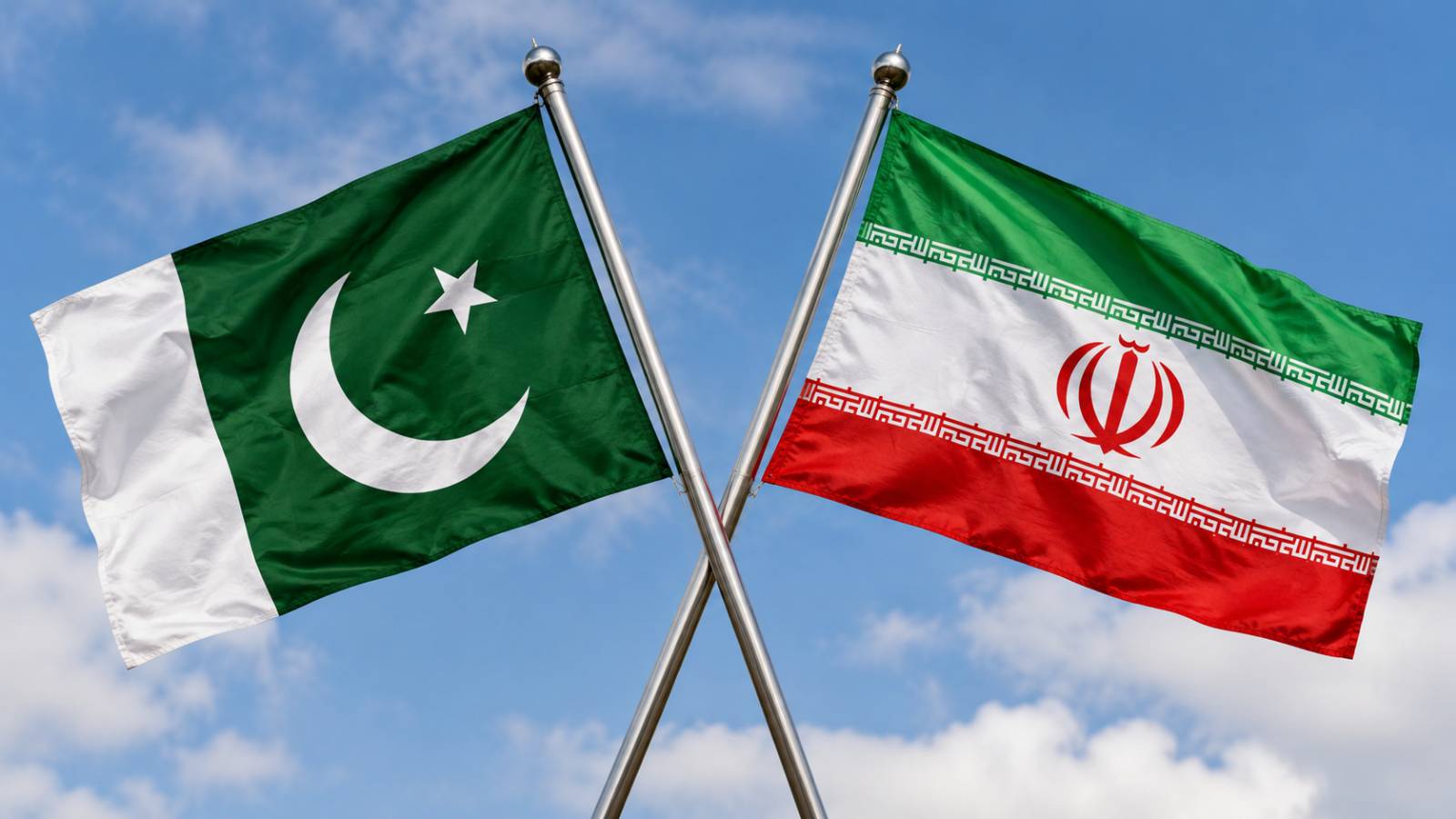
Pakistan and Iran share a 909-km border between Iran's Sistan and Baluchestan province and Pakistan's Balochistan province. The border crossings serve as important routes for bilateral commerce and the movement of goods in the region.
Remarks of Iranian Ambassador to Pakistan
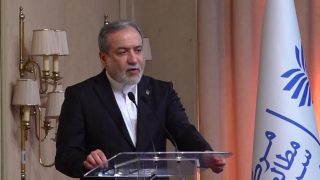
Iran's Ambassador to Pakistan Reza Amiri Moghadam on Sunday said there were no restrictions on the Iranian side on exports to Pakistan, including LPG, and that Iran's borders with all its neighbouring countries remained open.
He said changes in Pakistan's E-Form procedure for imports from Iran had left traders "effectively and literally unable to dispatch cargo from Iran to Pakistan".
Consultations with the Pakistani side were underway to resolve the issue, he said.
Moghadam also said several hundred trucks carrying LPG had crossed the Rimdan border into Gabd on the Pakistani side but had remained there for weeks without being unloaded or cleared, complicating the movement of goods and bilateral trade.
Describing cross-border trade as an integral part of bilateral agreements reached at the highest levels, he said Iran remained committed to facilitating the movement of goods and strengthening economic cooperation with Pakistan.
LPG crisis in Pakistan
Pakistan’s ongoing cooking fuel crisis has also intensified after thousands of LPG retailers shut their outlets in protest against harassment by enforcement agencies and the government’s failure to act against LPG companies and profiteers. The shutdown has left consumers struggling to find gas as the prices of alternative fuels continue to climb, as reported by The Express Tribune.
According to the report, approximately 5,500 to 6,000 LPG shops have closed in Lahore and several other cities, forcing residents to move between outlets with empty cylinders in the hope of securing supplies. The strike follows nearly ten days of exceptionally high LPG prices, further squeezing households already grappling with rising living costs. Dealers maintain that they are being penalised for a pricing crisis beyond their control.
(With inputs from PTI & ANI)