


Espionage has long been associated with undercover agents, secret meetings, false identities and the theft of classified government documents. Intelligence gathering traditionally relied on trained operatives working discreetly, often through diplomatic missions or within institutions handling sensitive information.
While traditional methods of espionage remain relevant, the nature of intelligence gathering is evolving, with new players, technologies and networks reshaping how sensitive information is collected and shared.
A Chinese businesswoman linked to Nvidia's chief executive has come under scrutiny over alleged connections to Chinese intelligence. Germany has arrested August Hanning, former head of its foreign intelligence service, over suspected treasonous espionage.
In the United States, the FBI arrested Wanying Zhang, also known as Heather, accusing her of conducting surveillance on Taiwan president Lai Ching-te's family for China; meanwhile, a man was arrested in Cyprus over alleged spying on a UK air force base on the Mediterranean island for Iran.
In another case, Russia detained a Japanese journalist, who is identified by Russia’s Foreign Ministry as Yuki Imai, on suspicion of espionage, prompting Tokyo to reject the allegations.
On the surface, these incidents look completely unrelated. However, together they raise a question about the changing nature of intelligence operations: Does a country still need a traditional spy when valuable information can be obtained through businesses, digital platforms, and people outside intelligence agencies?
Old tradecraft, new tools
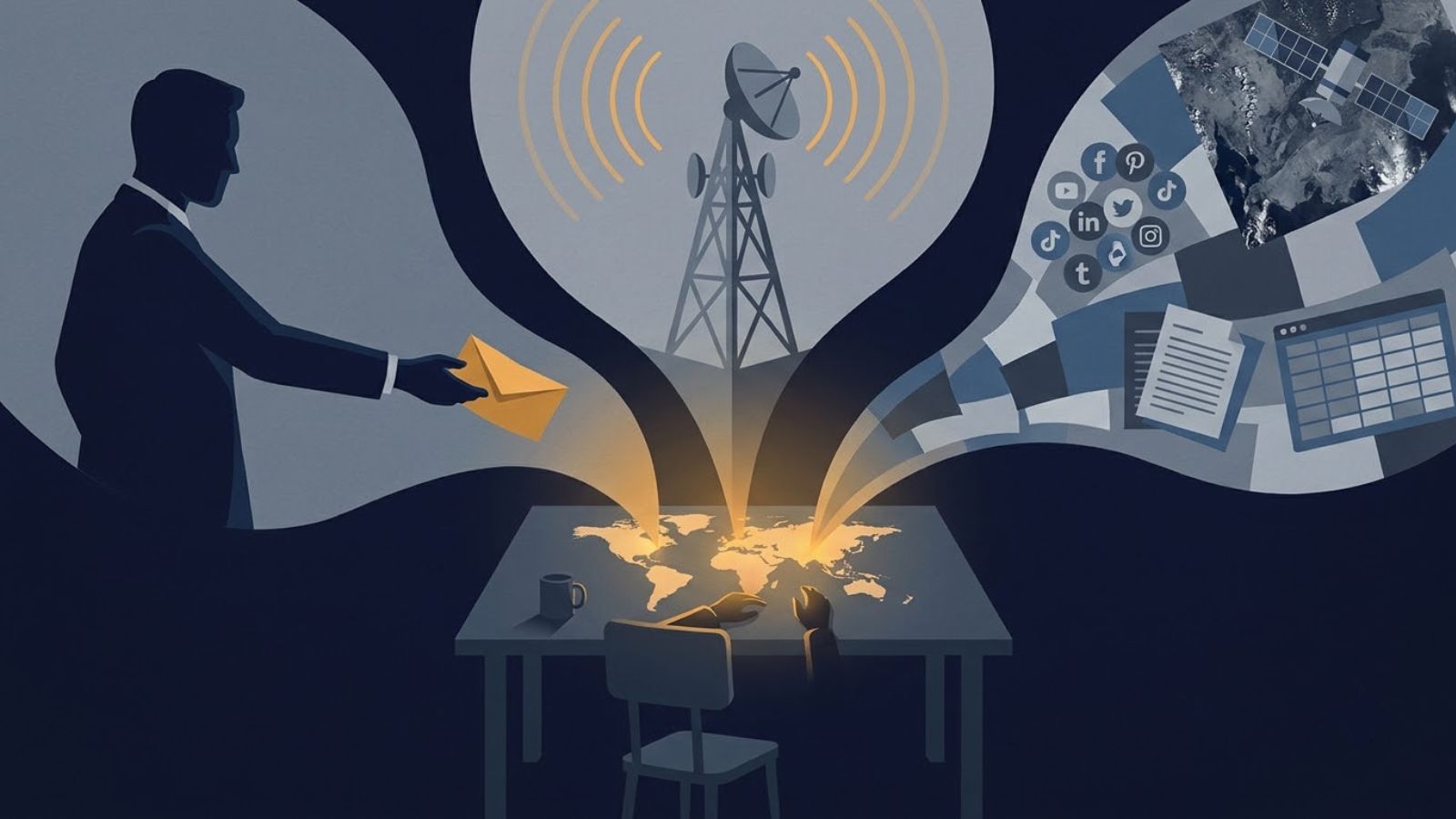
Espionage has never been only about undercover agents; it has always relied on more than that. Governments have used informants, diplomatic contacts, recruited insiders, and intercepted communications to obtain information about other governments. Nevertheless, the scale of the available information and the ways in which it can be collected have changed drastically.
Human intelligence or HUMINT, was one of the prominent intelligence collection sources or ‘INTs’ in the past, and it remains an important part of intelligence work. It involves obtaining information from people, including sources recruited because of their access to sensitive material. Signals intelligence, or SIGINT, involves collecting and analysing communications and electronic signals. Open-source intelligence, known as OSINT, draws on information that is publicly accessible, including social media posts, satellite images, company records, and online databases.
Even though they are distinct methods, they increasingly operate alongside one another. A photograph posted online may reveal the location of a military installation. Public company filings can provide insight into business relationships and supply chains. Satellite images can help analysts track activity at facilities that would otherwise be difficult to monitor.
The expansion of digital information has therefore created a wider intelligence environment.
Where business meets national security
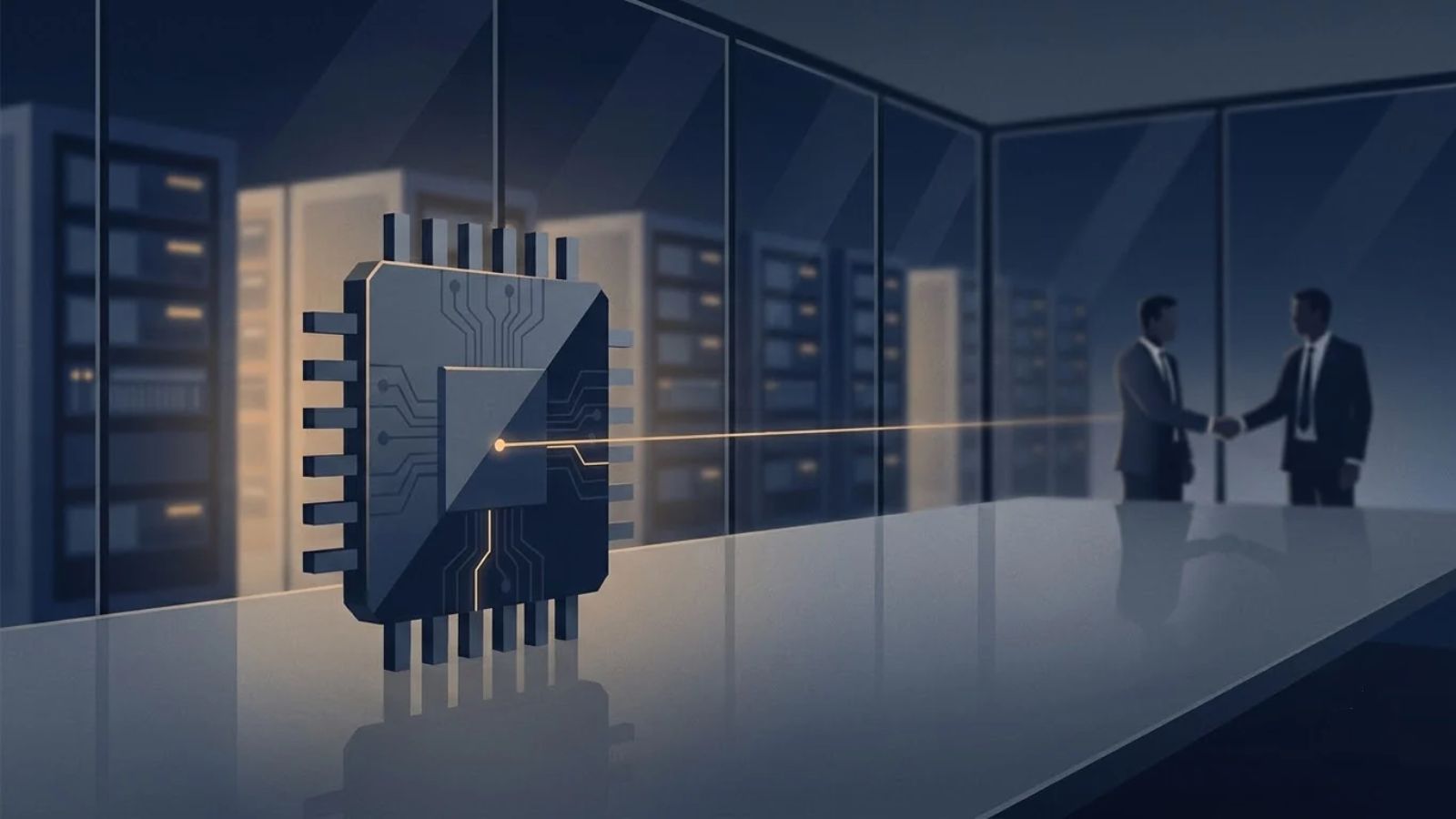
Rapid developments in technology and the growing importance of technology companies have added another dimension to the intelligence landscape. Semiconductor manufacturers, artificial intelligence developers, and data infrastructure providers operate in sectors that have become central to economic and national security.
The recent controversy involving Nvidia illustrates this intersection. A New York Times report said US intelligence agencies had identified Megaspeed executive Alice Huang as an alleged Chinese intelligence asset with links to Nvidia chief executive Jensen Huang. But Nvidia has denied sharing sensitive information with Megaspeed.
The allegations have drawn attention to the strategic importance of commercial relationships in the technology sector. Advanced semiconductors are essential to artificial intelligence, high-performance computing, and several military applications. Access to technical knowledge, business networks, and supply-chain information can therefore carry implications beyond ordinary commercial competition.
However, this does not imply that every business relationship involving a foreign company is suspicious. International technology partnerships and cross-border trade are routine parts of the global economy. The concern mainly arises when access to commercial networks or sensitive information is allegedly used for intelligence purposes.
The relationship between private companies and national security also works in the opposite direction, where governments increasingly depend on commercial providers for information and technology.
A September 2026 report from the US Office of the Director of National Intelligence examined the intelligence community's access to, collection, and processing of commercially available information, and it also addressed safeguards for sensitive information obtained through commercial channels.
The US Government Accountability Office, in a report published in August 2026, found that the Department of Defence uses data and services from commercial space companies to support national security operations. These include satellite imagery and other information about activities on Earth and in space.
What’s worth noting here is the distinction: businesses can be potential targets of intelligence collection, but they can also be suppliers of information used by governments.
Cheap, deniable and untrained: the civilian proxy

If the trained and dedicated spies or undercover agents were the highlight of the older era of espionage, the latest developments show a growing use of people outside formal intelligence agencies. Some may be approached because of their access to sensitive workplaces, while others may be recruited to carry out surveillance, collect photographs, or obtain information about military facilities.
The case of a Ukrainian spy arrested in Germany illustrates this best. In October, German authorities arrested a Ukrainian national, identified as Vadym Y., on suspicion of gathering military-related information for Russian intelligence. Prosecutors alleged that he used contacts in the European defence industry to obtain details about armoured vehicle and ammunition production, as well as military personnel and facilities linked to NATO's eastern flank.
In another case, British police accused Rashad Sultanov, a UK-Azerbaijani national, of conducting surveillance on RAF Akrotiri in Cyprus and sharing information with Iran's Islamic Revolutionary Guard Corps.
These cases reflect a trend highlighted in an August 2026 analysis by the International Institute for Strategic Studies (IISS), ‘The Intelligence-Operative Gig Economy: From Surveillance to Sabotage’. Researcher Tom Field describes how intelligence services are increasingly recruiting civilian proxies remotely, sometimes via online platforms and messaging apps.
Such individuals can include people with little or no professional intelligence training. They might be paid to photograph sites, keep tabs on people, or perform other tasks. The IISS analysis says relying on proxies can lower the costs and risks of using trained intelligence officers, while making it harder to link an operation directly to the state behind it.
The arrangement also has drawbacks. Inexperienced recruits may misunderstand instructions, expose an operation or carry out actions beyond what their handlers intended. The IISS warns that the growing use of such intermediaries can create security risks that are difficult for authorities to manage.
The involvement of ordinary individuals is not limited to military sites. Wanying Zhang's arrest in the US in October, over allegations that she acted as an unregistered agent for China, is an example of this. The agency accused her of surveilling the son of Taiwan President Lai Ching-te and sending photographs, videos, and vehicle registration details to Chinese officials. Taiwan's presidential office described the alleged activity as transnational repression. The case illustrates how surveillance of individuals and their families can become part of wider geopolitical disputes.
Reporter or spy? The line gets thinner

The growing availability of information also creates difficult questions about where legitimate research ends and intelligence gathering begins.
The detention of Japanese journalist Yuki Imai in Russia brings this issue into focus. Russian security services accused the Hokkaido Shimbun reporter of collecting information about the country's military capabilities in the Sakhalin region. Japan denied the espionage allegations, with Prime Minister Sanae Takaichi saying there was no truth to the claim.
The case prompts concern about the risks journalists encounter in countries where diplomatic relations are strained and national security restrictions are tightly enforced. It similarly draws attention to the danger of treating information gathering as proof of espionage without examining the circumstances, purpose, and methods involved.
Journalism and intelligence work can sometimes involve gathering similar information. Reporters may investigate military activity, speak to local sources, photograph public facilities, or examine official records. Intelligence agencies may also find such information useful. But the overlap does not make the activities equivalent.
The distinction matters because accusations of espionage can carry serious consequences, including detention and prosecution. Governments have a legitimate interest in guarding sensitive information, but that interest must be balanced against journalists’ rights and the freedom to report.
The European Liberal Forum’s February 2026 policy paper, 'A New Age of Espionage and Intimidation', examines another dimension of this problem: digital transnational repression. It describes how governments can deploy surveillance technologies, including commercial spyware, to monitor and intimidate critics living beyond their borders.
The targets may include journalists, activists, and members of diaspora communities. In such cases, technology can allow surveillance to continue without the physical presence of an intelligence officer.
The data governments buy
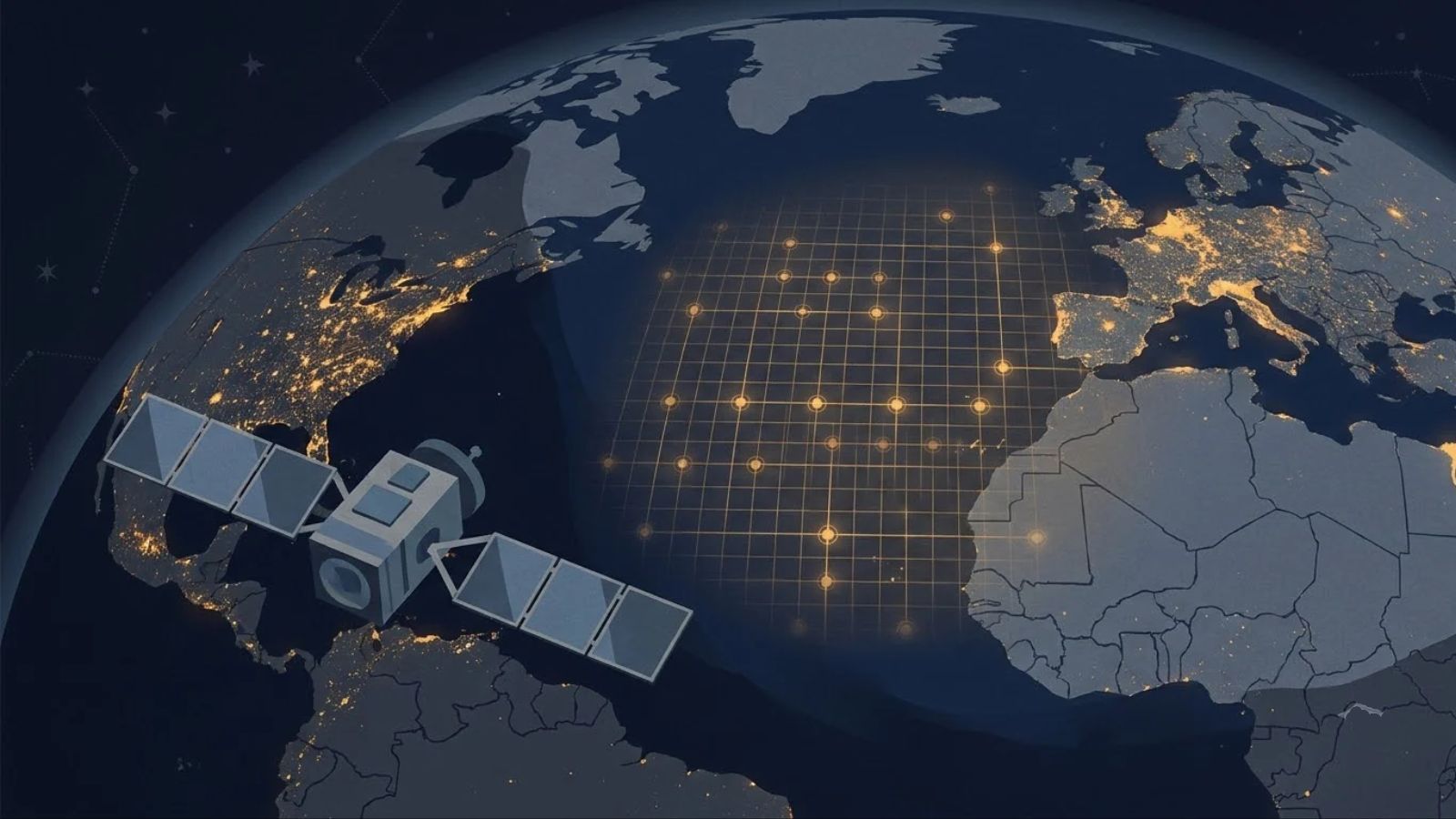
The expansion of intelligence gathering is also changing the value attached to information that people and businesses generate in their daily activities.
Location records, online behaviour, satellite images and commercially collected data can show patterns that may not be obvious when examined separately. When analysed together, they can give insights into people's movements, organisational relationships and activity around sensitive locations.
Governments are already recognising the importance of this information. In September 2026, the US Office of the Director of National Intelligence released its first public report under a framework regulating the intelligence community's access to and use of commercially available information. The framework also addresses sensitive information and the need for safeguards.
The US Government Accountability Office has separately examined the military's reliance on commercial space-sector data. Its August 2026 report found that the Department of Defence uses services provided by private companies, including satellite imagery and other data, to support national security missions.
The report said the US Space Force's Joint Commercial Operations Cell spent $76.8 million on data and related services through a commercial marketplace between January 2023 and September 2025.
This shows an important shift. Private companies are not simply potential targets of intelligence operations. They are also becoming providers of information and technology that governments use for security and surveillance purposes.
Artificial intelligence could further expand these capabilities by helping analysts process large volumes of information and identify connections that might otherwise remain unnoticed. Satellite imagery, digital records and publicly accessible material can be examined at a scale that would be difficult to manage manually.
However, the growing availability of information also prompts questions about privacy, consent, and oversight. Data collected for commercial purposes can have uses far removed from those originally intended. Without clear safeguards, the same tools that help governments identify security threats could also enable intrusive monitoring of individuals.
So who counts as a spy now?
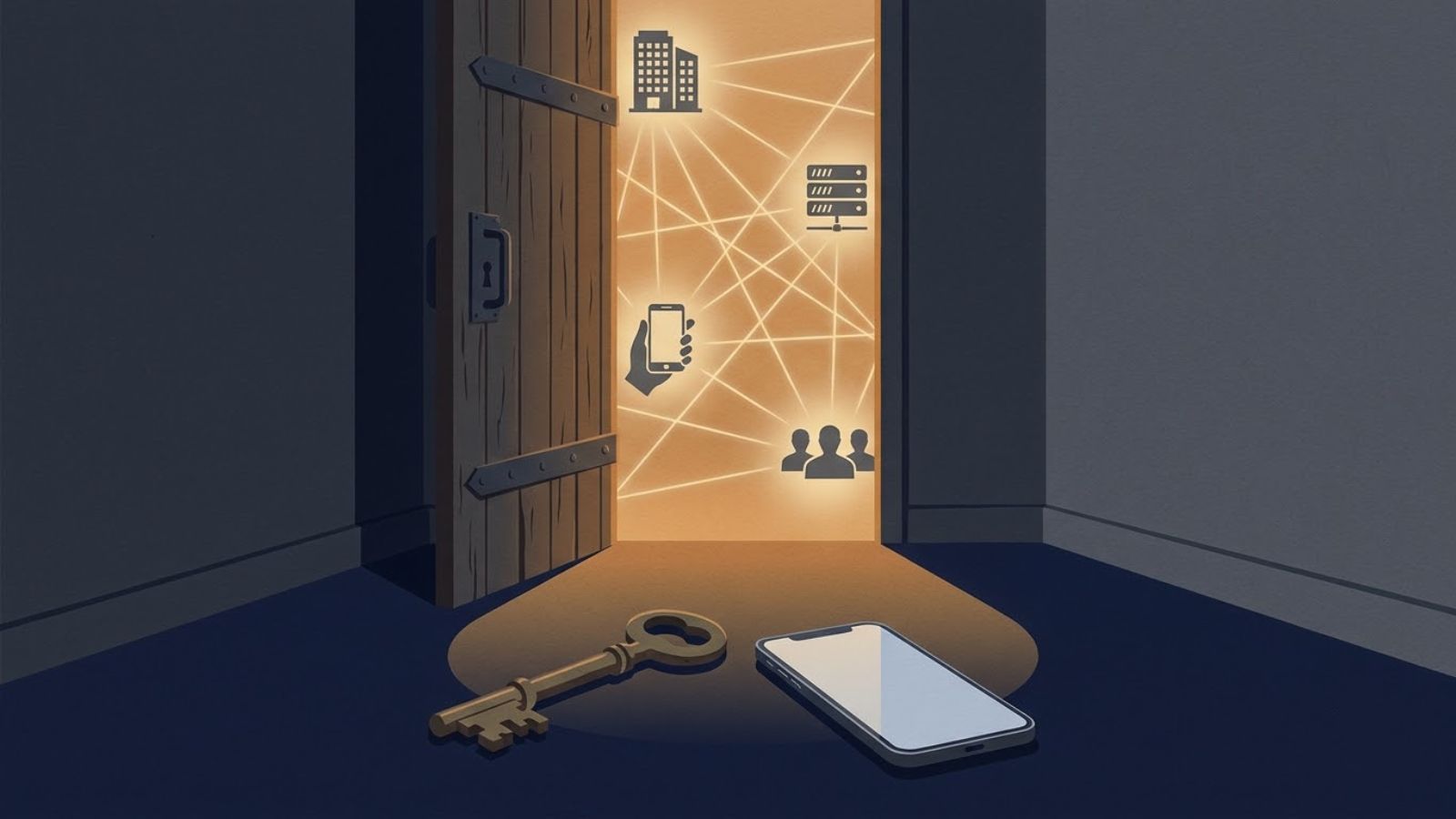
The changing methods of intelligence gathering have not diminished the importance of traditional state espionage. Governments still recruit sources, protect classified information and keep watch on rival countries.
As reported by ANI, the US President Donald Trump acknowledged this ongoing competition during a campaign rally in Iowa on November 1, saying Washington also conducts intelligence operations against China and Russia. He claimed the United States carried out those operations more effectively than its rivals. His remarks brought a usually secretive facet of international relations into public political discussion, though he offered no independent evidence to support his claim.
The recent cases show how intelligence activity can involve people from very different walks of life: a former intelligence chief with access to classified documents, someone with links to the defence industry, a person accused of surveilling a political leader’s family, or a business executive whose professional relationships have drawn the attention of intelligence agencies.
These cases do not mean that every business, journalist or private individual is a potential spy. Nor do they suggest that trained professionals are disappearing from intelligence work. Rather, they point to a broader network of people, technologies and commercial connections that can matter to national security.
The traditional spy may still operate behind closed doors. But governments increasingly find the information they seek beyond them: in corporate networks, digital records, commercial databases, and the people with access to them.