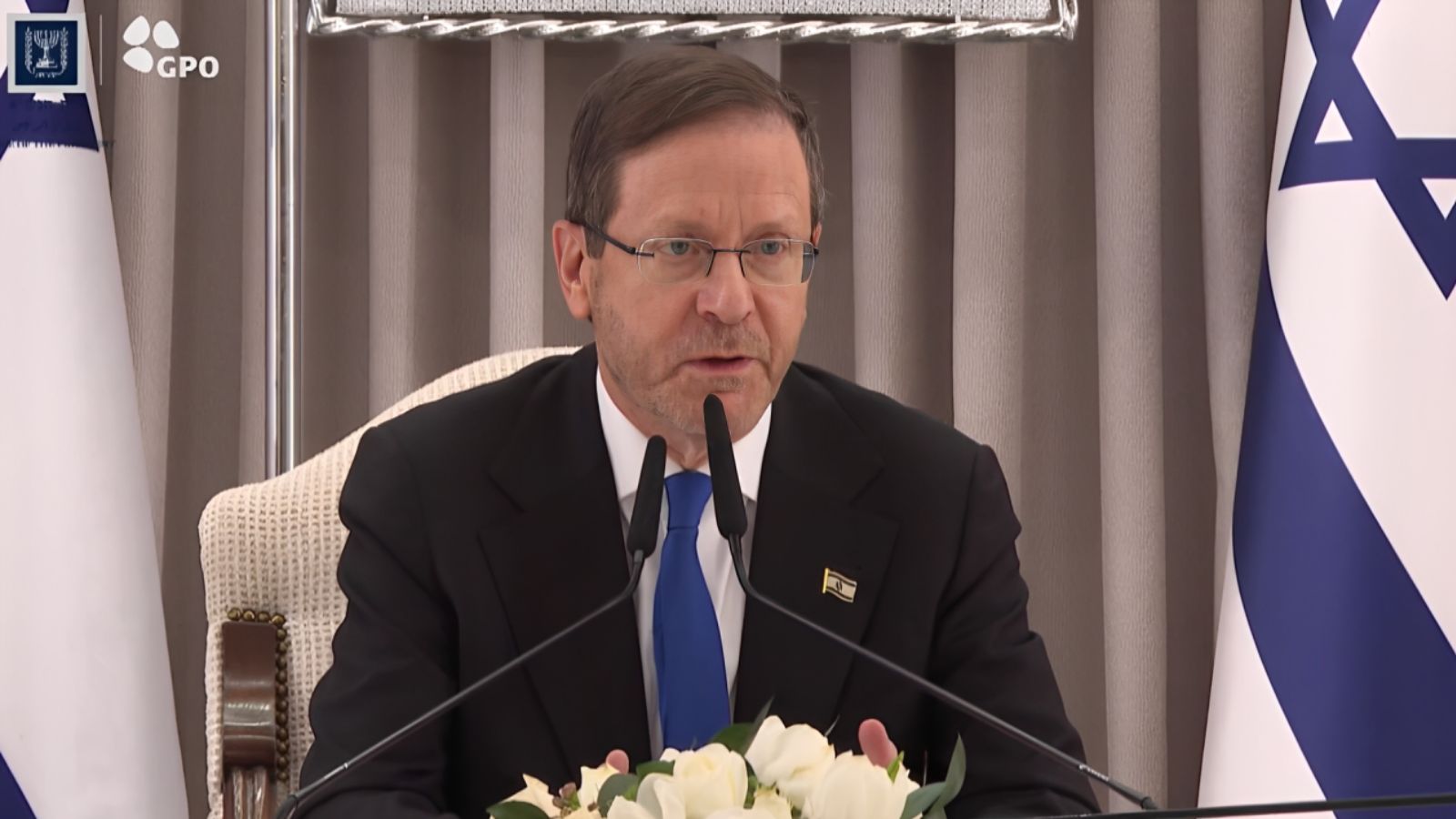


Jerusalem: Israeli President Isaac Herzog has said it remains unclear who has the ability to form the country's next government following two days of consultations with leaders of all parties elected to the Knesset, the Israeli parliament. He said he would announce on Sunday whom he would task with forming the government.
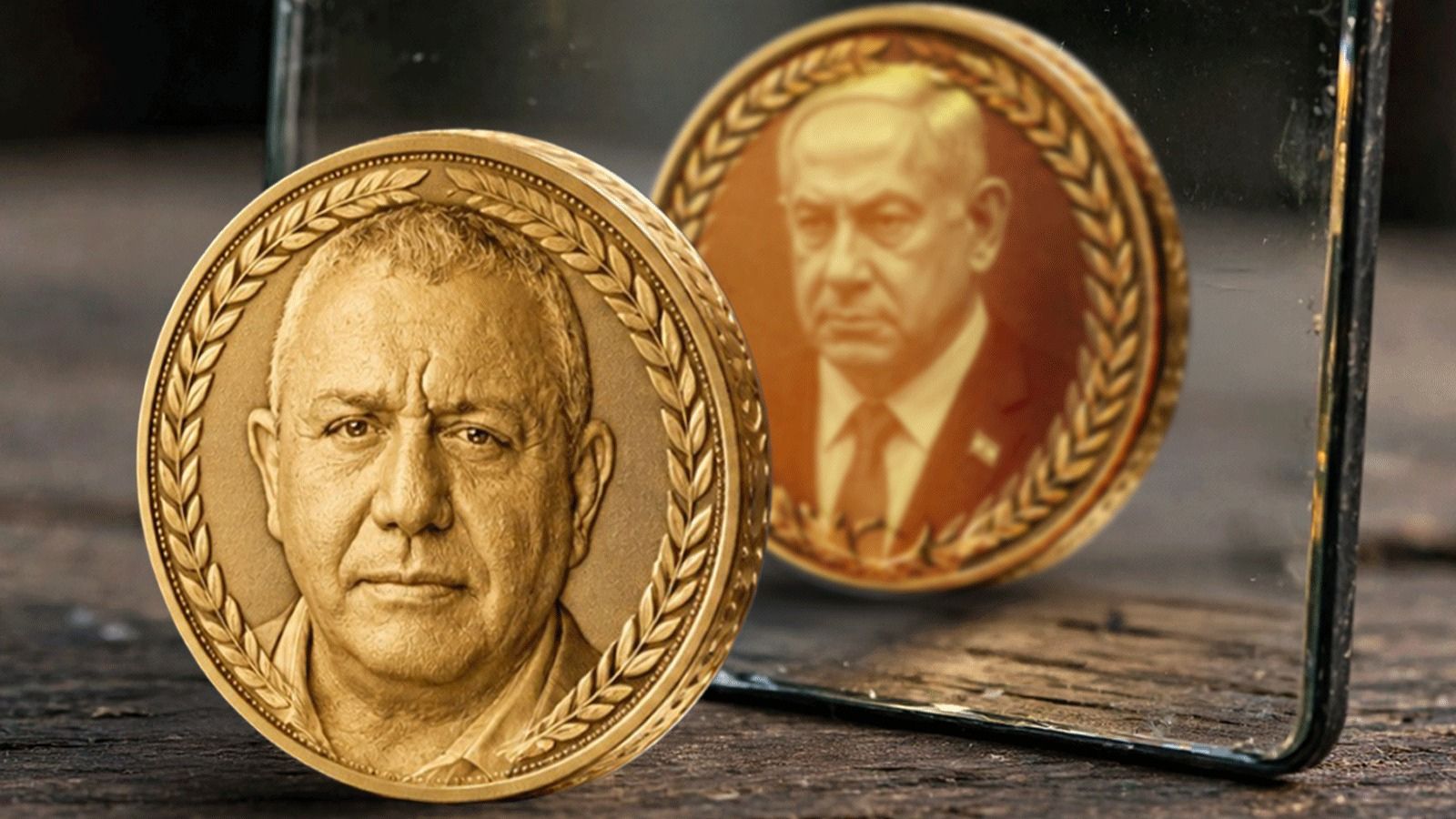
At the end of the consultations on Thursday, Herzog said representatives of factions with a combined strength of 67 lawmakers had recommended Gadi Eisenkot, leader of the Yashar! party, while factions representing 46 lawmakers had backed incumbent Prime Minister and Likud leader Benjamin Netanyahu.
However, he said the recommendations did not resolve the question of who could secure a stable governing coalition, given the mutual vetoes between and within the political blocs.
"The results of the consultations may appear clear, but the authority vested in me by law is to determine who has the ability to form a government, and that is not entirely clear, given the mutual vetoes between the blocs and within the blocs themselves," Herzog said.
Also Read:
He described the discussions with representatives of all factions as open, candid and probing, adding that he had asked difficult questions to encourage parties and the public to consider alternatives.
The president said he would hold further personal discussions with some party leaders before making his decision.
"I will try to determine this directly and quickly, in personal talks with some of the party leaders. In these talks, I intend to leave no stone unturned in an effort to reach out and build a stable and good government for the people of Israel," he said.
The decision to wait until Sunday is notable because, by precedent, the candidate receiving the most recommendations is generally asked by the president to form a government.
Election results and coalition deadlock
The bloc led by Netanyahu won 53 seats in the 120-member Knesset in the 27 October election. The anti-Netanyahu alliance, also known as the change bloc, secured 48 seats, while Arab parties won the remaining 19.
United Torah Judaism, which is part of Netanyahu's bloc, chose not to recommend him, leaving him with the backing of factions representing 46 lawmakers. The Arab parties recommended Eisenkot, saying their objective was to remove Netanyahu from power.
Despite the recommendations, both major blocs have shown reluctance to form an alliance with the Arab parties. Most parties in the two blocs, with the exception of the Democrats, have indicated opposition to including them in a government.
Also Read:

A key point of contention is the Arab parties' reluctance to declare Hamas a terrorist organisation, a position described in the supplied account as unacceptable to the majority of the Jewish population following the 7 October 2023 attacks.
Earlier on Thursday, Ra'am leader Mansour Abbas reiterated his support for a two-state solution and US President Donald Trump's Gaza plan after recommending Eisenkot.
Abbas called for "Hamas and all the military or armed organisations to be disarmed", but stopped short of describing Hamas as a terrorist organisation.
Herzog is expected to announce on Sunday which member of the Knesset will be given the opportunity to form the next government.