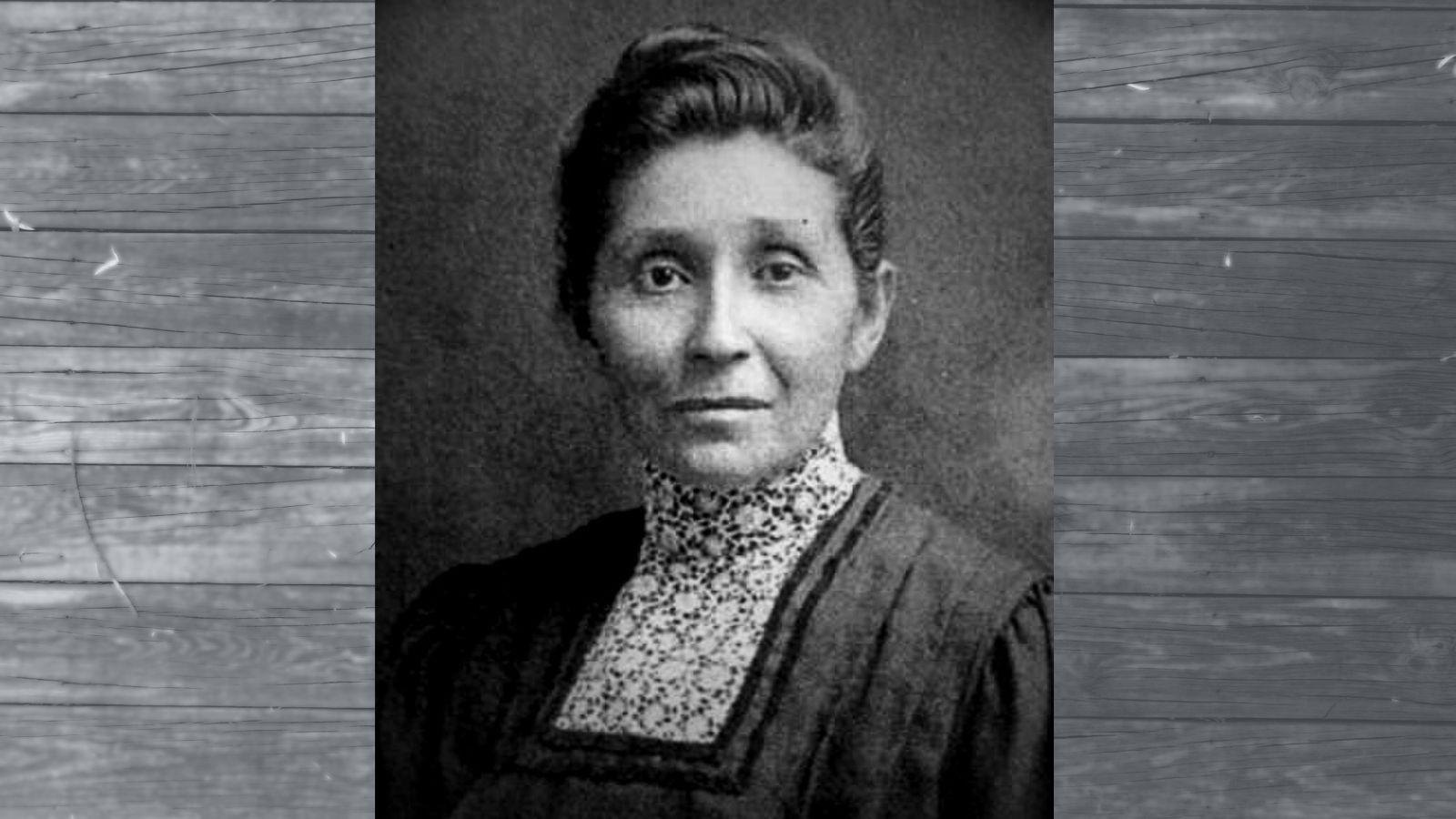


Imagine an eight-year-old girl having to witness someone dying right in front of her eyes… all because a doctor hesitated to give medical assistance. Even after repeated promises to provide help, the doctor didn’t turn up to treat the patient because she was a Native American woman and the doctor was white. This one incident, along with her younger brother Francis’s death as an infant, made Susan La Flesche Picotte pursue medicine.
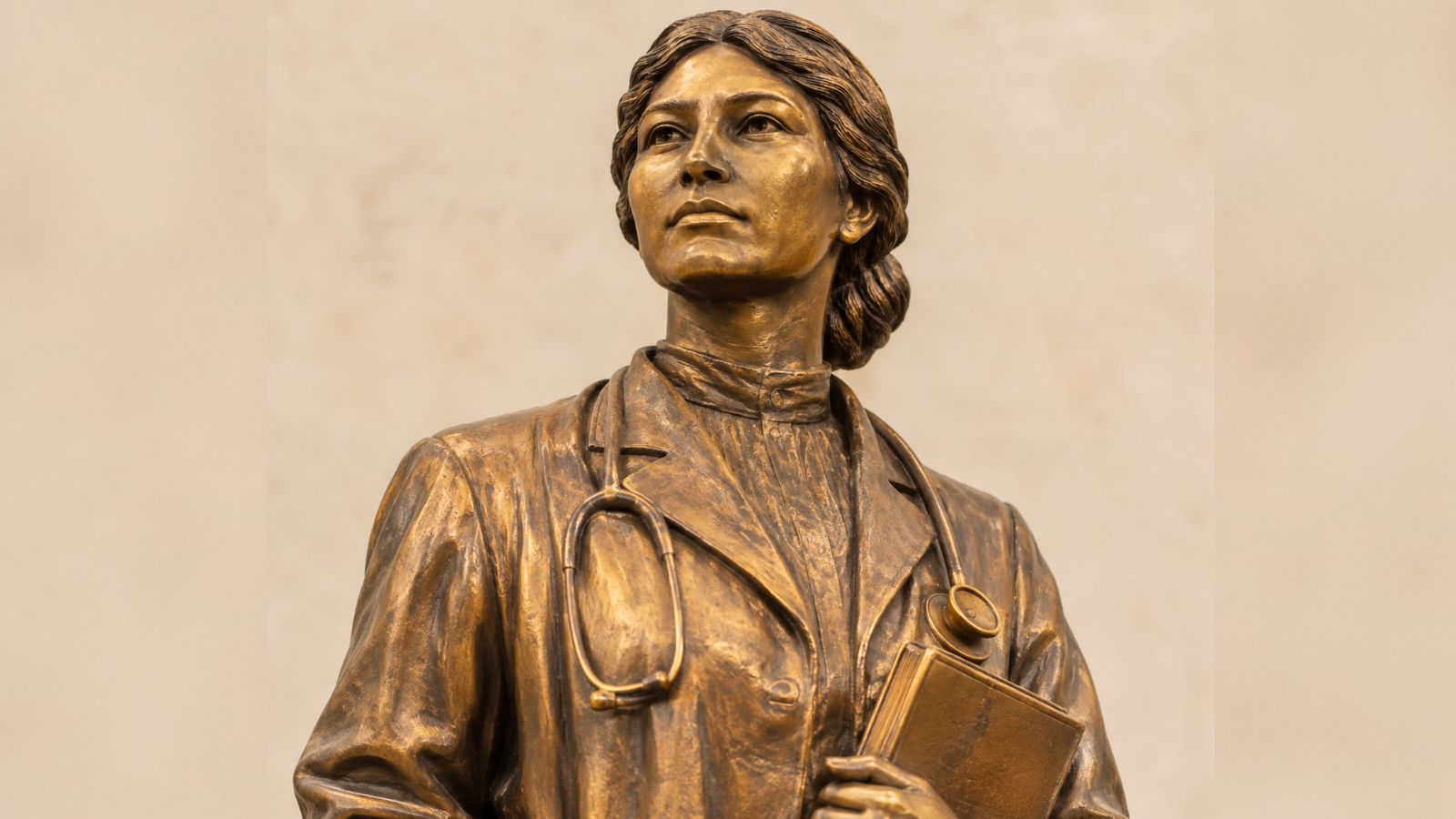
As America witnessed a series of historical changes in the 2026 midterm elections, with many women breaking barriers to enter top governance positions, Keisha Lance Bottoms was elected as the first Black woman governor, Deb Haaland was elected as the first Native American woman governor, Peggy Flanagan became the first Native American to be elected to the US Senate, Gina Hinojosa became Texas’ first Latina governor, and so on. In this edition of ‘It Was A She’, let's get to know America’s first Native American woman doctor, Dr Susan La Flesche Picotte. La Flesche became a doctor at a time when women faced significant barriers not only to pursuing medical education but also to accessing healthcare. Yet, her life and legacy extended far beyond her achievements in medicine.
A doctor who was always present
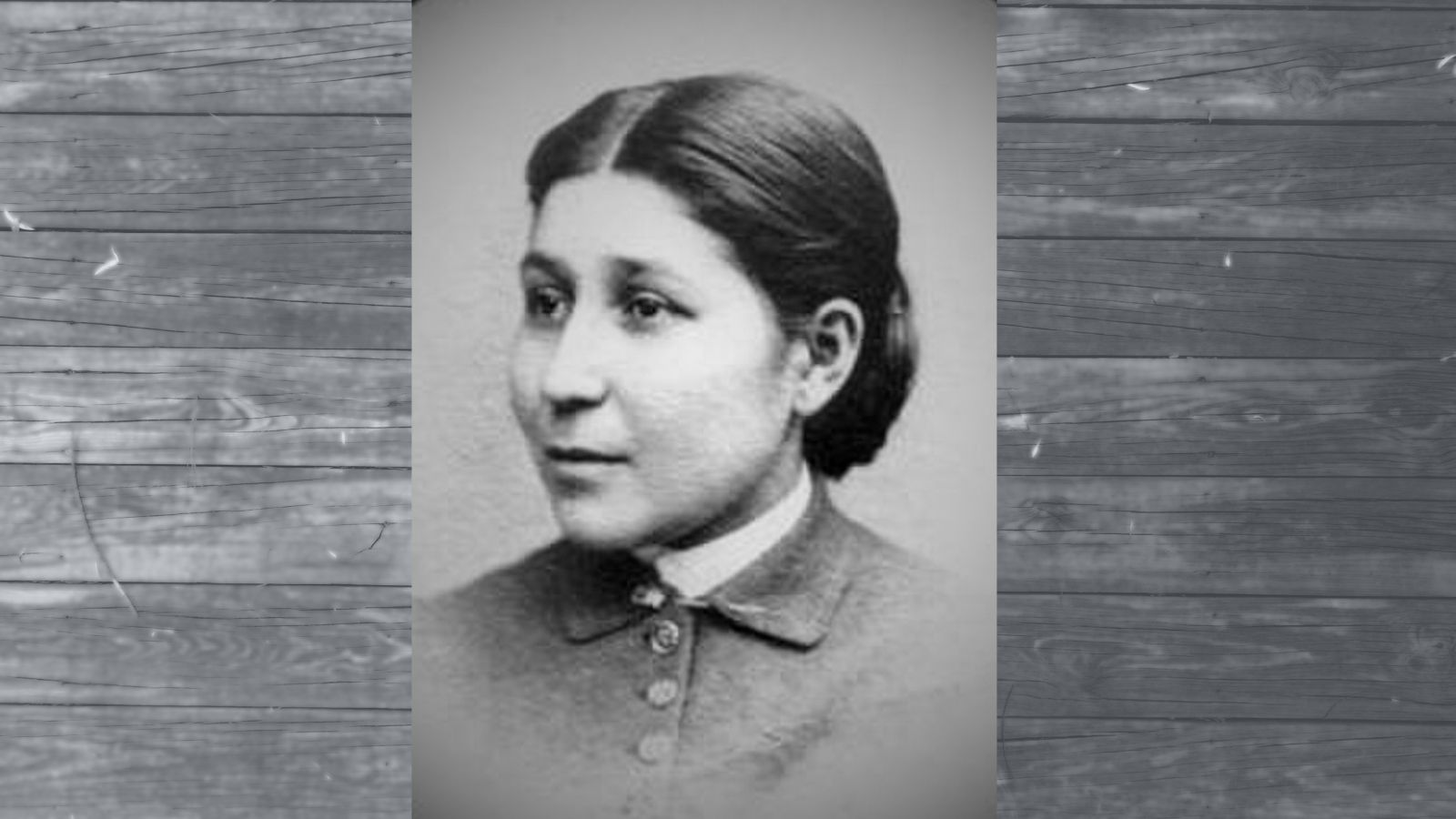
Born in 1865, La Flesche was the youngest of four girls. With encouragement from her father, Joseph La Flesche, she continued her education beyond the reservation of her tribe, the Omaha. She first studied at Virginia’s Hampton Institute before joining the Women’s Medical College of Pennsylvania in 1886. She was then supported by the Connecticut Indian Association and a couple of others until receiving her medical degree.
She completed the three-year programme in just two years, graduating at the top of her class and making history. Her achievement was particularly significant at a time when Omaha women traditionally served as healers, yet few medical schools in the 19th century admitted women to study medicine.
After studying, La Flesche chose to return to her Omaha community and serve them. She was appointed as the government physician, with more than 1,200 people in various regions under her supervision. She commuted on foot, rode a horse, or took a buggy to treat people who were in need at all hours, often working up to 20-hour days. During her early years of medical practice, La Flesche continued treating patients through winter influenza outbreaks, often working in temperatures as low as minus 15 to minus 20 degrees. Despite her dedication, she earned significantly less than her white counterparts, who were paid nearly ten times her wages.
Rather than just treating patients, she got involved in teaching people about hygiene, food safety, and proper sanitation; she also raised awareness of various diseases like tuberculosis, which was a talking point during those times. All these efforts were made because she knew that better health could be practised only by an informed community. For this, her prior teaching experience came to her aid.
La Flesche was also one of the prominent names to speak against alcoholism and educate others about ‘temperance’, a movement in the US against alcoholism, as many in the Omaha community were badly affected by alcoholism. In 1906, she even led a delegation to Washington DC to lobby for a ban on the sale of alcohol there. This evolved from her witnessing alcoholism leading to poverty, illness and family imbalance.
She was also a prominent figure in advocating for the Omaha people’s rights regarding tribal land rights and in getting government aid on time. Her major fight was against tuberculosis, which killed many in her community, including her husband. After the death of her husband, she had to fight for land inheritance for their sons. La Flesche also fought against the land fraud committees, which were mainly composed of men.
Setting up the first private hospital
Upon witnessing the racism and related ill-treatment her community received from the existing medical structure, La Flesche always wanted to set up a hospital on her own. She worked tirelessly to fund the project, and in 1913, she opened a hospital in Walthill, Nebraska. Her hospital was privately funded by the Native American reservation, and it opened to all in need, regardless of their socioeconomic status.
La Flesche passed away on September 18, 1915, at the age of 50 after a series of health issues. Despite her death, the hospital continued serving the needy for decades. Years later, the hospital was renamed Dr Susan La Flesche Picotte Memorial Hospital and recognised as a historic landmark of national importance. The hospital was named one of the 11 most endangered places of 2018 by the National Trust. It also works as a museum dedicated to her and the history of the Omaha and Winnebago tribal communities.
The American Academy of Arts and Sciences also tagged her as a Legacy Recognition Honouree.
From being a helpless girl who had to witness death to saving many, Dr Susan La Flesche Picotte’s life is worth remembering and passing on.