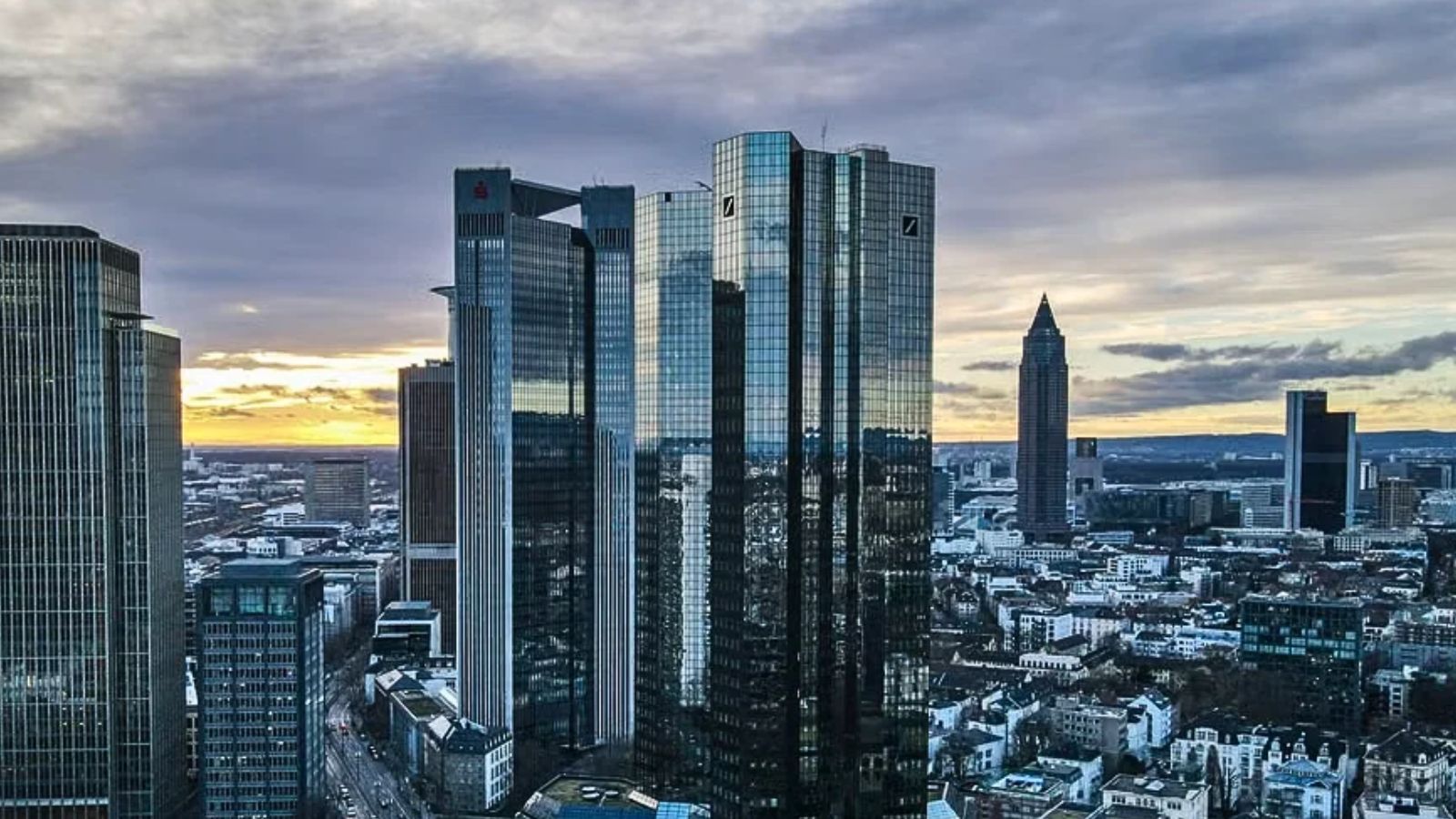


Germany’s biggest lender, Deutsche Bank, is in hot water after a leak of 15 million internal files revived questions about its former clients. Its German-listed shares fell about 4 per cent on Tuesday. On Wednesday, Hesse’s data protection commissioner, where the bank is headquartered, launched an investigation.
The leak behind the headlines
Two anonymous whistleblowers leaked millions of Deutsche Bank emails, meeting minutes, and internal reports. According to Al Jazeera, Indian journalist Josy Joseph and South African journalist Khadija Sharife obtained the records and shared them with around 50 news organisations. A consortium of more than 200 journalists then analysed the material, and outlets including Der Spiegel, the Financial Times and Le Monde published findings. Al Jazeera reports that the whistleblowers told the media groups they believed the bank was engaged in criminal activity and that releasing the documents was in the public interest.
The Oligarch problem
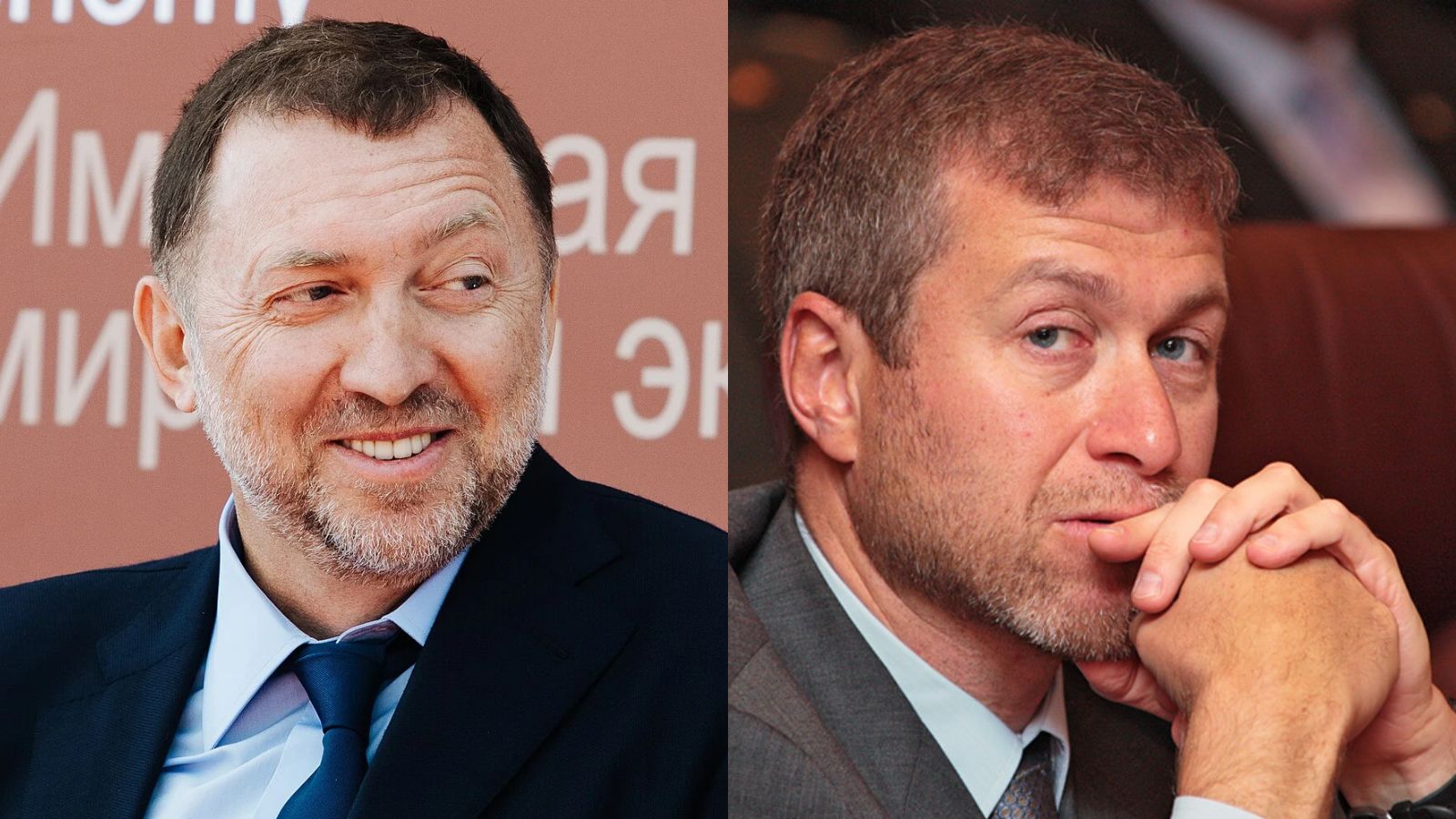
The New York Times (NYT) reports that internal risk reports repeatedly warned about Russian clients such as aluminium tycoon Oleg Deripaska and billionaire Roman Abramovich, but revenue arguments prevailed. Of the seven industrialists sanctioned by the Trump administration in 2018, five were bank clients, including Deripaska. In leaked meeting minutes, an adviser was said to have questioned keeping oligarchs as clients even as the risk increased.
A 2020 internal review also listed 17 Deutsche Bank clients on the US Treasury Department’s ‘Kremlin list’.
The NYT says the bank announced its Russian wind-down in March 2022, a day after JPMorgan and Goldman Sachs announced their own exits. The bank told the NYT it acted lawfully and never helped clients evade sanctions.
The Epstein payments
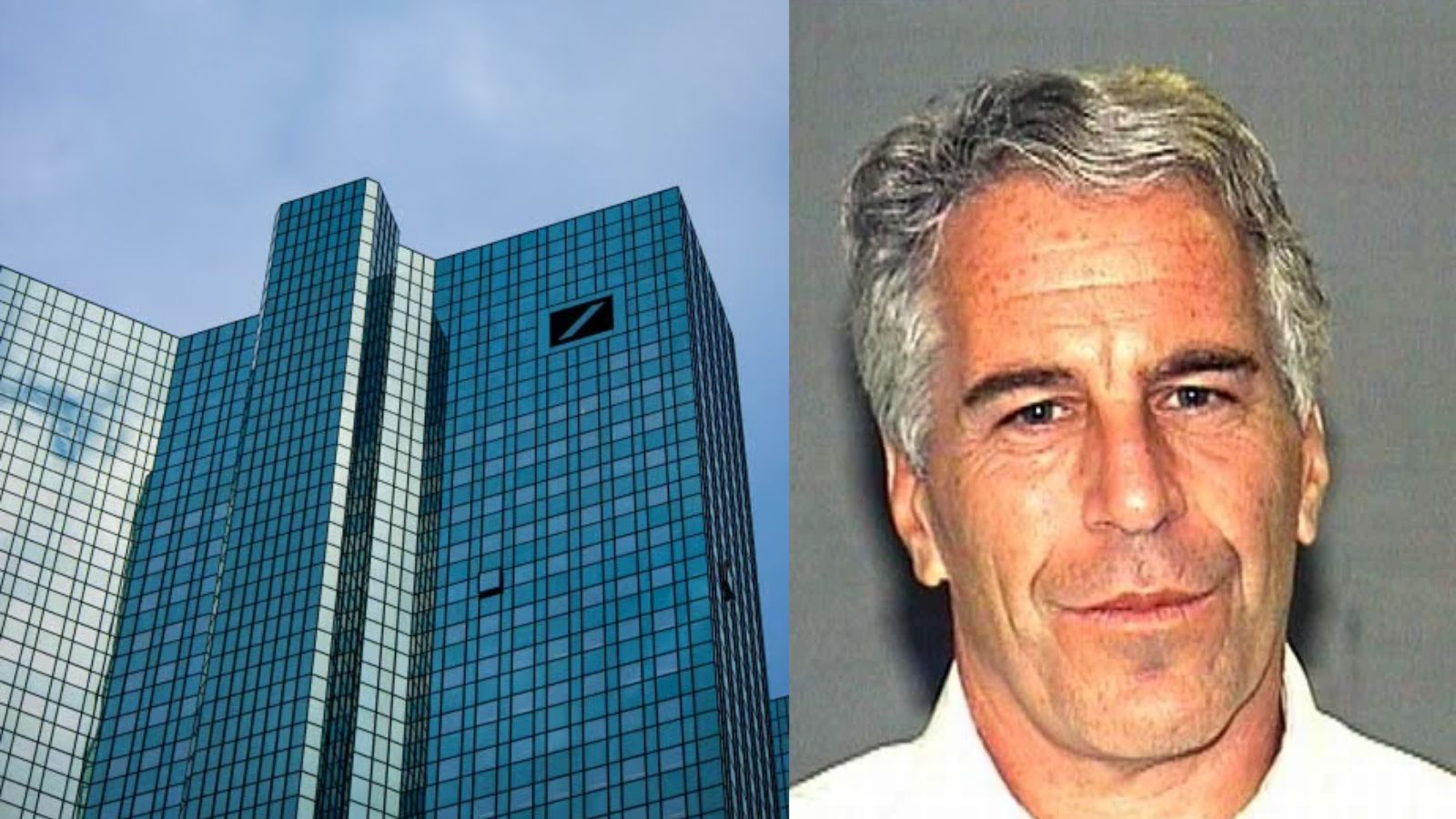
The recent leaks are making headlines because of the bank’s connection to Epstein. The Financial Times reported $582 million in suspicious payments linked to Epstein, far more than was previously known, according to CNBC. CNBC adds that suspicious payments are not, by themselves, proof that every transaction was criminal.
Meanwhile, the bank told The Guardian that it regrets its historical relationship with Epstein. These recent leaks have reignited attention on the bank’s connection to Epstein, even though it has already paid more than $200 million in fines and settlements over its handling of Epstein-related finances.
The Trump mentions
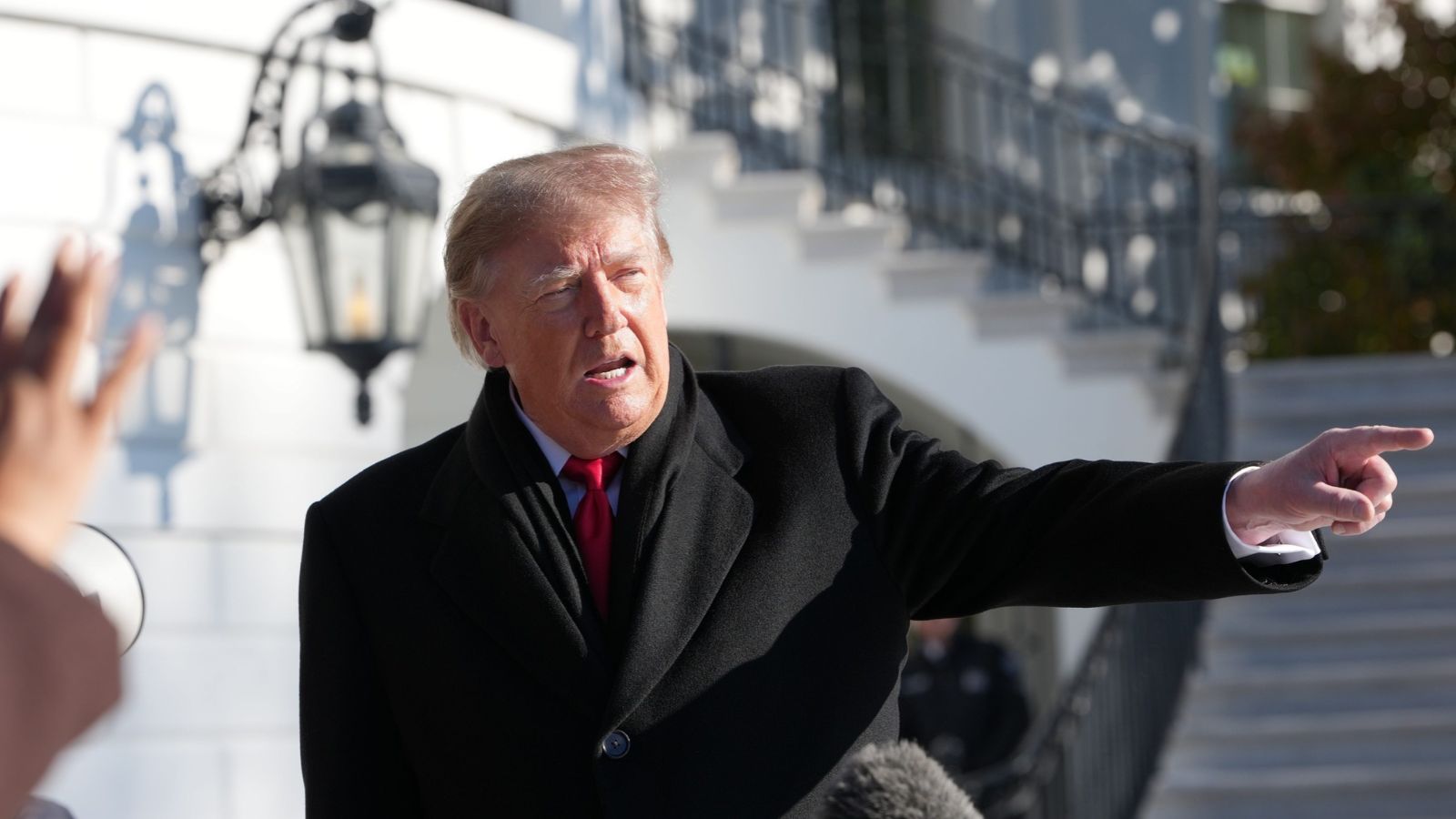
Epstein is not the only high-profile figure named in the leaks. US President Donald Trump is another name mentioned in the trove of leaked data.
The files show more than $3 million in transactions involving Trump-owned companies, including payments to entities believed to be part of Russian and Azerbaijani money laundering networks.
The FT reported that the bank mistakenly leaked details of Trump’s taxes in March 2017, during his first term, and kept the error from the White House. Christian Sewing, then head of private banking, called it “an awful mistake.”
When asked about it in Manila, Trump said the bank should not have disclosed the document and that doing so is illegal, Reuters reported. However, what we need to understand is that the reports concern the bank’s handling of confidential information, not alleged wrongdoing by Trump.
A Regulator steps in
The Hesse Commissioner's office is looking at whether the bank had adequate data protection, whether it reported the breach in a timely manner, and whether it informed the affected parties. The bank told Reuters that it did report to the appropriate authorities. The German government has called for transparency. Meanwhile, Deutsche Bank CEO Christian Sewing told Handelsblatt that he asks himself whether he could have done some things differently, while reiterating the board's support for him.
Deutsche Bank’s defence

According to The Guardian, the reports led Deutsche Bank’s German-listed shares to fall 4 per cent on Tuesday. In response, the bank said it had undergone a fundamental transformation under CEO Christian Sewing, including €7 billion in direct investment in its controls from 2019 to 2025. It said it would continue strengthening those controls, completing outstanding remediation, and promoting integrity. The bank also stressed that the leaked material contains legally protected confidential information about clients, employees, and others, and said it would continue taking steps to protect it.
(With inputs from NYT, The Guardian, Al Jazeera, CNBC, Deccan Herald, Arab News, Reuters, and Malaysiakini)