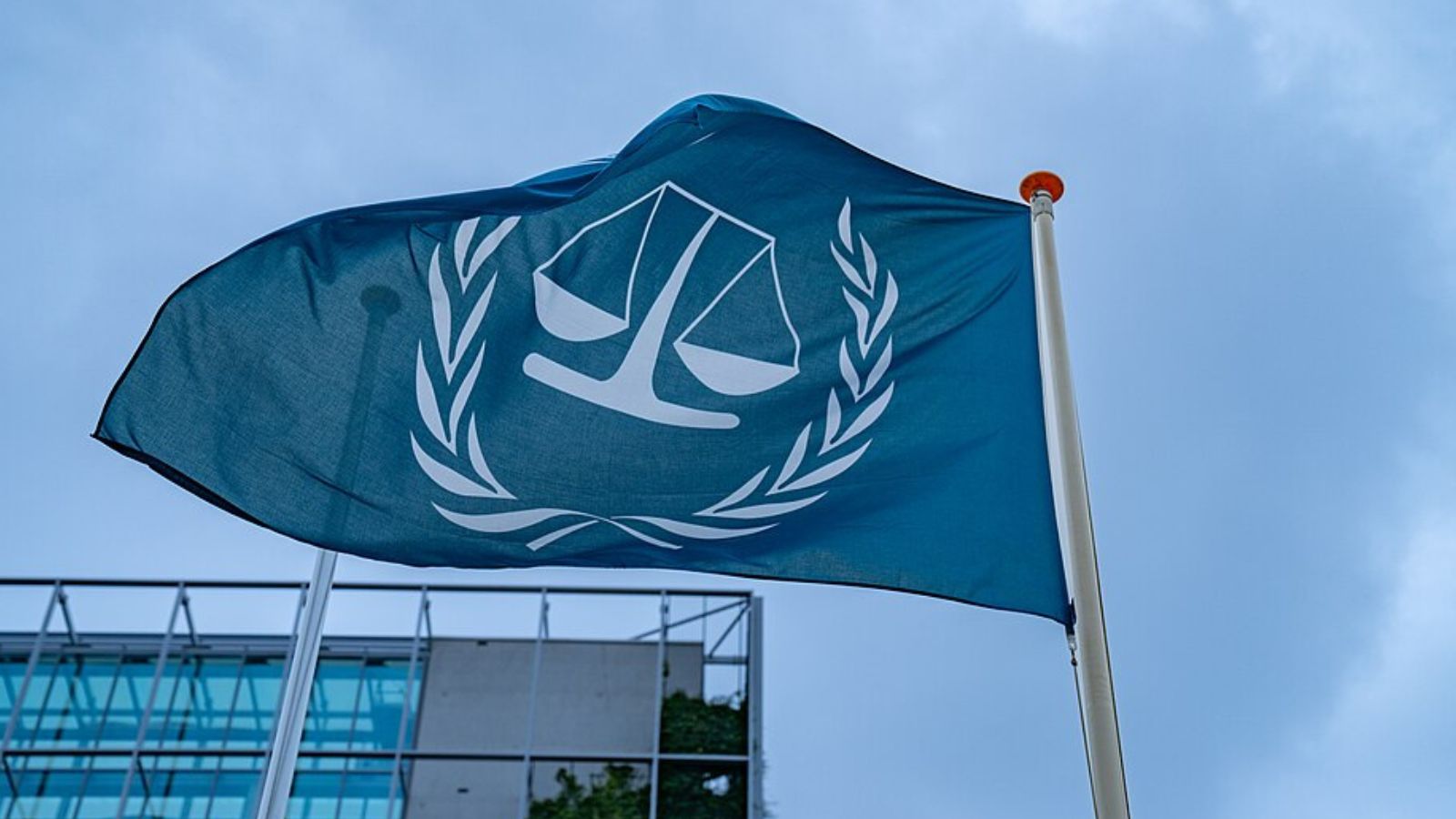


The Hague: The International Court of Justice (ICJ) on Thursday found Myanmar guilty of genocide against Rohingyas in the northern state of Rakhine, as per reports.
The Hague Court reached the verdict with nine judges supporting it and six opposing it, reported BBC.
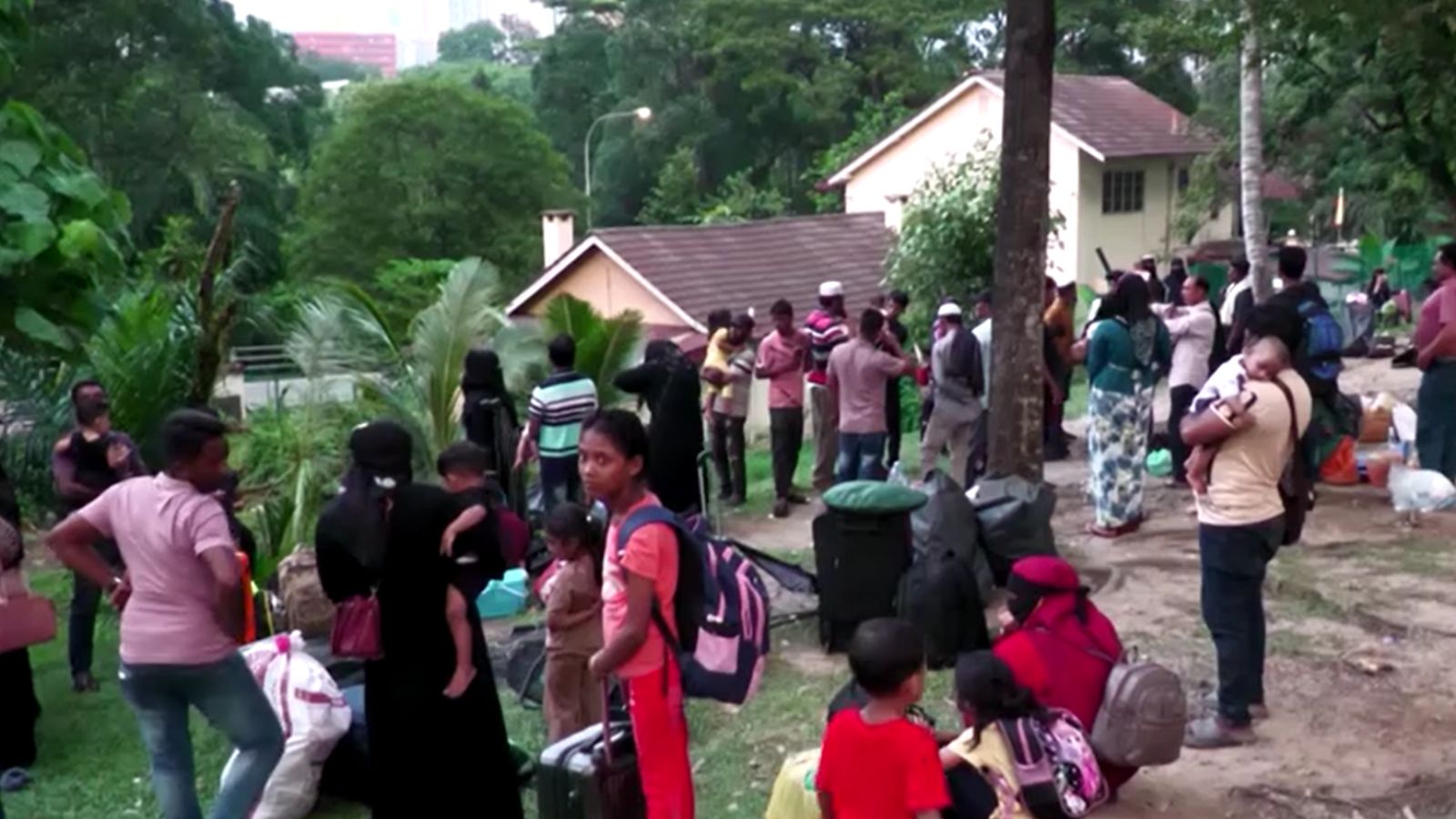
Hague Court says Myanmar killed 10,000 Rohingyas
The top United Nations court said that evidence shows that Myanmar forces killed some 10,000 Rohingya in 2017 military operations.
The death toll announcement came early in a three-hour sitting to read out the International Court of Justice's decision on whether Myanmar committed genocide in a brutal offensive against the Rohingya nearly a decade ago.
The violence forced hundreds of thousands of the mainly Muslim minority to flee to neighbouring Bangladesh.
“The court finds that Myanmar's security forces killed thousands of Rohingya civilians, perpetrated widespread acts of sexual violence, as well as acts of extreme violence against children, and attacked fleeing Rohingya,” ICJ President Yuji Iwasawa said.
The judgment comes as the World Court is also dealing with genocide allegations connected to the conflict in Gaza and the war in Ukraine.
The genocide of Rohingyas
Buddhist-majority Myanmar has long regarded the Rohingya as 'Bengalis' from Bangladesh, although their families have lived in the country for generations. Nearly all have been denied citizenship since 1982, effectively rendering them stateless. They have also faced restrictions on freedom of movement and access to basic rights.
In August 2017, Myanmar's military launched what it described as a clearance campaign in northern Rakhine State following an attack by a Rohingya insurgent group.
The operation forced more than 700,000 Rohingya to flee to neighbouring Bangladesh and triggered allegations of mass killings, rape and the burning of thousands of homes by security forces.
Around 1.2 million Rohingya refugees now live in Bangladesh, primarily in overcrowded camps across Cox's Bazar district. They face harsh living conditions, including fire hazards, infectious diseases, monsoon-related landslides, inadequate sanitation and restrictions on employment.
(With agency inputs from PTI)