

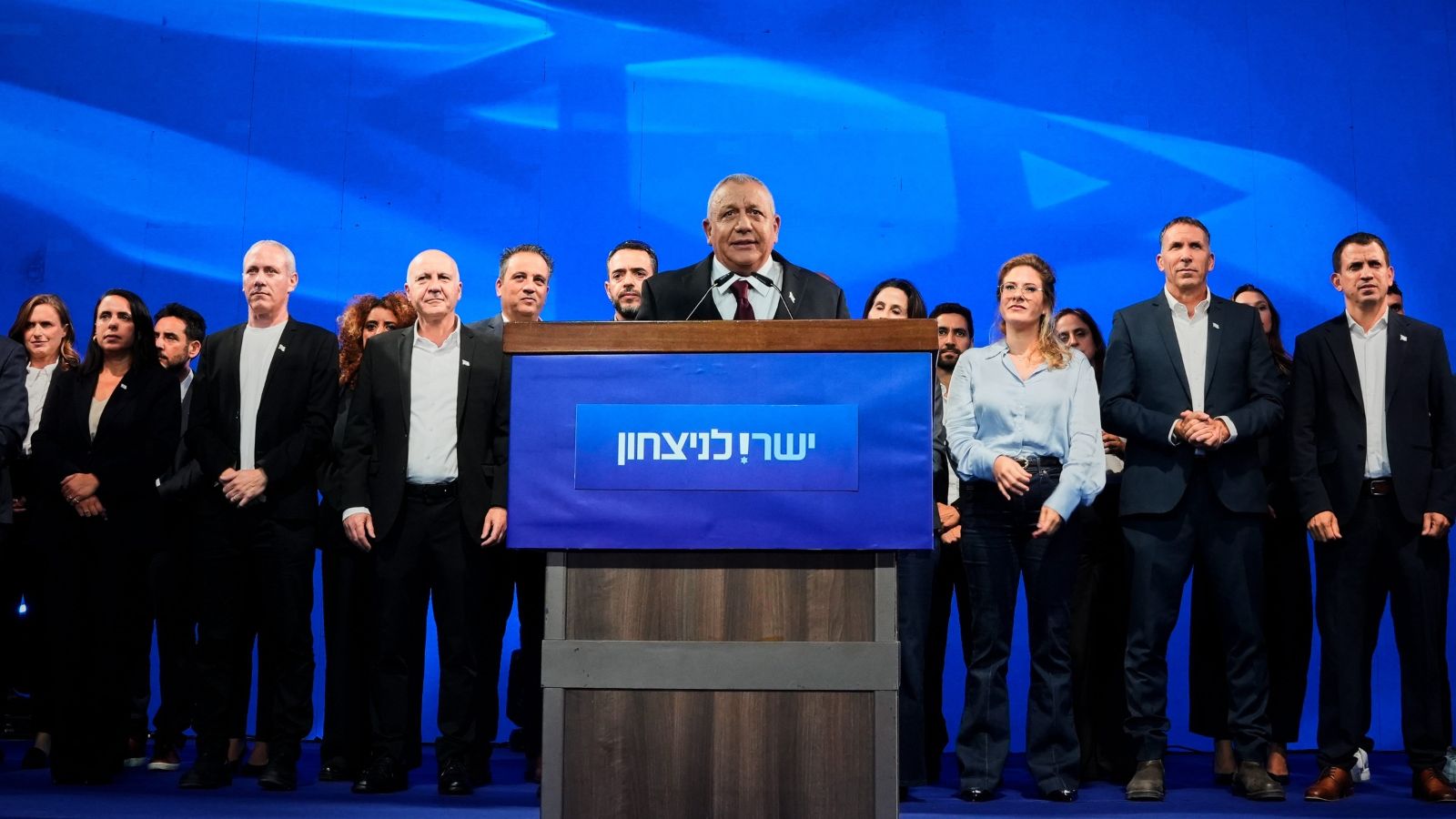


Israel: Gadi Eisenkot's Yashar party has secured its first coalition partner in Avigdor Liberman's Yisrael Beytenu, according to multiple reports.
The party stated that it has agreed to sign a coalition pact with Yisrael Beytenu, as reported by Al Jazeera. Liberman said the details of the agreement would be made public after a legal review.
Eisenkot has been given the mandate to form the new government, with President Issac Herzog formally tasking him on November 8. The president granted him an initial 28-day window, with a possible 14-day extension, to assemble a ruling coalition of at least 61 lawmakers in the 120-seat Knesset.
Eisenkot's likely coalition partners
According to Channel 12, as cited by The Times of Israel, Eisenkot is hoping to reach coalition agreements with Naftali Bennett's B'Yachad party and Yair Golan's Democrats in the coming days. The report said the Yashar leader was aiming to swear in a new government as early as next Wednesday.
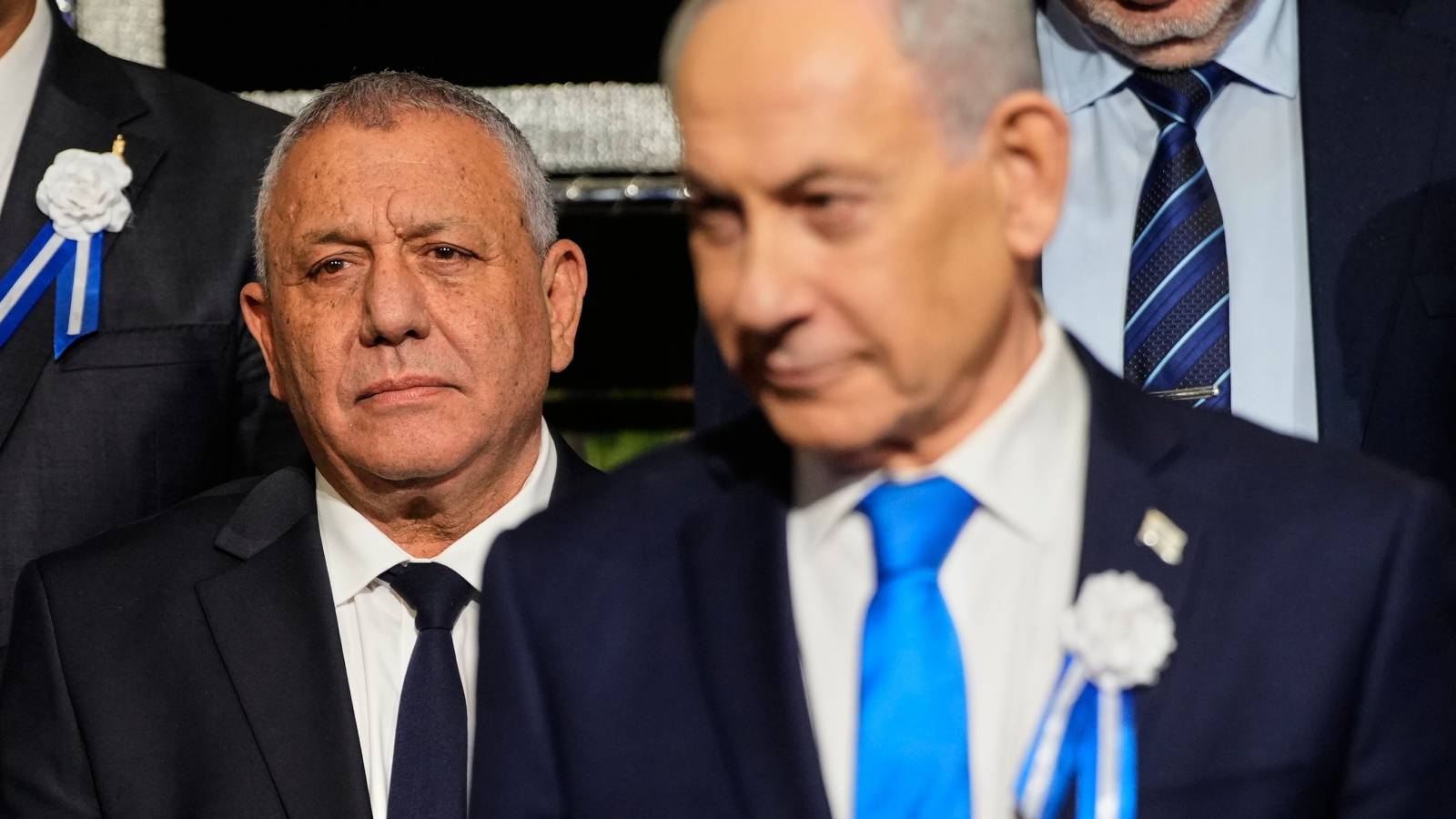
Liberman said that negotiations with the ultra-Orthodox United Torah Judaism (UTJ) party were progressing “very nicely” and expressed optimism about the formation of a new government, Times of Israel reported, citing Kan public broadcaster's Reshet Bet radio station.
Liberman criticises negotiations with Netanyahu's Likud
Liberman criticised Eisenkot's decision to continue negotiations with Netanyahu's Likud party, arguing that the discussions effectively granted legitimacy to the outgoing prime minister.
“I don't think we needed to hold negotiations with Bibi,” Liberman told Kan, referring to Netanyahu by his nickname.
“He needs to be held accountable for the October 7 disaster and the diplomatic disaster that has turned us into international pariahs,” he added.
Coalition arithmetic in Israel
The parliamentary arithmetic underscores the difficulty in coalition talks in Israel. In the October 27 election for the Knesset, neither one of the major blocs secured the 61 seats required to govern.
Netanyahu's right-wing and ultra-Orthodox alliance won 53 seats: Likud 27, Otzma Yehudit 7, United Torah Judaism 7, Shas 6 and Religious Zionism-Zehut 6. Eisenkot's four-party Zionist bloc won 48 seats: Yashar 21, B'Yachad 12, Democrats 8 and Yisrael Beytenu 7.
The two Arab-majority parties, the Joint List, with 11 seats, and Ra'am, with eight, backed Matan Kahana's election as Knesset speaker in a 66-52 vote. However, key figures in Eisenkot's bloc have ruled out formal coalition ties with them, forcing party leaders to explore alternative routes to a parliamentary majority.
(With inputs from ANI)