


As soon as we hear the word stress, most of us associate it with restlessness, anger, tears and so on, but there are uncommon ways in which stress shows up. Most of the time, we ignore these symptoms completely or don’t necessarily associate them with stress at all until they create complete havoc in the body and mind.
Also Read:
According to psychiatrist and author Dr Arun B Nair, a group of conditions known as ‘somatoform disorders’ can cause psychological distress to appear as physical symptoms. People experiencing these conditions may have persistent symptoms affecting different parts of the body, even when physical examinations and tests, including blood tests, show no clear evidence of an underlying physical illness.
One hidden factor, various outcomes

Somatoform disorders may affect different parts of the body, including hair, muscles, stomach, respiratory system, heart, immune system, skin, as well as the sleep-wake cycle. Commonly seen somatoform disorders can be classified as follows:
- Somatisation disorder: It is a condition in which a patient may come to a doctor with multiple, frequently changing, intensely dramatic physical symptoms, like a severe headache one day, which might even make the patient move their head frantically while being seated on a chair. On another day, the patient may come back with intense abdominal pain. They will claim that the abdominal pain occurred as an aftermath of the medicines prescribed for the headache. At times, the doctor may also think that the pain is a result of analgesic-induced gastritis, but in reality, the patient might not even have taken the medicine for the headache. So these symptoms keep on changing. It is also called ‘Briquet’s syndrome’ or ‘Fat File syndrome’.
- Symptoms associated with autonomic dysfunction, such as palpitations, nausea, vomiting, diarrhoea and breathlessness, may occur. However, medical tests may show no corresponding abnormalities to explain these symptoms. In some cases, it also includes hysterical hyperventilation, which occurs whenever the person is stressed; they collapse and hyperventilate. They’ll behave as if they are experiencing severe breathlessness, but the chest investigation will come out clean. Their hyperventilation may persist severely for a couple of minutes, as a result of which the patient may develop tetany (involuntary muscle contractions, spasms, cramps, etc.) of the fingers.
- Psychogenic or psychic vomiting: More common in children or during adolescence, this scenario usually occurs immediately after school reopening. It gets intensified in the morning and subsides by evening, as if a switch is turned off.
- Functional dyspepsia or non-ulcer dyspepsia: Mostly happens in middle-aged people, with symptoms like upper abdominal pain, burning sensation, and regurgitation.
- Irritable bowel syndrome (IBS): Mostly seen in youngsters; there will be an intense, spasmodic kind of pain associated with a tendency to defecate, especially during morning hours, usually on days of an important meeting, seminar presentation or examination, and so on. It can also occur on a day of assigned long-distance travel. In other cases, there will be constipation instead of diarrhoea.
- Somatoform pain disorder: Intense pain experienced in a particular part of the body, such as the neck, lower back or head, may be prominent.
- Recurring hair fall or hair thinning: Stress can affect the functioning of the immune system. When mental health is compromised, changes in neurotransmitter activity in the brain may influence immune responses. This can, in turn, affect hair health, making hair thinner and more brittle, and potentially contributing to prolonged hair loss.
- Muscle or joint pain: As a result of stress, there may be frequent episodes of muscle and joint pain. Sometimes, there might be emaciation of the body, resulting in the thinning of muscles and muscle wasting, leading to physical weakness and joint pain.
Different types of stress
According to Dr Arun, stress is a way in which the body and mind try to adapt to a new or difficult situation in life. It can lead to physical manifestations like a rise in blood sugar, increased heart rate, rising blood pressure, increased body temperature, increased acid secretion in the stomach, and so on. It also includes psychological issues like anticipating a problem and feeling anxious about the problem surfacing. Sometimes, this anticipatory anxiety may be manifested with an avoidance reaction, like avoiding going to the place where this problem may arise. For example, people with work-related stress may find ways not to go there at all; workplace absenteeism may occur frequently.
There are two types of stress:
- Type 1: This occurs mostly once in a lifetime or very rarely, like witnessing a very violent accident or incident or being the subject of an accident. It can also include being subjected to violent assault or sexual assault, or witnessing the death of someone very dear to you…
- Type 2: Stress which is continuously present, like tolerating an alcoholic partner, toxic parents, bad work authorities and so on.
There are two more types, namely eustress and distress. Eustress is a kind of stress that one experiences when one gets a new job, gets married, or has a child. All these are happy events, yet they cause a permanent change, and this thought of change can induce stress.
Distress occurs during unpleasant events like the death of a loved one, separation from a partner, job loss, and so on.
Seeking help at the right time
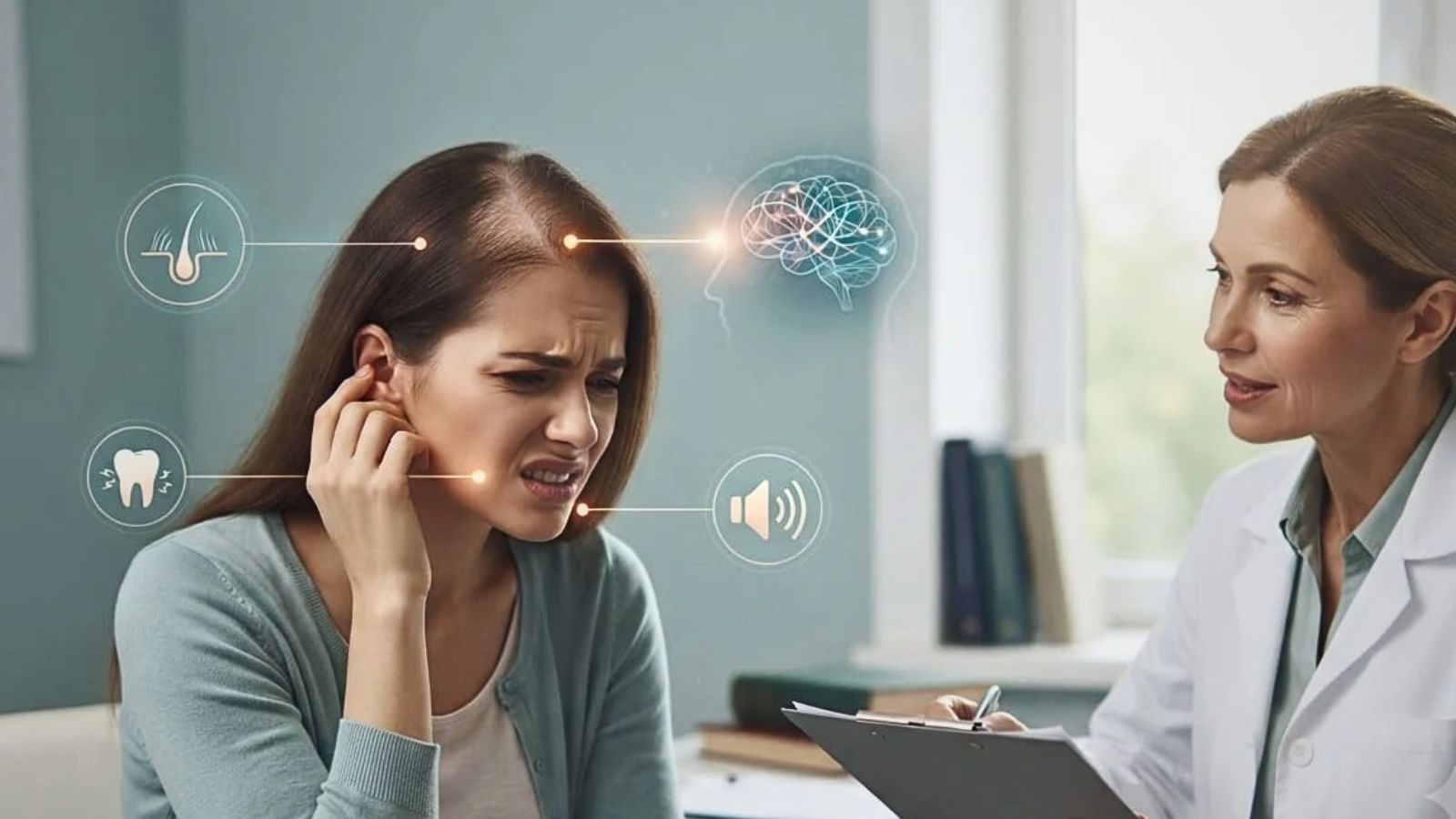
There are several factors leading to stress; experiencing traumatic events during childhood is one of the major factors among them. Lack of social support, lack of trustworthy people to open up to, etc., could also worsen the situation. One should seek help as soon as the distress leads to socio-occupational dysfunction, such as:
- The stress disrupts work-related behaviour.
- It prevents you from going to the workplace and working efficiently.
- It negatively impacts your social interactions.
- It adversely affects the peaceful atmosphere of your home.
Depending on the stress levels, a qualified health professional may advise treatments involving medications to control the chemicals and neurotransmitters. There are also psychological methods, including addressing childhood traumatic events, improving coping mechanisms, restructuring abnormal thought processes, and inducing hope to accept the realities of life and fuelling you to move forward beyond limitations. Lastly, social interventions include family therapy and enhancing the family support system.
So, next time, before we look at someone and say, ‘But you didn’t tell me,’ maybe we all can train ourselves to be more observant and empathetic.