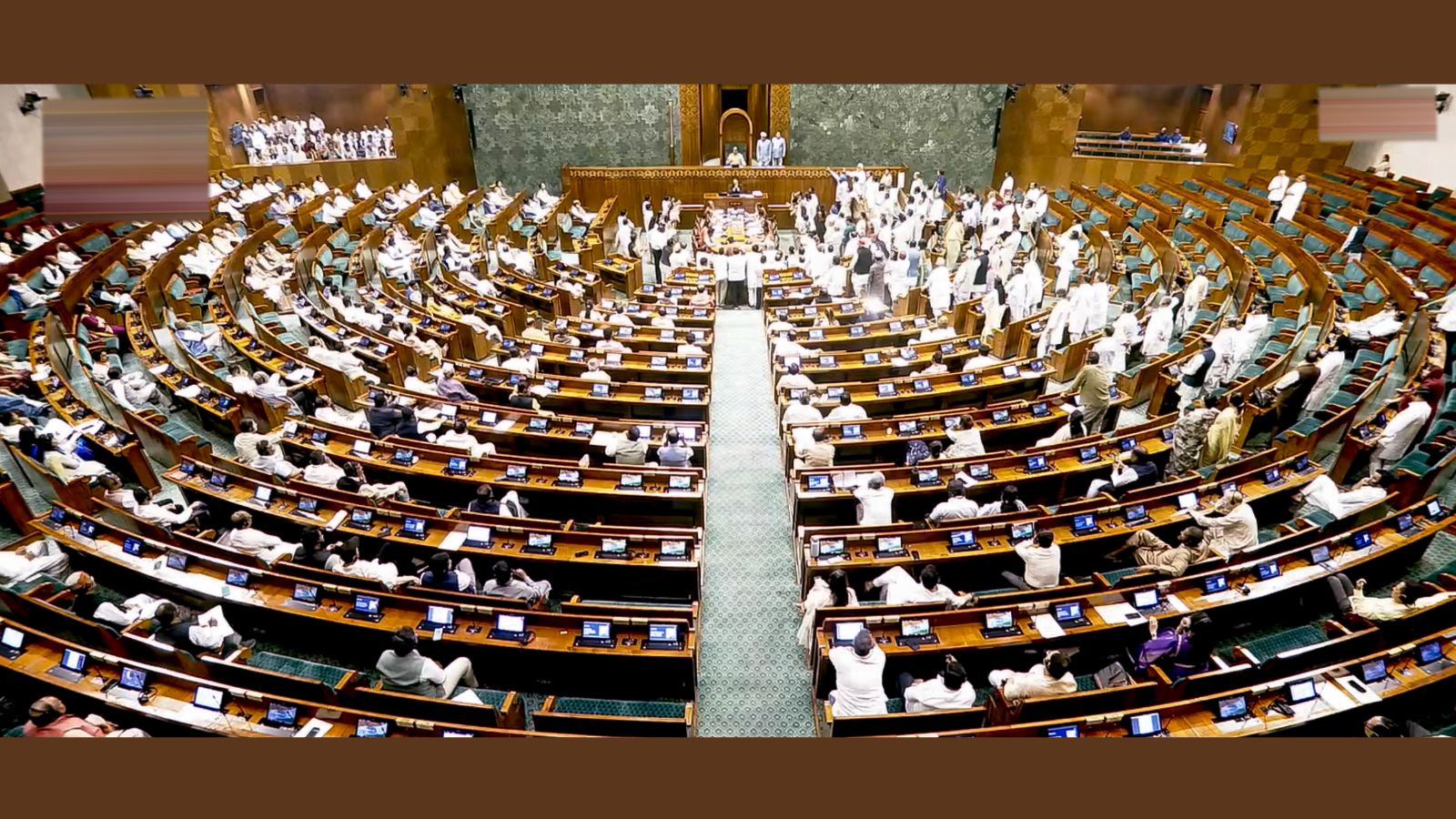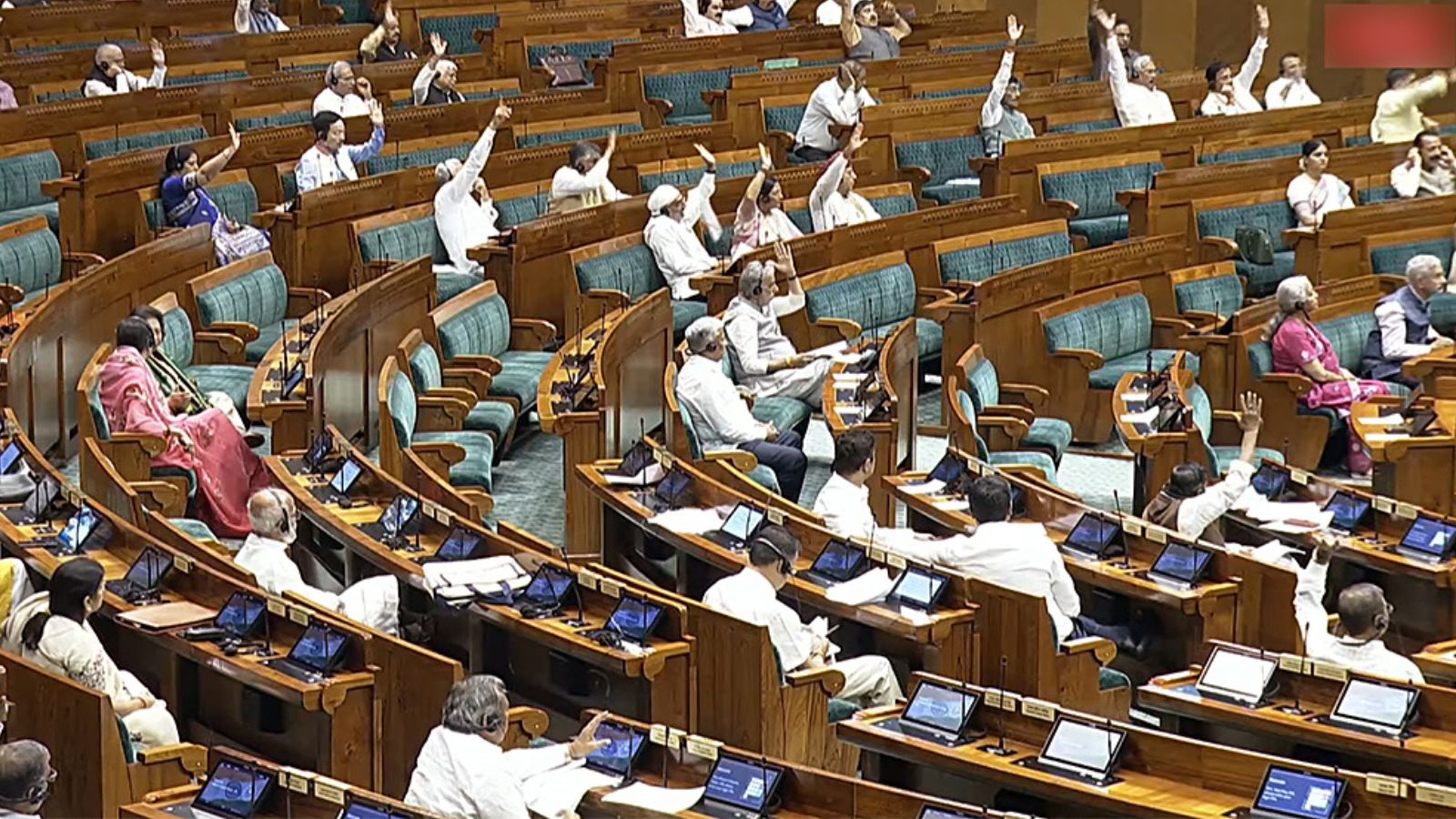


During the story monsoon session, which drew to a close on August 13, the Indian Parliament passed as many as 12 bills.
As the curtains fell on the session, which began on July 20, both the Lok Sabha and the Rajya Sabha were adjourned sine die, meaning, for an indefinite period of time.
The session saw relentless protests by the opposition on the police action on student protesters and alleged theft of donations at the Ram temple in Ayodhya.
Even though the lower house only functioned for 15 per cent of its scheduled time and the upper house functioned for only 33 per cent of the total time, as many as 12 bills were passed by the Parliament.
Out of the 12 bills cleared, debate could only take place on two, while the others were passed without a discussion.
Major bills cleared - Monsoon session
- The Public Examination (Prevention of Unfair Means) Amendment Bill, 2026 - According to the Bill, individuals involved in paper leaks or unfair means in exams, will get jail terms for a minimum of five years and a maximum of 10 years, and a fine of up to ₹50 lakhs. The bill was passed by the Parliament on July 30. The bill got presidential assent on August 1.
- Prevention of Insults to National Honour (Amendment) Bill - The bill, which was introduced in the Rajya Sabha, seeks to make insult to Vande Mataram, the national song, a criminal offence. The Parliament passed the bill on July 30. The bill got presidential assent on August 11.
- The Kerala (Alteration of Name) Bill, 2026 - The Parliament on August 12 passed the bill to rename Kerala as Keralam. The state government had already forwarded a resolution passed by the legislative assembly regarding the name change to India government in June 2024.
- The Taxation and Other Laws (Amendment) Bill, 2026 - The Parliament on August 10 passed the bill to amend the Payment and Settlement Systems Act, 2007 that authorises the government to permit banks and other service providers to levy charges on payments through unified payments interface (UPI) and other notified electronic payment modes.
- The Registration of Births and Deaths (Amendment) Bill, 2026 - The Parliament on August 4 passed the bill seeks to amend provisions of the Registration of Births and Deaths Act, 1969. The bill tightens existing norms, mandating an order from a judicial magistrate (first class) for birth and death registrations made more than two years after the event.
- The Micro, Small, and Medium Enterprises (MSME) Development (Amendment) Bill, 2026 - The bill, introduced in the Rajya Sabha, seeks to address the current challenges faced by the MSME sector by improving the administrative structure and facilitating payment mechanisms. The Parliament passed the bill on August 7.
- The Supreme Court (Number of Judges) Amendment Bill, 2026 - The Parliament on August 5 passed the bill to increase the number of judges of the Supreme Court from the present 33 to 37 (excluding the Chief Justice).
- The Mines and Minerals (Development and Regulation) Amendment Bill, 2026 - The bill, passed by the Parliament on August 13, seeks to amend the regulations for mines and minerals, whereby states will be restricted from levying additional tax on mineral rights.
- The National Co-operative Development Corporation (Amendment) Bill, 2026 - The Parliament on August 12 passed the bill to broaden the mandate of the National Cooperative Development Corporation (NCDC) to give loans and grants directly to cooperative societies in the country.
- The Bankers’ Books Evidence Bill, 2026 - The Parliament on August 10 passed the bill, which seeks to replace a British-era legislation, paving the way for inclusion of digital and virtual records as admissible evidence in the court of law.
- The Tribunals Reforms Bill, 2026 - The Parliament on August 11 passed the Bill to set up a National Tribunal Commission to select chairpersons and members for various tribunals across the country.
(With inputs from PTI)