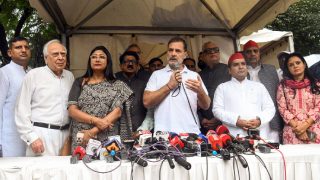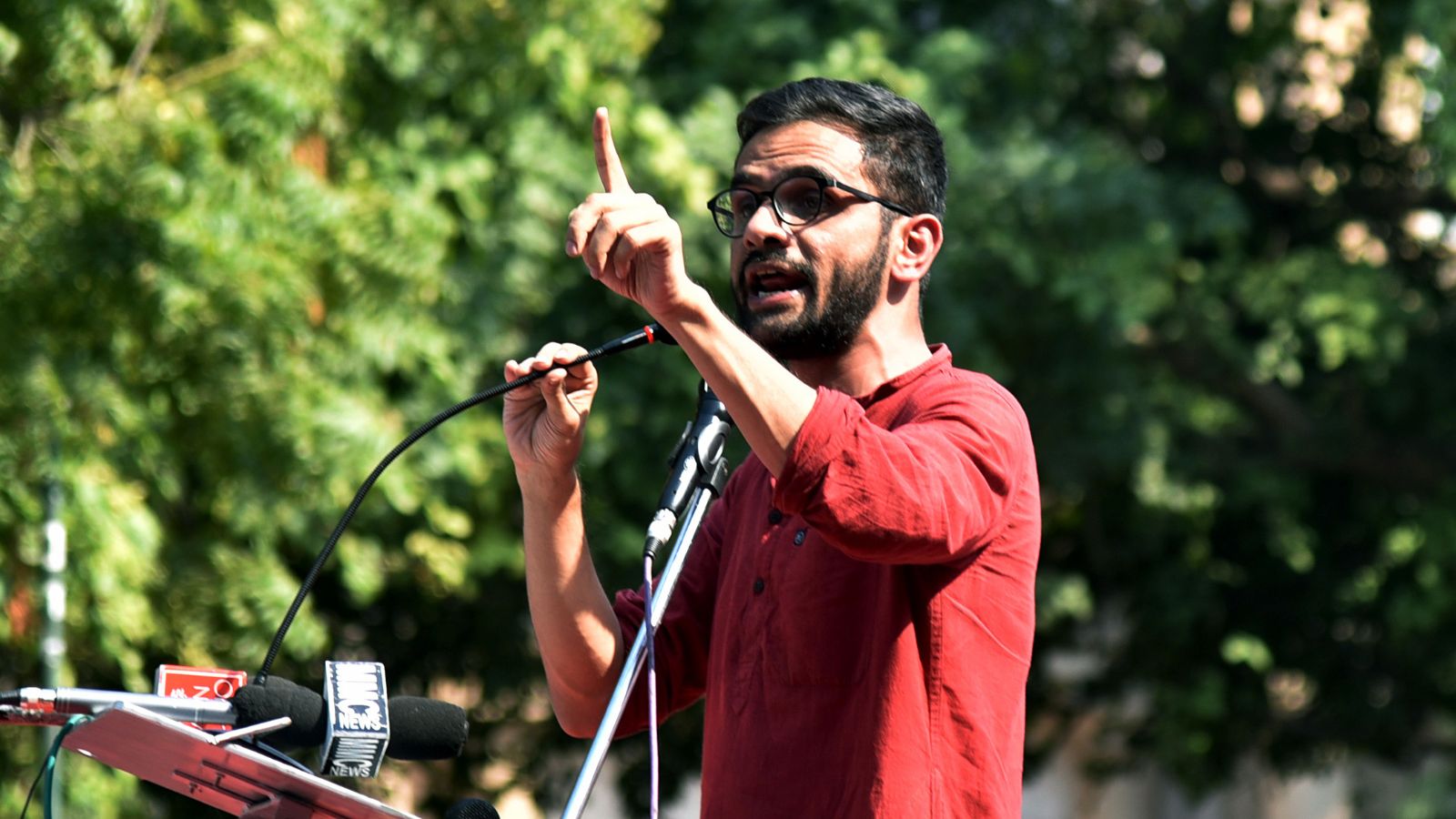


On September 13, 2020, Umar Khalid was arrested under the Unlawful Activities (Prevention) Act (UAPA) in connection with what Delhi Police described as a larger conspiracy behind the violence in northeast Delhi in February of the same year. Six years later, Khalid, now known in prison records as Prisoner No. 626710, remains in judicial custody, while the evidence against him has yet to be tested at a substantive trial.
Six years is a long time to spend in prison without a conviction. For Khalid, most of his thirties have passed inside Tihar Jail, with repeated bail applications and continuing arguments over the framing of charges.
The case has therefore come to represent a larger question about the relationship between prolonged pre-trial incarceration and the right to a fair and timely trial.
Six years measured inside a prison
A personal account published by The Quint in 2026 offers a glimpse into what those six years have meant on an everyday level for Khalid.
His day begins with the morning headcount, followed by prison announcements, inmates reporting for work and the routine activity of the ward. More than 100 prisoners share the space. Basic facilities such as water, access to a phone and an electric heater become part of the daily routine of waiting.
Over time, the prison itself becomes a system of repetition.
Khalid talks about interactions with fellow inmates, including helping prisoners understand court orders and preparing applications for them. He describes friendships formed inside the jail and his attachment to two cats in the ward.
Contact with his family and friends is very limited. He says he is allowed three five-minute phone calls a week. He often decides in advance what he wants to say because the time is so limited.
“Every second is precious,” he says.
The passage of time is one of the strongest themes in his account. Court dates, books, phone calls and the changing seasons become markers of time. He spends most of his evenings walking around the ward, listening to the radio, reading and watching other prisoners.
He also writes about the physical strain of prison life, including the heat inside his cell and episodes of breathlessness that can trigger panic. At night, he reads until he falls asleep, sometimes waking because of the heat or because prison staff check that inmates remain visible.
For Khalid, repetition becomes a defining feature of incarceration.
“Prison not only confines, it also isolates and segregates,” he says.
From protest to prison
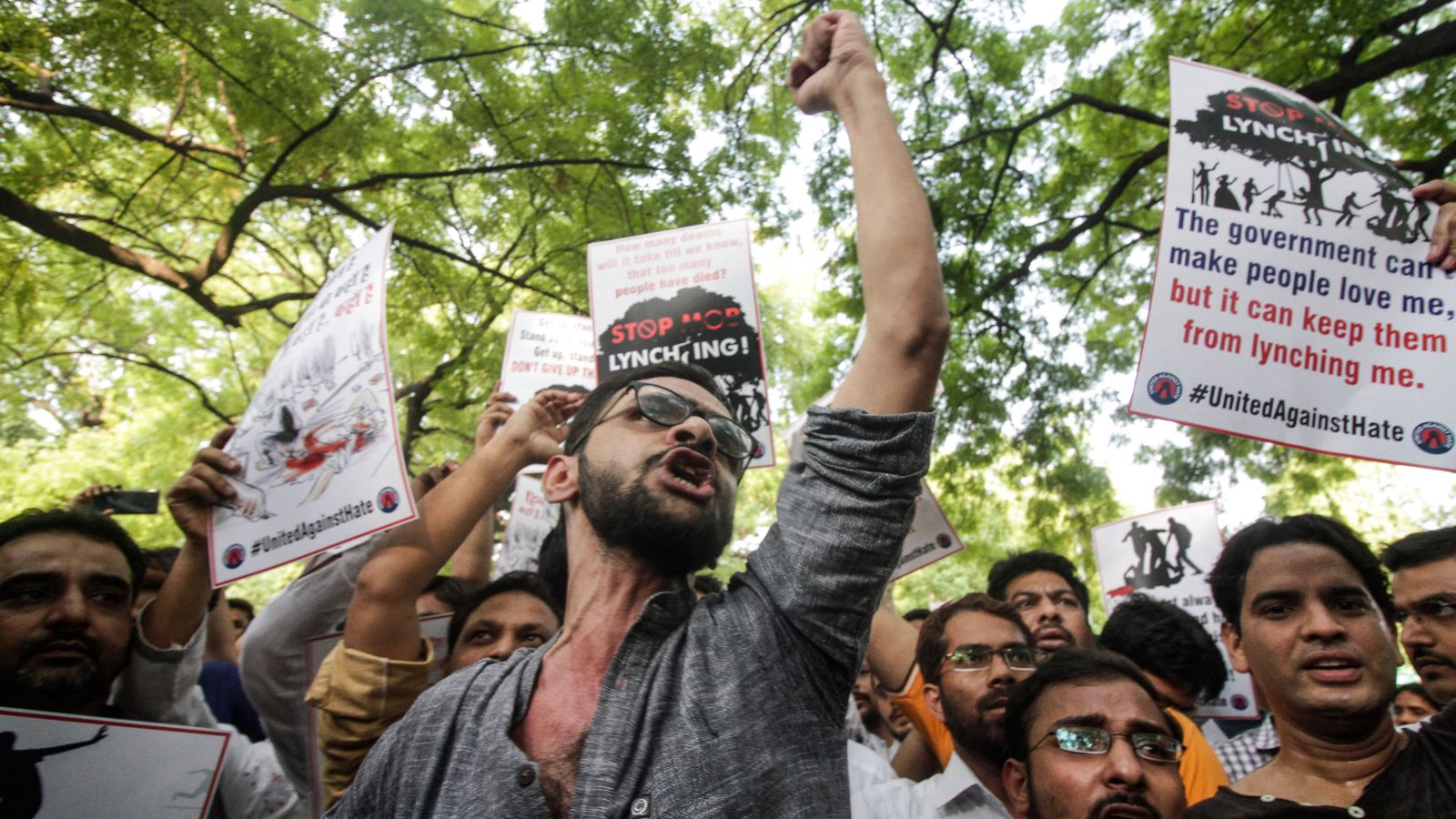
Khalid was arrested after the violence in northeast Delhi in 2020, following months of protests against the Citizenship Amendment Act (CAA) and the proposed National Register of Citizens (NRC).
Delhi Police have alleged that Khalid and fellow activist Sharjeel Imam were among those who conspired to orchestrate the violence. Khalid has denied the allegations.
The violence left 53 people dead, most of them Muslims.
The prosecution's case is being pursued under the UAPA, an anti-terror law that has kept Khalid in custody while the proceedings over charges continue.
But six years after his arrest, Khalid remains an accused person, not someone convicted of the allegations against him.
A case that has not reached trial
Khalid has sought regular bail several times across trial courts, the Delhi High Court and the Supreme Court in connection with the case.
The Delhi High Court granted him three days of interim bail from June 1 to June 3, 2026, on humanitarian grounds. He was allowed to see his mother ahead of her surgery and attend a family ceremony.
His subsequent regular and fresh bail applications have faced opposition from Delhi Police, which has argued that there has been no change in circumstances.
Meanwhile, arguments on the framing of charges before the trial court continue.
The Delhi High Court has also adjourned the hearing on the bail pleas of Khalid and Sharjeel Imam. A bench led by Justice Prathiba Singh ordered that the matter be heard next on September 21, 2026.
This is the status of the case as of September 14, 2026, when this article was written.
The personal cost of waiting
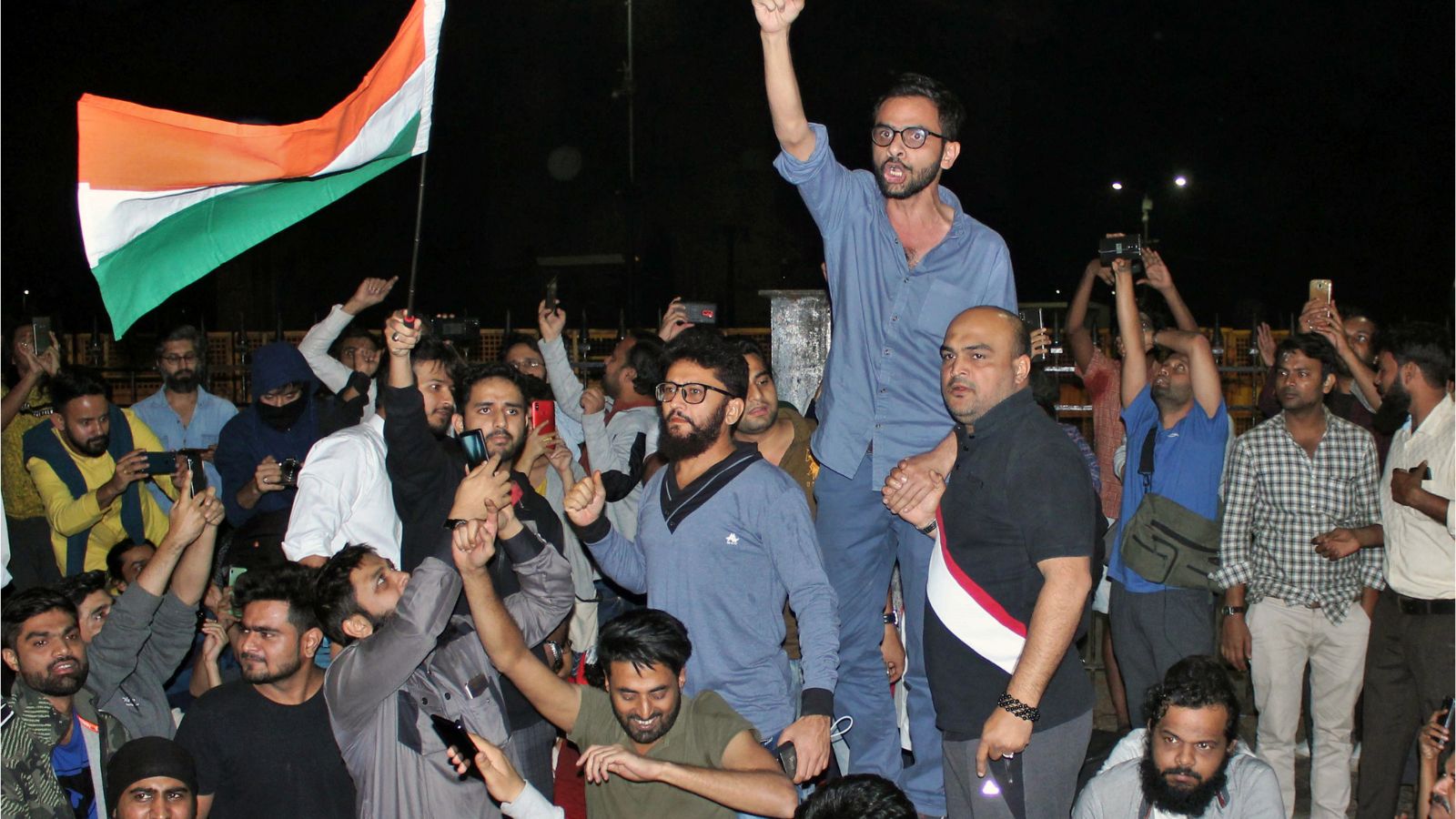
Khalid's earlier writings from prison show that the experience of waiting did not begin recently.
In 2021, The Print published a letter in which Khalid wrote that he had spent eight months alone in a cell, with around 20 hours a day locked inside. The pandemic, he wrote, had made prison life more difficult, particularly because of concerns about his family outside.
He also wrote about imagining what life might have been like had he been free.
Five years later, the details have changed, but the central feature remains: time passing without a trial.
Phone calls last five minutes. Books are read. The seasons change. Court dates come and go.
And this cycle continues.
What does six years without trial mean?
Khalid's case has become deeply polarising.
He rose to prominence as a student activist and later became one of the prominent faces of the protests against the CAA. His supporters describe him as a political prisoner and an example of the use of criminal law against dissent.
Many critics and even some TV channels have branded him as an anti-national. For rights groups and activists, Khalid has become a prominent example in their criticism of what they describe as a wider crackdown on dissent under Prime Minister Narendra Modi and the BJP-led government. The BJP has maintained that India's judicial system is independent and that Khalid's prosecution is not politically motivated.
The disagreement over Khalid's politics, his activism and the allegations against him is unlikely to disappear.
But the legal question is narrower.
How long can an accused person remain in prison before the evidence against them is tested in a substantive trial?
That question becomes more difficult when the period is measured not in months, but in years.
Six years in custody is not simply a delay in a court calendar. It is six years of a person's life spent in confinement without the allegations being tested at trial.
And that is what makes the Umar Khalid case larger than any single bail hearing.
The issue is not whether an accused person should be held accountable if a court finds them guilty. It is whether accountability through the criminal justice system can remain meaningful when the process itself takes years before reaching the stage at which guilt or innocence can be determined.
For Khalid, September 13, 2026 marked six years since his arrest.
The allegations remain before the courts.
The trial has not substantively begun.
And the years spent in prison cannot be returned, regardless of what the eventual outcome of the case may be.
(In Context looks beyond the headline to understand the story behind the story — the events that led to it, the forces shaping it, the people affected by it and what it tells us about the world around us.)