

Kyiv: Ukraine struck an oil refinery in Russia’s Samara region early Friday, ending a reported two-week pause in attacks on Russian oil-processing facilities that had followed pressure from US President Donald Trump’s administration to halt such operations, according to The Wall Street Journal.
Also Read:
The reported strike targeted the Novokuybyshevsk Oil Refinery, where a fire broke out overnight on October 30 following a suspected Ukrainian drone attack, Ukrainian media reported. Photographs and videos shared on social media showed columns of smoke rising over the facility, according to The Wall Street Journal.
The reported resumption of attacks follows an unofficial pause that began in mid-October. The newspaper reported on October 29 that Ukrainian military units conducting long-range strikes had informally suspended attacks on Russian refineries following pressure from the Trump administration.
The pause was expected to continue until after the upcoming US midterm elections, according to the report, which cited officials familiar with the operations.
The Novokuybyshevsk refinery is owned by Russian state-controlled oil company Rosneft, Ukrainian media reported. It processes approximately 8.8 million metric tonnes of crude oil annually, producing aviation fuel, gasoline, diesel, lubricants and other petroleum products. The facility was previously targeted in Ukrainian drone attacks, including in August 2026.
Ukraine has been targeting Russian oil refineries, fuel depots and other energy infrastructure in an effort to disrupt fuel supplies to Moscow’s military and cut revenues used to finance its war against Ukraine.
Zelenskyy seeks stronger European support
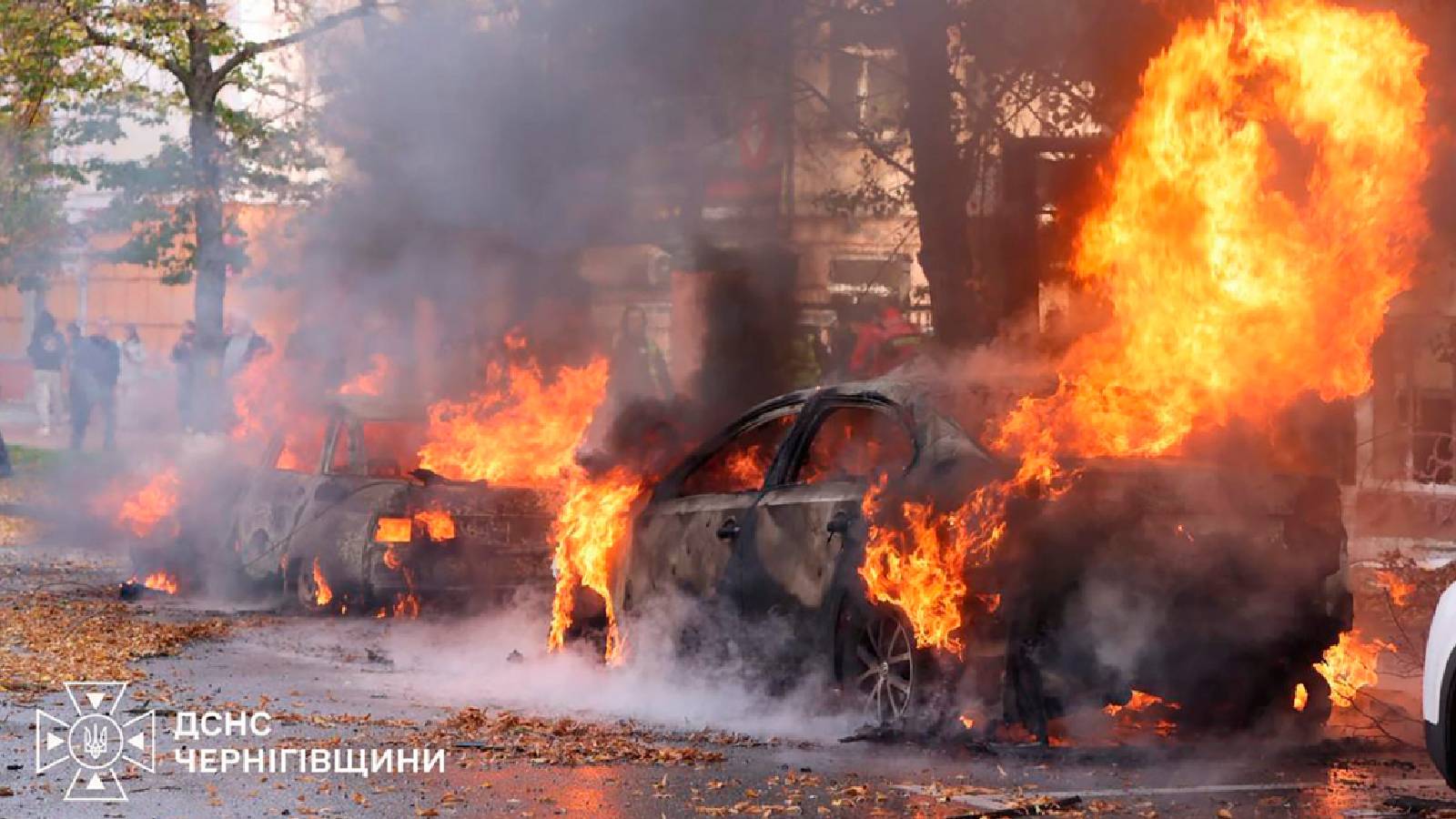
The reported refinery strike comes as Ukrainian President Volodymyr Zelenskyy has called for stronger European Union support to bolster the country's air defences ahead of winter, following Russian attacks that killed 14 people and injured 71 others, including 11 children.
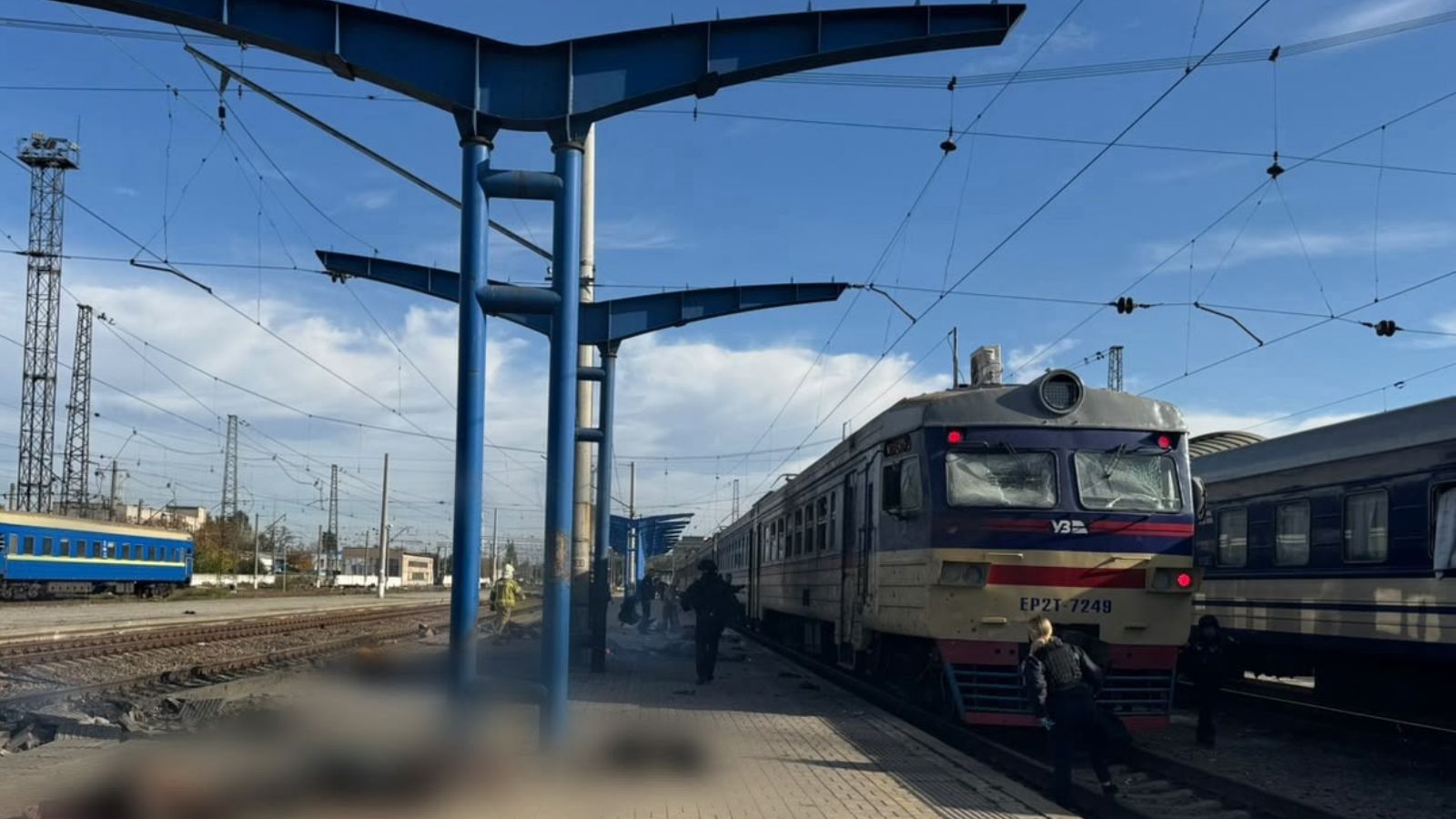
The attacks targeted a railway station in Dnipro and residential neighbourhoods in Chernihiv and Kremenchuk. In a post on X, Zelenskyy thanked European Council President Antonio Costa for expressing solidarity with Ukraine.
“Thank you for your condolences, António. Today, Russia carried out cynical strikes that claimed the lives of 14 people. Another 71 people were injured, including 11 children. Dozens of those wounded are now in hospitals. Our medical professionals are providing care and doing everything they can to save lives,” Zelenskyy said.
He accused Moscow of undermining diplomatic efforts to de-escalate the conflict and end the fighting, arguing that continued international support was crucial to Ukraine's defence.
“Once again, Russia is showing its true attitude towards de-escalation and the efforts by Ukraine, the United States, Europe, and our other partners around the world to end this war and stop the killings,” he said.
Zelenskyy stressed the importance of assistance from the EU and its member states as Ukraine prepares for winter, when attacks on critical infrastructure could create additional challenges. He also urged the EU, the United States and the Group of Seven (G7) to strengthen sanctions against Moscow.
Costa condemned the attacks, describing them as “yet another cruel and devastating series of Russian strikes against civilians in Ukraine”.
In a post on X, he extended his condolences to Zelenskyy and the Ukrainian people over the drone attack on the Dnipro railway station and strikes on residential areas in Chernihiv and Kremenchuk.
“The EU will continue to increase the pressure on Russia and to support Ukraine until a just and lasting peace is achieved. We call on all our international partners to do the same,” Costa said.
Zelenskyy had earlier said the death toll from the Dnipro railway station attack had risen to 14. Two 15-year-old girls were killed in Chernihiv, while three people died after a Russian Shahed drone struck an apartment building in Kremenchuk.
Localised ceasefire in Oleshky
The latest attacks came days after US First Lady Melania Trump announced that a ceasefire between Russia and Ukraine had taken effect beyond Oleshky, two days ahead of schedule. The arrangement was aimed at protecting civilians and facilitating the delivery of critical humanitarian aid to the conflict-affected area.
A humanitarian mission entered the devastated city of Oleshky on Friday, as Russia and Ukraine observed what was described as the most significant truce of the four-and-a-half-year war that began with Moscow's full-scale invasion of Ukraine.
A convoy of 25 buses, ambulances and aid supplies was due to reach the Russian-occupied city, delivering food and medicine and evacuating people wishing to leave for Russia or Ukraine. Authorities and volunteers said around 2,000 people were still living there.
The localised ceasefire in Ukraine's southern Kherson region had held for four days and was due to continue through Sunday evening.
“Everyone who wishes to leave Oleshky will have the opportunity to do so safely,” the two countries said in identical statements. “Those who choose to stay may remain and will receive all the humanitarian support they need.”
Officials from Russia and Ukraine worked together on the operation in a rare joint humanitarian effort. The United States played a central role in the mission, with the White House saying it had been brokered by Melania Trump. Pope Leo XIV had also urged the Russian and Ukrainian leaders to facilitate the operation.
However, fighting continued elsewhere. Russia's Defence Ministry said its air defences had downed more than 1,000 Ukrainian drones overnight, while Ukraine's air force reported that Russia had launched ballistic and other missiles, along with scores of drones.