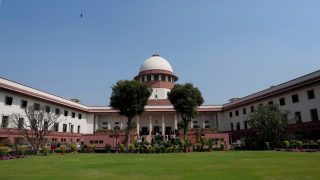


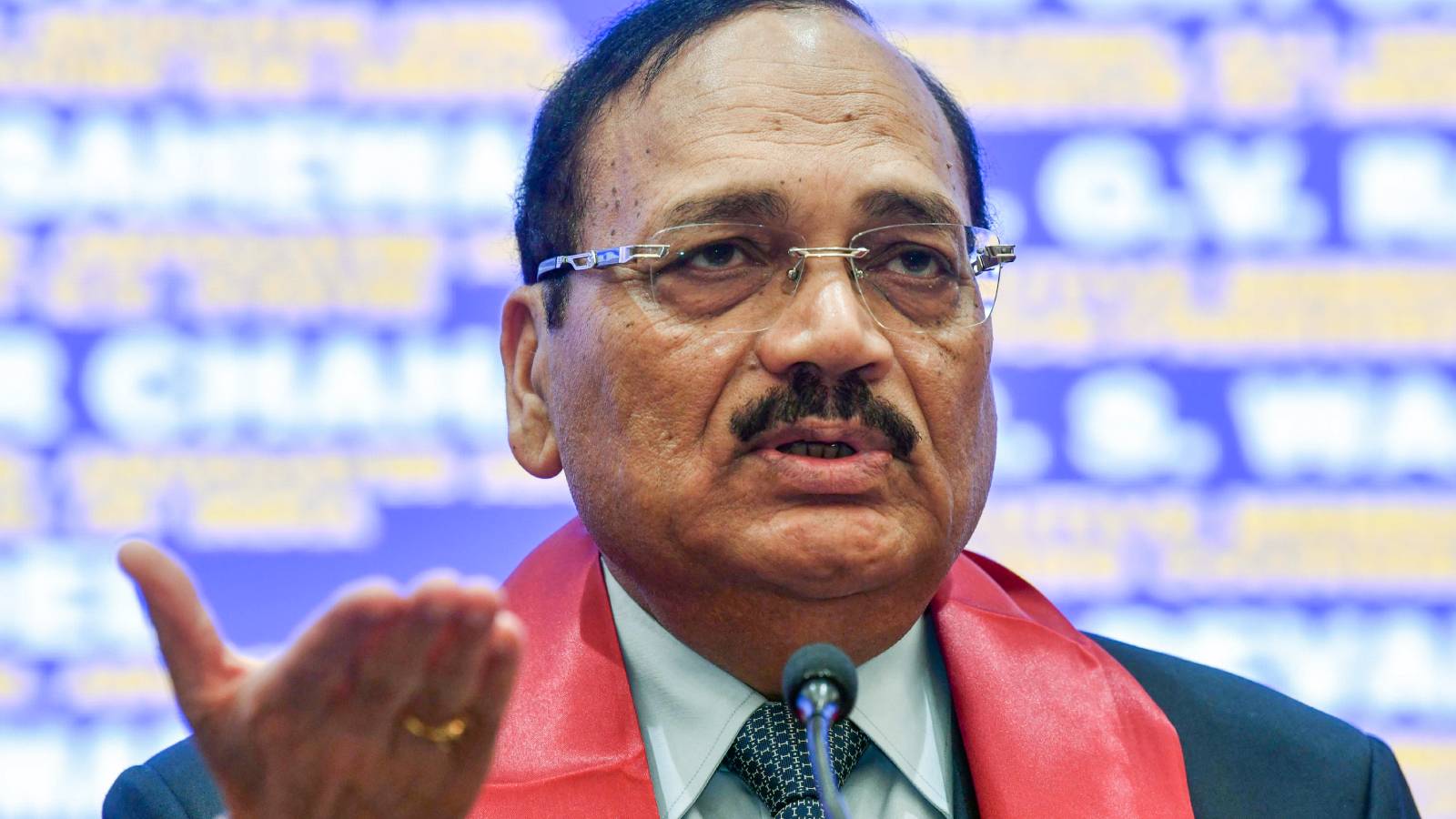


New Delhi: The matter pertaining to the protests against the CEC in Delhi over the past few days is not his domain, said the Chief Justice of India (CJI) Surya Kant on Monday.
"This matter doesn't pertain to my domain," the CJI said.
The last few days have seen protests against Chief Election Commissioner (CEC) Gyanesh Kumar in different parts of Delhi. Over the weekend, the capital turned into a fortress, with massive deployment of security personnel, closure of 45 metro stations and intensive checks at the city's border points.
Also Read:
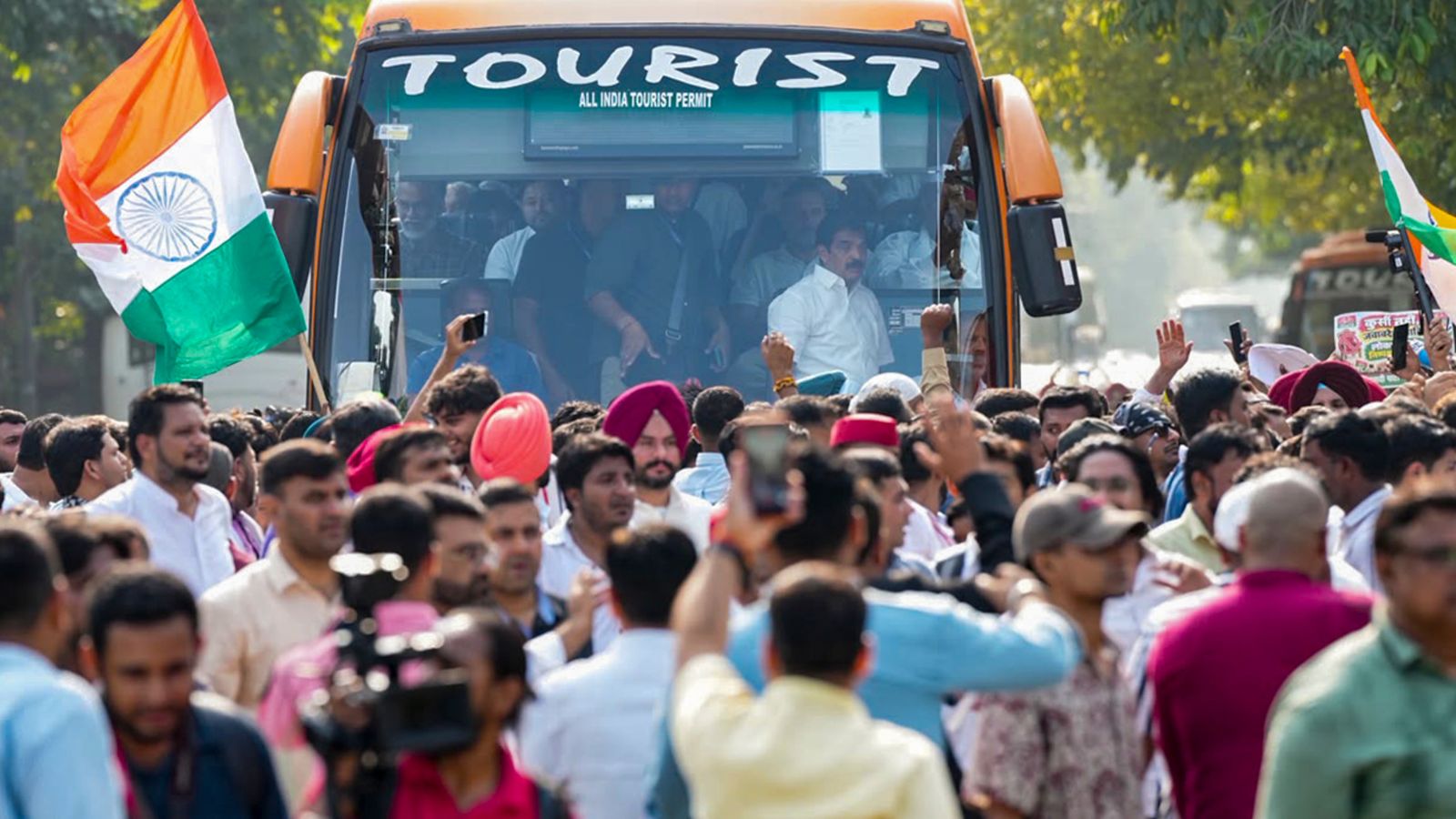
Thousands of protesters, including Cockroach Janta Party (CJP) leaders and former chief ministers, were detained.
During an interaction with reporters on the sidelines of an event to commemorate the 33rd anniversary of the National Human Rights Commission (NHRC) at Vigyan Bhawan here, he declined to divulge reasons for his refusal to meet Congress leaders over the issue of 'vote chori'.
Asked about the opposition's march to the Supreme Court, the CJI said, "I will not make any comments on it."
CJI declines to divulge reasons for not meeting LoPs
Congress chief Mallikarjun Kharge and Leader of Opposition in the Lok Sabha Rahul Gandhi had written to CJI Kant, seeking a meeting between 4 and 5 pm on Monday to hand over a memorandum demanding an end to 'vote chori', CEC Gyanesh Kumar's resignation, halting of Special Intensive Revision (SIR) of electoral rolls, and switching back to the paper ballot format.
The CJI, however, declined to meet them.
In response to a question, the CJI said that in his reply to the letter, he "cited some reasons" and expressed his position that he "won't be able to meet".
"I had received a letter yesterday, and I have given the reply. Letter was of day before yesterday, but I was out," he said.
He refused to divulge the contents of the letter and said, "Please ask the content of the letter from them. I have maintained its confidentiality."
Doors of SC open for everybody: CJI
On several MPs and the CJP continuing their protests to raise their grievances, the CJI said, "Doors of the Supreme Court are open for everybody."
"Anyone who desires, whether a common man or a member of any elected body, every citizen of India has a right to reach us. We will hear issues in consonance with the law, and whatever rights people deserve, we will grant them," he said.
On SC not meeting with JPC on simultaneous elections
The CJI was also asked about the Supreme Court not meeting with the Joint Parliamentary Committee (JPC) on simultaneous elections.
"There are more grounds on this. I have given more than one ground on this. I had said that there is a possibility of conflict of interests and the matter can come to court tomorrow. So, it was my and my colleagues' view that we should avoid any conflict of interest," he said.
P P Chaudhary, chairman of the JPC on simultaneous elections, had recently said that the Supreme Court had initially scheduled an "informal interaction" with the panel following its request for a meeting with the judges, but later called it off as it felt that it was "not appropriate".