

Chennai: The opposition AIADMK on Saturday welcomed the Supreme Court’s interim order permitting the lighting of a traditional lamp atop the Thirupparankundram hill on Karthigai Deepam, saying “justice has prevailed”. However, the ruling DMK’s ally Viduthalai Chiruthaigal Katchi (VCK) opposed the move, while the CPI(M) urged the Tamil Nadu government to seek a review of the verdict, intensifying the political debate ahead of the November 24 ritual.
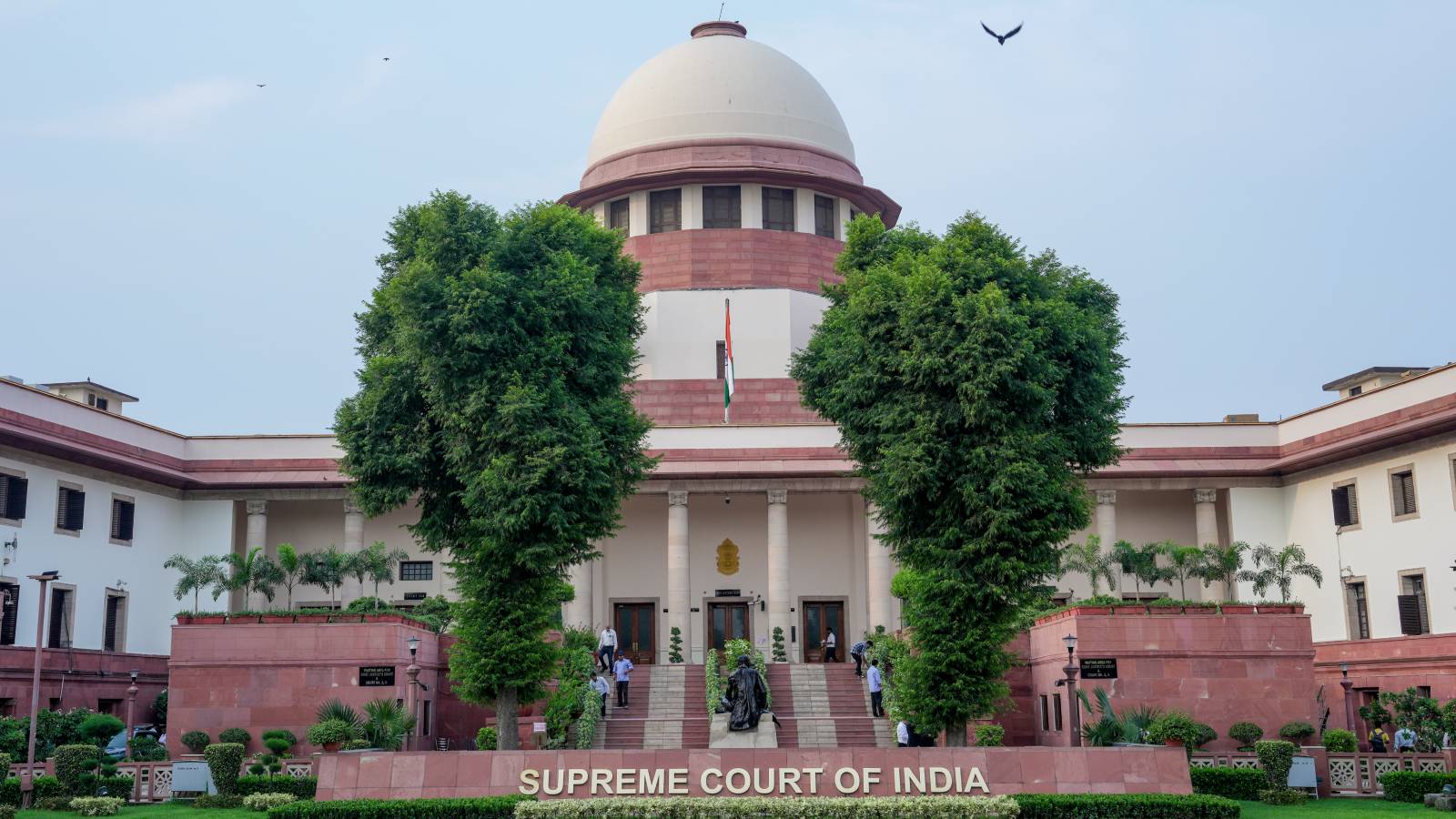
On November 20, 2026, the Supreme Court, while staying the Madras High Court’s findings in the Thirupparankundram hill lamp dispute, permitted a limited, one-time lighting of the Karthigai Deepam lamp at the Deepathoon (stone pillar) on November 24, subject to strict conditions.
The apex court clarified that the temporary arrangement did not recognise an established custom, determine an essential religious practice or prejudice final decisions on ownership and access.
The BJP and Hindu organisations welcomed the verdict as a victory for dharma and devotees’ constitutional rights, accusing rival political parties of creating legal hurdles for Hindu traditions for electoral gains.
Also Read:
The DMK and several other parties, including the Left, Manithaneya Makkal Katchi (MMK) and Social Democratic Party of India (SDPI), have expressed concern over the order and warned against setting a precedent while questions over the site’s ownership and history remain unresolved.
On Saturday, AIADMK leader and former minister Dindigul Sreenivasan welcomed the Supreme Court’s decision, stating that “justice has prevailed” and that the divine presence had been proved.
VCK opposes implementation of Supreme Court order
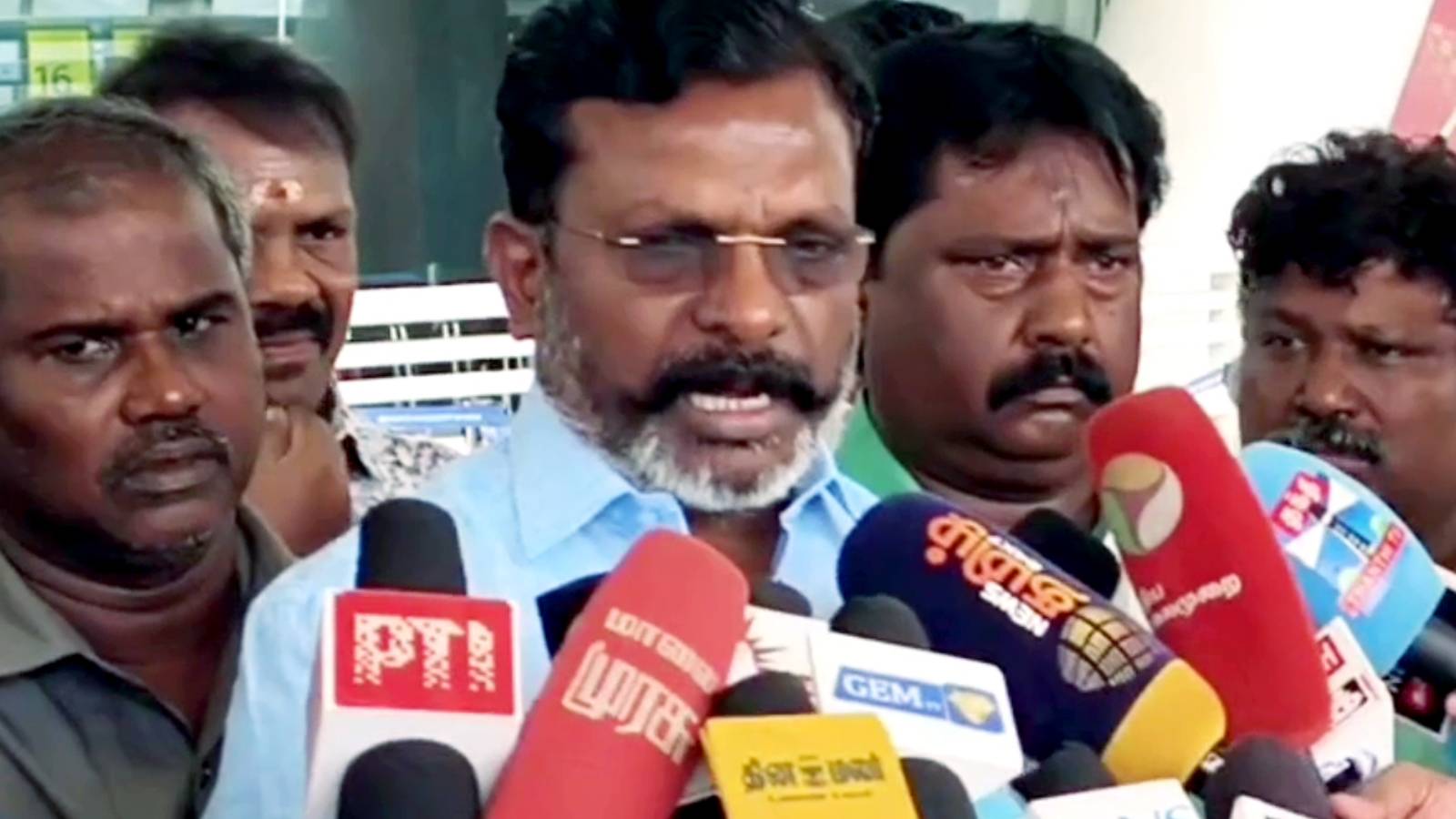
VCK chief Thol Thirumavalavan reiterated that his party was firmly opposed to lighting the lamp on the stone pillar and maintained that the Supreme Court’s interim order should not be implemented.
In a statement, Thirumavalavan clarified that the VCK did not agree with the court’s position and completely opposed the directive.
He also expressed regret that his earlier statement had been worded in a manner that suggested the party was open to lighting the lamp at the Deepathoon.
Thirumavalavan said his earlier advice that the government should exercise caution was intended to acknowledge the difficult position of officials, who could not defy a Supreme Court directive, and to prevent possible violence. It was not an endorsement of the lighting of the lamp, he clarified.
“The VCK does not agree with this stance of the Supreme Court in the slightest. We completely oppose it. Our stance is that this should not be implemented. At the same time, since the district Collector or higher officials have been pushed into a predicament where they cannot defy the Supreme Court’s directive, we had mentioned in our statement that if they proceed to implement it, the government must remain extremely cautious. However, I regret that the statement was phrased in a way that implied the lamp could be lit on the stone pillar,” he said.
He said the remark was made only in anticipation of the practical challenges involved and out of concern that the situation could lead to celebratory violence by religious groups.
“Therefore, I wish to clarify to the Viduthalai Chiruthaigal cadres, who are the very life of my life, and to our well-wishing allied forces not to misunderstand this negatively. I also request that you pay no heed to the distorted narratives being spread against us as usual,” he said.
CPI(M) seeks review of interim order
CPI(M) state secretary P Shanmugam criticised the Supreme Court’s interim order, describing it as “condemnable”.
He urged the Tamil Nadu government to file a review petition against the decision permitting the lamp to be lit on the stone pillar on a one-time basis.
Social Justice Minister Vanni Arasu also questioned the ruling, describing it as “confusing and unacceptable”.
He argued that the issue should have been dealt with as a civil dispute.
Speaking to reporters, Vanni Arasu said the verdict was unacceptable as it created confusion. He contended that the court’s observations about lighting lamps at multiple places deviated from the central question of whether the pillar was meant for lighting lamps.