


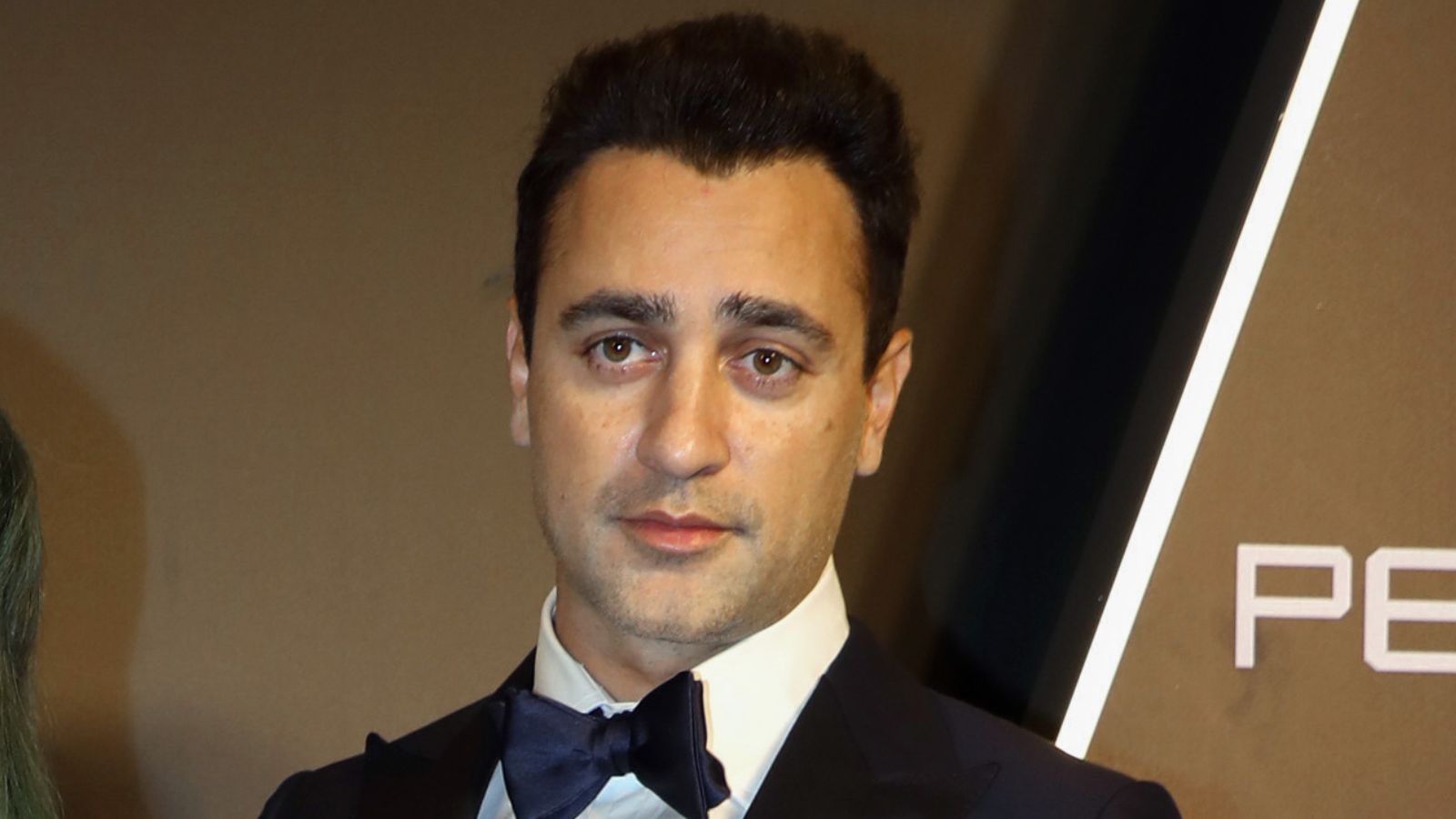


Let's set aside the legality of actor Imran Khan's involvement in political activism in the country, given his status as an Overseas Citizen of India (OCI).
The nephew of Bollywood superstar Aamir Khan is an American citizen, but he holds an OCI card, which makes him eligible for lifelong visa-free travel in India, as well as certain benefits comparable to those of Non-Resident Indians.
Whether he violated the provisions of the Immigration and Foreigners Act, 2025, by attending a Cockroach Janta Party (CJP) protest in Mumbai's August Kranti Maidan on October 10, demanding the resignation of Chief Election Commissioner Gyanesh Kumar over alleged irregularities in electoral reforms, is up for debate.
Also Read:
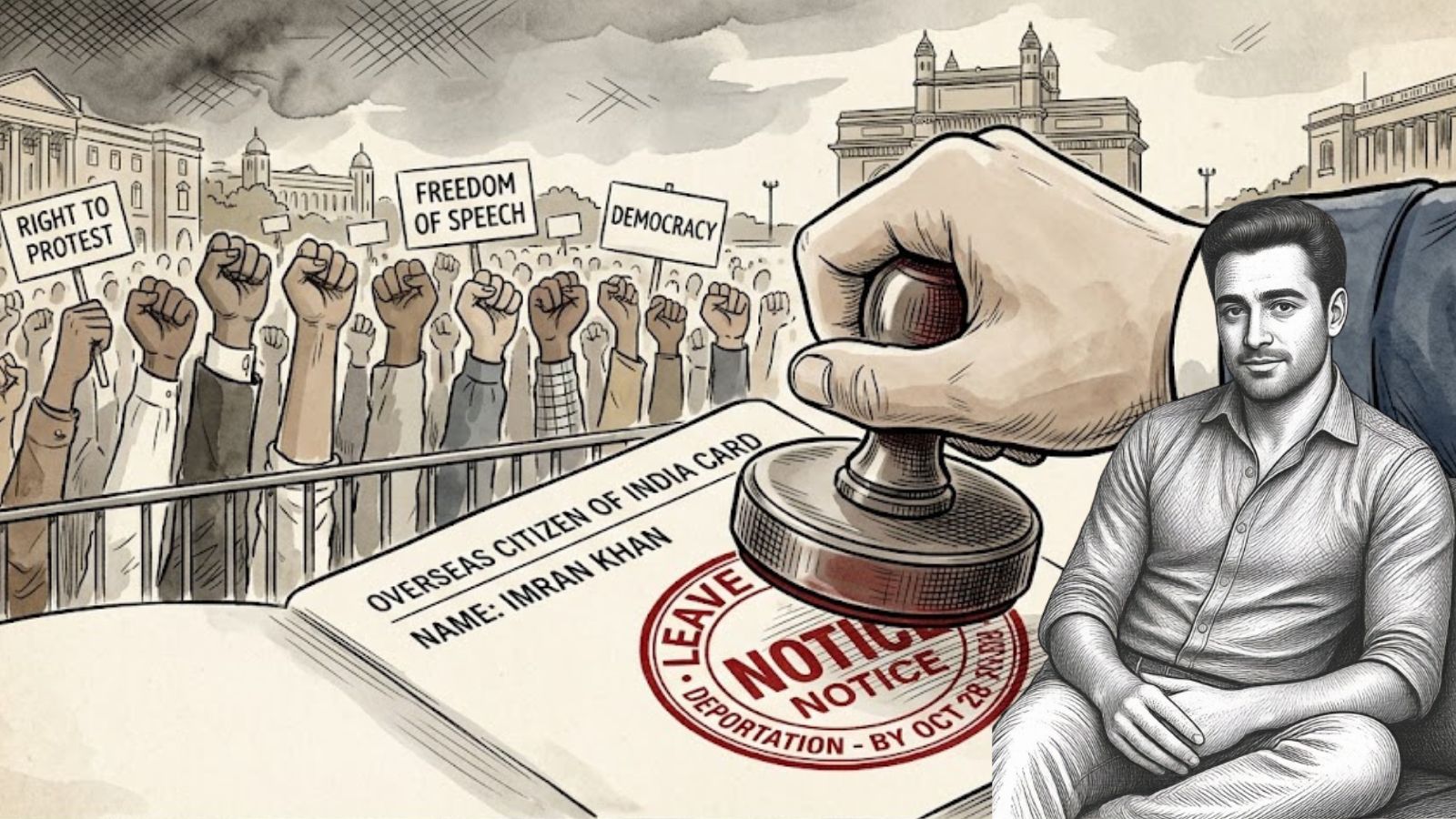
Regardless, Khan was brave, calm and determined even as the Mumbai Police detained him. Those qualities might be considered threatening in politics but are highly valued on a football pitch. Indian football would love to have a midfielder like Imran Khan, who is brave with and without the ball, calm under pressure, and determined to succeed.
Even if Khan's legal team manages to nullify the notice served by the Foreigners Regional Registration Office, prolonging his stay in the country past the deadline of October 28, and a court of law allows him to continue with peaceful protests, the Indian national football team won't get an OCI midfielder.
Also Read:
Why can't OCIs play for India?
According to the Ministry of Home Affairs, an OCI cardholder is a foreign national holding the passport of another country, which in itself disqualifies them from representing the national sports teams.
The country's sports policy requires a player based abroad to renounce his or her foreign nationality and naturalise.
Moreover, citizenship alone does not automatically make a player eligible, as he or she must meet FIFA rules concerning nationality and switching of association.
Under the current rules, India does not allow dual citizenship. Overseas-born players who played for the Indian football team had to give up their foreign passport to play for the national team. Arata Izumi gave up his Japanese passport to play for India in 2013, and Ryan Williams accepted Indian citizenship by giving up his Australian passport last year.

Earlier this year, there were reports that the Sports Ministry had sent a proposal to the government to consider introducing a Sports Passport to boost India's various national teams.
The All India Football Federation President, Kalyan Chaubey, said a few years ago that they would set up a task force to explore the eligibility of OCI players. The AIFF also encouraged Indian Super League clubs to include OCI players in their squads, though such players would still be treated as foreigners.
Is India missing out?
There is a healthy network of players in the Indian diaspora who could become eligible for the Indian team if there is a change in policy.
English footballers Danny Batth, Dilan Markanday, Brandon Khela, Canadian Jeevan Badwal, and Joshua Pynadath of the USA are some of the overseas-based footballers with Indian roots who might strengthen the prospects of the national team.
While Indian football waits on the government nod to bring in OCI players, a few other Asian countries have already adopted the policy.
Last year, former English Premier League player Hamza Choudhury made his debut for the Bangladesh national team. He became eligible for Bangladesh because his mother hails from there. Bangladesh allows dual citizenship, paving the way for Choudhury's switch. Choudhury made an impact on debut by shoring up the Bangladesh midfield, which held firm against India in a goalless draw in an AFC Asian Cup qualifier last March.
The Philippines and Indonesia have improved considerably by bringing in eligible players from abroad. Earlier this year, Indonesia made history by progressing to the final 12 in the Asian qualifiers for the World Cup.
Since slipping below the rank of 100 (ranked 99) in July 2023, the Indian men's football team have dropped considerably and are currently ranked 138th in the world.
Written by Arun George