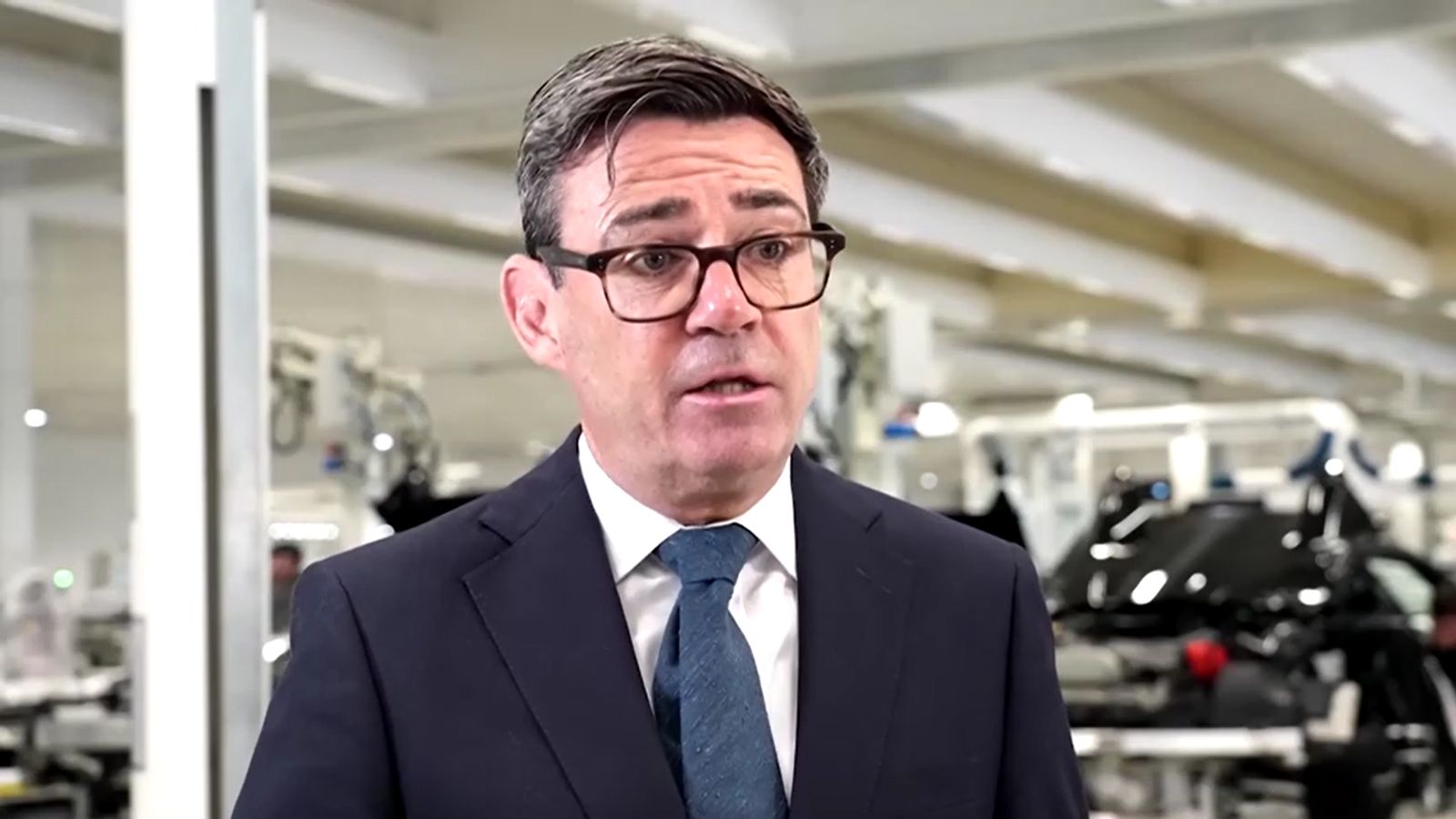


London: UK Prime Minister Andy Burnham says his government will consider apologising for the first time for its role in the transatlantic slave trade as it seeks to strengthen relations with countries in Africa and the Caribbean.
Writing in The Guardian on Saturday, Burnham said Britain needed to acknowledge its ‘complicated history’ to protect the Commonwealth, an association of 56 independent nations that grew out of the British Empire. Burnham travels to Antigua and Barbuda next week for a meeting of Commonwealth leaders.
“For years, those members of the Commonwealth affected by the slave trade have asked for an honest conversation about the legacies of slavery,” Burnham said. “By sticking our heads in the sand, we have damaged the ability of the Commonwealth to function.”
Burnham said his government was offering to begin a ‘structured dialogue’ with those affected by slavery and would listen to calls for a formal apology by the British state. However, he said Britain would continue to resist calls to pay reparations for the slave trade.
“I do not think that British people today can be held liable for historical wrongs, however heinous, that happened in a different age under different laws and in which they played no personal part,” Burnham said.
Instead, the prime minister said he wanted to address issues facing the Commonwealth and other nations today, including the high levels of debt many developing countries face.
Burnham said he would work with other wealthy nations and investors to help vulnerable countries repay their debts over longer periods and at lower interest rates. Former Prime Minister Gordon Brown, a champion of debt relief for developing nations, will attend the Commonwealth meeting to help advance the initiative, he said.
King Charles III faced calls for Britain to apologise and pay reparations during the first phase of a nine-day trip to the Caribbean, which will conclude with the Commonwealth Heads of Government Meeting in St John's, the capital of Antigua and Barbuda, from Sunday to Wednesday.
Speaking in Nassau, the capital of the Bahamas, on Tuesday, Charles acknowledged ‘the great suffering and injustices of the past’ but stopped short of apologising.
The king had until now been prevented from going further because it was government policy not to apologise for the country's role in the slave trade. As Britain's constitutional monarch, he speaks on behalf of the elected government.
Burnham's comments come as Britain seeks to strengthen relations with its traditional Commonwealth allies amid economic, environmental and military challenges worldwide.
A change in the government's position could also appeal to younger, more liberal voters at home, where activists have called for Britain to re-examine the legacy of its colonial history.
In 2020, anti-racism protesters in Bristol pulled down a statue of Edward Colston, an English merchant and politician, saying the city should no longer glorify the life of a slave trader. Colston was a deputy governor of the Royal African Company, which shipped thousands of enslaved people to English colonies in the Americas.
The descendants of some British people who profited from the slave trade have already apologised and offered compensation. They include the owner of The Guardian, a liberal newspaper where leaders of Burnham's Labour Party often outline policy initiatives.
UK politicians have traditionally focused on the country's role in banning the slave trade in 1807 and outlawing slavery throughout the British Empire in 1833.
But Burnham said it was now time for the country to acknowledge the other side of the story as well.
“We are a country where brave people led the way in abolishing slavery, but we are also a country that participated in the trade in human lives,” he said.
“The transatlantic slave trade was a brutal and barbaric violation of those people. … I want to express my sorrow and regret for the pain and suffering of so many millions of people, and to recognise the way it still shapes our world today.”