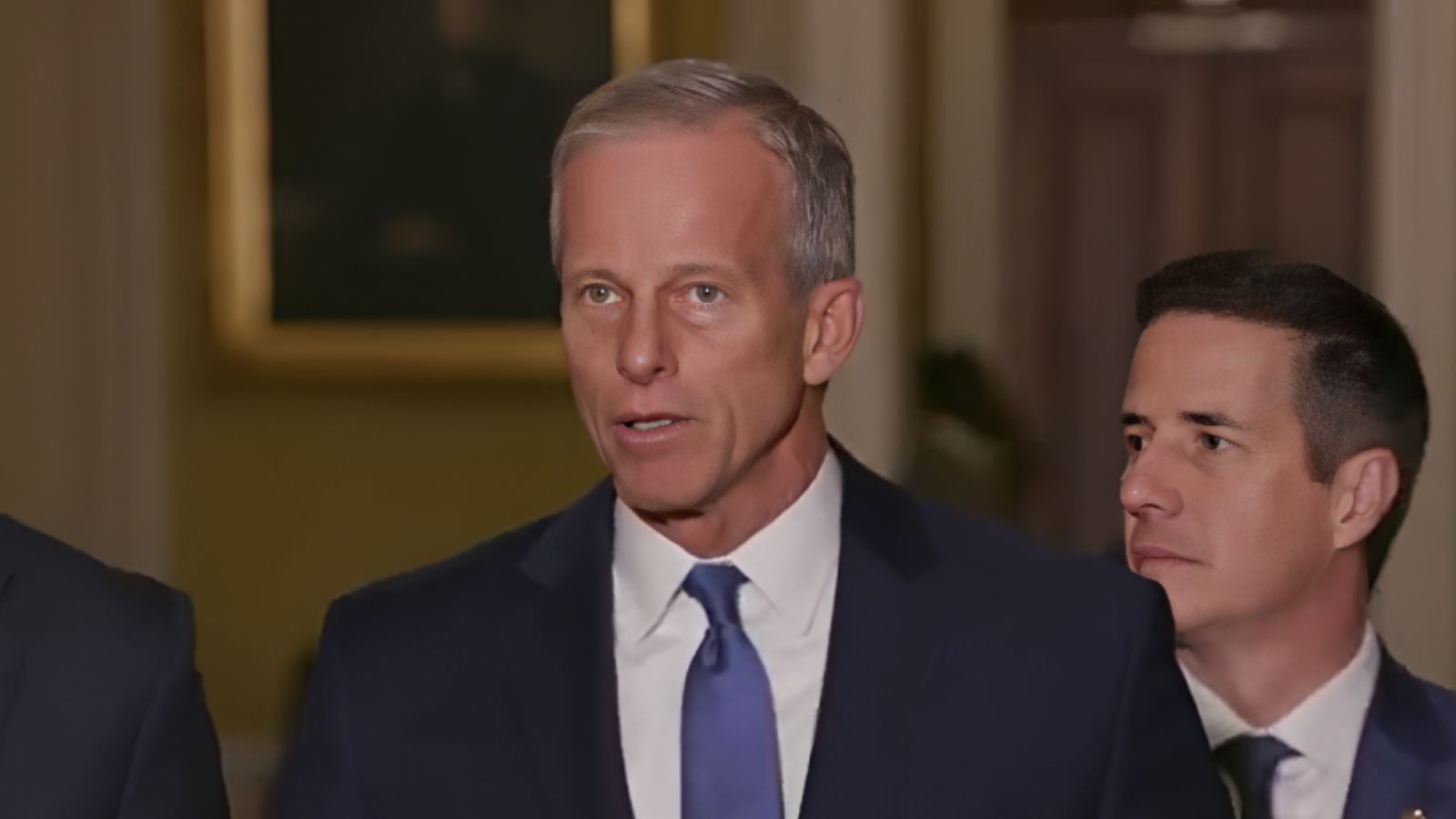


Washington: US Senate Republicans have re-elected South Dakota Senator John Thune as their leader following a day of tense discussions over the party's steep losses in the midterm elections, which cost them their majority.
Thune was widely expected to retain the position, given his popularity among Republican colleagues and the absence of any challenger in the secret-ballot election. However, the result followed three separate closed-door meetings in which senators voiced frustration over the election outcome.
Some Republicans had sought to delay the leadership vote. However, the conference voted 31-15 to proceed with the election. Wisconsin Senator Ron Johnson, who led the effort to postpone the decision, walked out after the proposal failed.
Also Read:
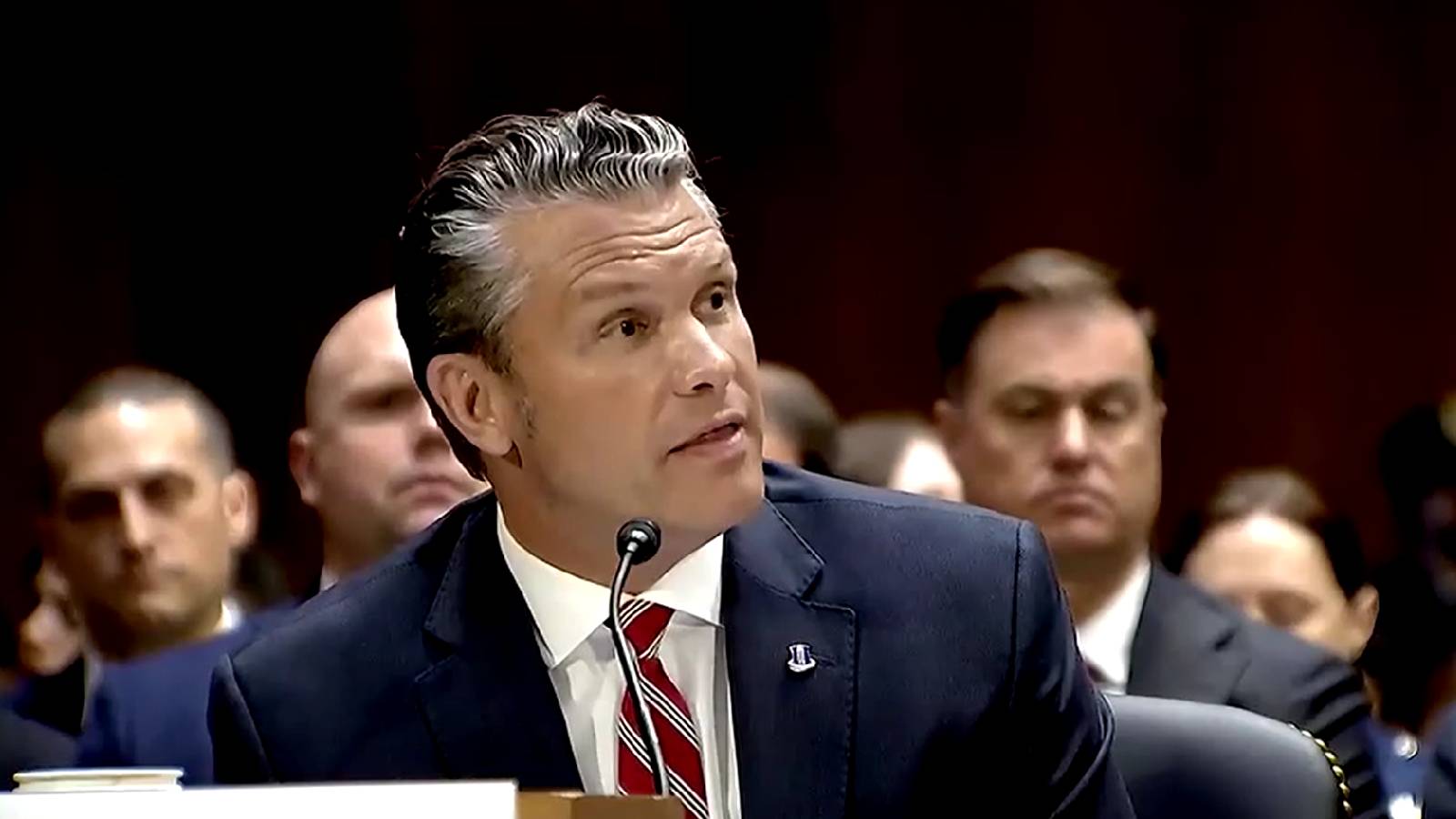
The meetings were held in the Old Senate Chamber, with only a few aides present.
During discussions earlier in the day, West Virginia Senator Jim Justice said Republicans wanted to be thoughtful and make the right decision.
"There is a legitimate argument that, good gracious, if we lost as badly as we lost, why would we continue on with the same leadership?" he said.
However, Justice also defended the current leadership, saying it had not caused the party's election setback and had performed well.
The debate reflected growing unease within the Republican Party as lawmakers began assessing the implications of the results for their future and their relationship with US President Donald Trump. Voters rejected two years of Republican control of both chambers of Congress and the White House. Two Senate races in Alaska and Mississippi also remained uncalled, potentially further reducing the party's numbers.
Missouri Senator Josh Hawley, who voted to delay the leadership election, questioned the decision to retain the existing leadership without further discussion.
"I just think that we've got a lot of things that we've got to think through, and I think that to just rush into this and just ratify all of the same leadership, what message does that send?" he told reporters after the first meeting.
He added that Republicans needed to change course after losing at least seven Senate seats.
"If you don't think after losing seven Senate seats minimum that we need to change course, I don't know what planet you're on," Hawley said.
However, other senators argued that the leadership was not responsible for the losses. West Virginia Senator Shelley Moore Capito said she did not believe the setback was the fault of the party's leadership. She was also re-elected to her position as Republican policy chair.
Before the meeting, Thune had said the conference would hold a "very fulsome, robust conversation about where we go from here" before reaching a decision.
No alternative candidate emerged. Hawley described the discussion as frank and honest, with senators also reflecting on their individual election campaigns.
Republicans also urged Thune to keep the Senate in session around the clock in the coming weeks to push through war spending and other party priorities before they lose power in January.
"We need a plan to get the Republican agenda done," Florida Senator Rick Scott said.
Also Read:

Johnson had circulated a letter calling for the leadership election to be postponed, arguing that the party needed to undertake some "real soul-searching". He also acknowledged that no other candidate was on the ballot.
Oklahoma Senator Jim Lankford said there was widespread support for Thune, pointing to his willingness to listen to different viewpoints and maintain close relationships with Republican senators.
Lankford supported holding the election on Tuesday, noting that several newly elected Republican senators were already in Washington for freshman orientation.
South Dakota Senator Mike Rounds also said most members were ready to move forward, adding that the party needed to have its leadership in place.
Thune's relationship with Trump
Thune has spent much of his two years as Republican leader managing his relationship with Trump, who has frequently disagreed with the Senate.
Although he has supported most of the president's policies, Thune has refused to change Senate rules or abolish the filibuster to pass voting legislation that would require proof of citizenship from all voters. The position has frustrated Trump and angered some members of the president's political base.
However, Trump hosted Thune and his family at the White House in October and described the Republican leader as "a very fine man" on Monday. He also said the leadership election was a matter for the Senate to decide.
The internal discussions come as lawmakers seek to complete the year's legislative work, including funding the government and advancing issues that could attract bipartisan support. An energy permitting bill, for instance, moved forward with bipartisan backing on Monday evening.
Thune has highlighted his collaborative approach and pointed to Republican achievements over the past year, including Trump's sweeping tax and spending cuts legislation and efforts to reform the annual government spending process.
In his first extended remarks since the election, delivered in a Senate floor speech on Monday, Thune described the result as a "tough night" and outlined how Republicans would approach their transition into the minority.
He said Republicans would be willing to work with Democrats but added that "the American people are not looking for socialist government and leftist fantasies."