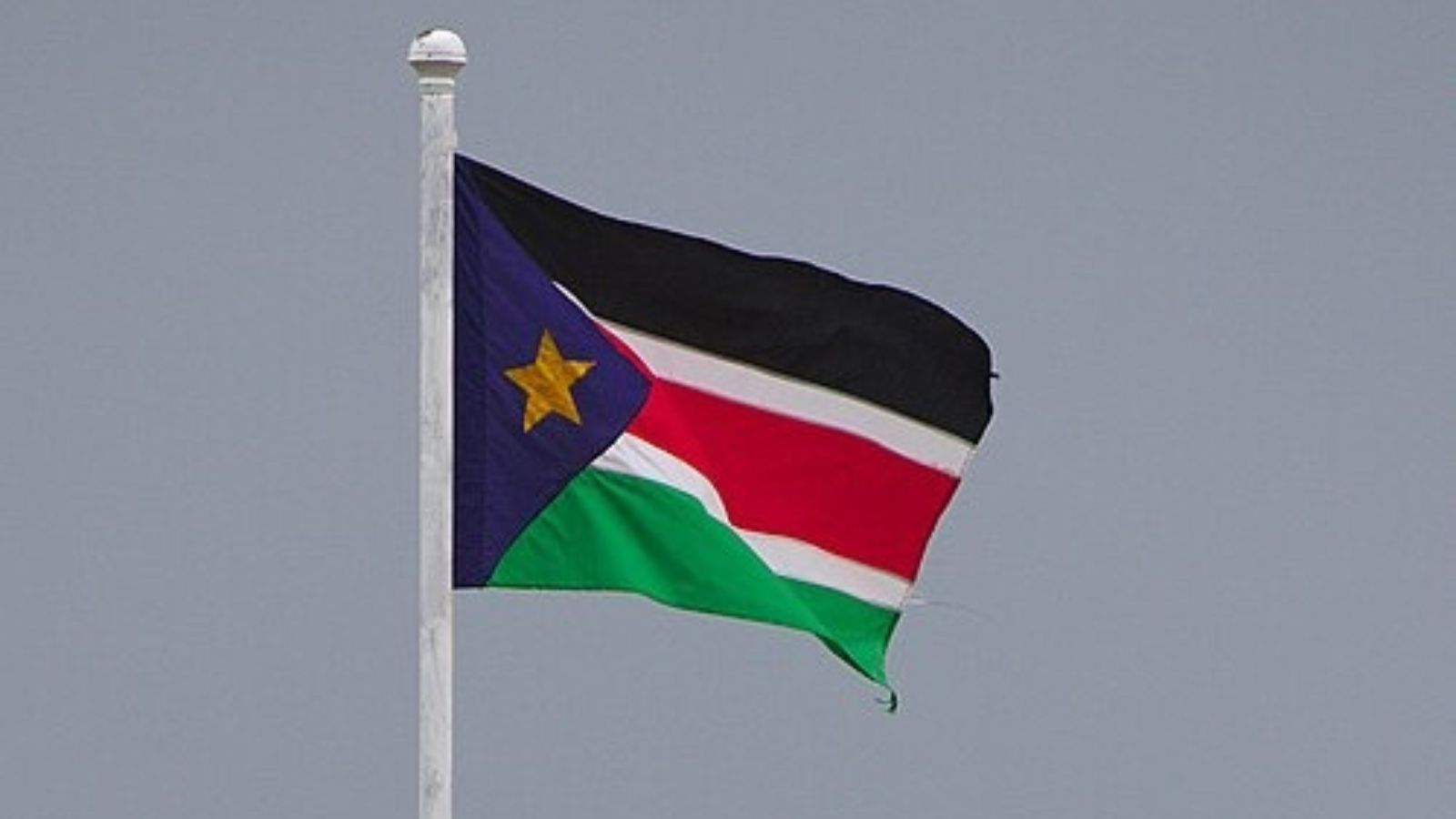


Juba, South Sudan: Migrants deported by the Trump administration to countries other than their own have endured hunger, thirst, and other deprivations while being detained indefinitely in places with poor human rights records and little oversight.
For those sent to South Sudan, the ordeal has also involved alleged financial exploitation, with guards soliciting thousands of dollars from detainees' families by claiming the money would be used to improve conditions for their relatives. Instead, the guards pocketed most of it, families said, while detainees went days without food or clean water and months without communication.
“They used our desperate situation,” said Ngoc Phan, a US citizen whose husband, Tuan Phan, had been detained in South Sudan for nearly a year before being repatriated to Vietnam in June. “If that's not exploitation, I don't know what is.”
Ngoc Phan said she paid roughly $4,000 for food, water and a cellphone. Each time she sent money, her husband said, guards gave him a few bananas, apples and some peanuts.
Tuan Phan, 44, said he lost 20 pounds while being held at a gated three-storey building in Juba, the capital. He described deteriorating conditions, including shortages of food, drinking water and basic supplies, as well as week-long power cuts and plumbing failures.
“I feared for my life every day I was there,” he said.
Phan also described incidents of alleged mistreatment. One detainee was struck in the face by a guard after asking for a window to be opened, while another was locked in his room for days after complaining about a lack of soap.
The Associated Press interviewed Phan and six other people familiar with the treatment of detainees in South Sudan, including relatives and lawyers. Most spoke on condition of anonymity for fear of retaliation against the detainees. AP also reviewed money-transfer receipts and messages between guards and four detainees' relatives.
South Sudan's Foreign Ministry said detainees receive adequate food, water and medical care, and are allowed regular contact with relatives and lawyers. It said the government pays all associated costs while working to resolve their individual cases.
Migrants deported to a country beset by severe poverty and corruption
Under a series of murky agreements, the Trump administration has deported thousands of people to more than 30 countries that are not their own, advocates say, as part of its broad immigration crackdown. Many were asylum seekers with US court orders protecting them from being returned to their home countries because they could face persecution or torture.
The countries receiving deportees have secured agreements involving millions of dollars in US payments or sought goodwill in negotiations over trade, migration or aid, documents show. South Sudan sought sanctions relief and other concessions, although details of the arrangement remain unclear.
In July 2025, after a legal battle that ended with a Supreme Court ruling, Phan and seven other migrants with criminal convictions — including for murder and sexual assault — were deported to South Sudan. The men were originally from Mexico, Cuba, Vietnam, Laos, Myanmar and South Sudan. In a press release announcing their expulsion, the Trump administration described them as “barbaric criminal illegal aliens”.
All eight had completed their sentences in the US before being taken into immigration custody.
The Trump administration defends the policy as a way to quickly deport migrants who have final removal orders but whose home countries refuse to accept them.
Alma David, a lawyer representing one of the detainees still in Juba, said her client had been arbitrarily detained for more than a year without being charged with a crime.
“These are people who had lives and friends and families and who were scooped up and flown to a faraway country and locked up,” she said.
South Sudan says the US has relinquished responsibility
Relatives and lawyers of detainees still in South Sudan say they have little faith that the detention will end or conditions will improve without pressure from the US government or international organisations.
The Trump administration has signalled it has no intention of getting involved, while UN agencies say they are unable to help.
A US congressional aide said embassy staff in Juba had been instructed by the Trump administration not to visit the detainees or follow up on their treatment. The aide, who discussed the matter with embassy staff during a visit in August 2025, spoke on condition of anonymity because they were not authorised to speak to the media.
The US embassy referred questions to the State Department, whose spokesperson did not address whether the embassy had received such instructions.
A spokesperson for the UN's International Organisation for Migration said the agency could not intervene without a request from South Sudan.
In a statement, South Sudan's Foreign Ministry said the US “fully relinquished responsibility and no longer has any legal jurisdiction over, or ties to, these individuals.”