

The Cauvery water dispute is one of India's longest-running inter-state river disputes, involving Karnataka and Tamil Nadu over the sharing of the Cauvery River's waters. For more than a century, the two states have repeatedly clashed over how much water should be released, particularly during years of poor rainfall, with the issue often triggering political confrontations, legal battles and public protests.
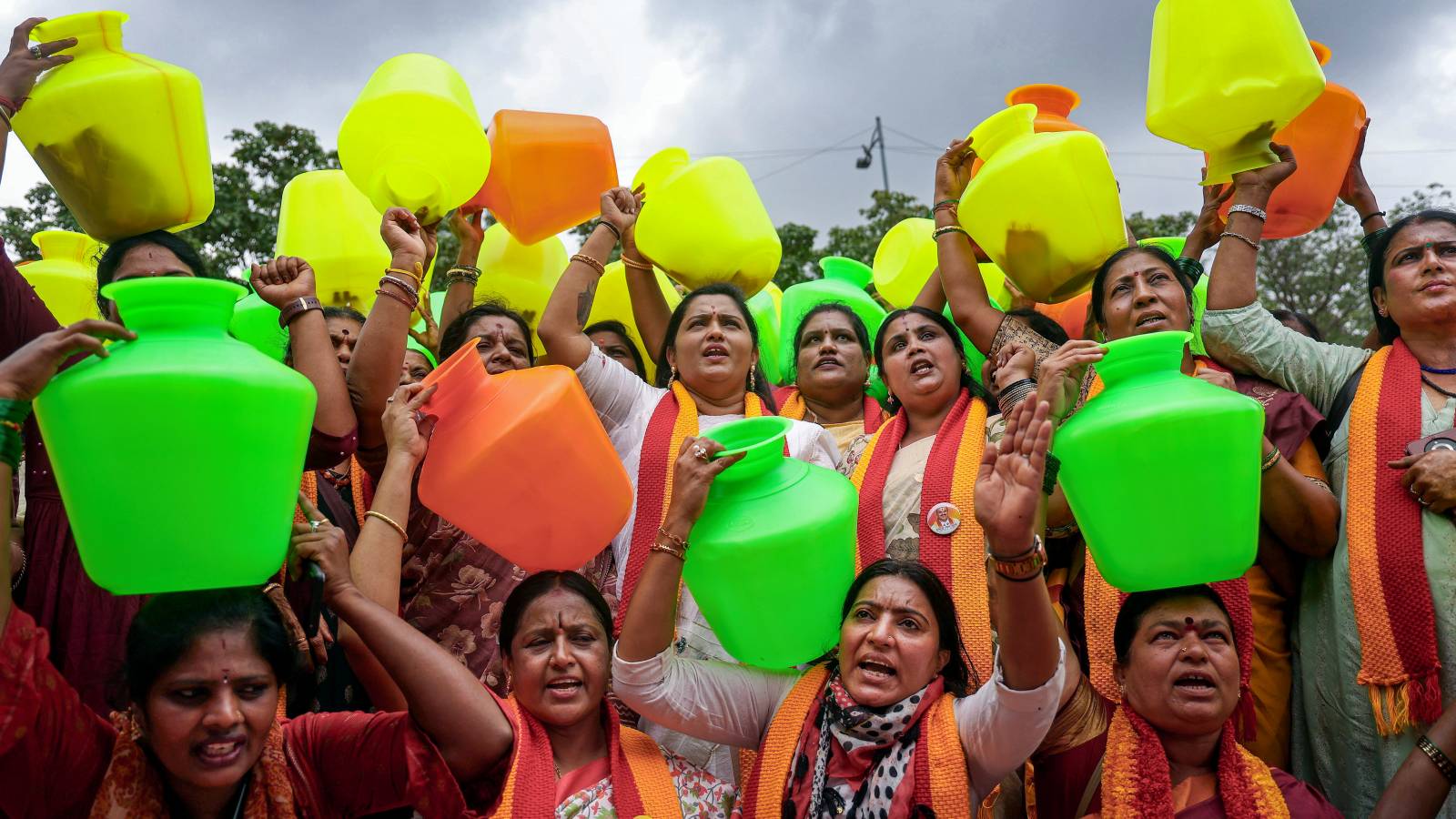
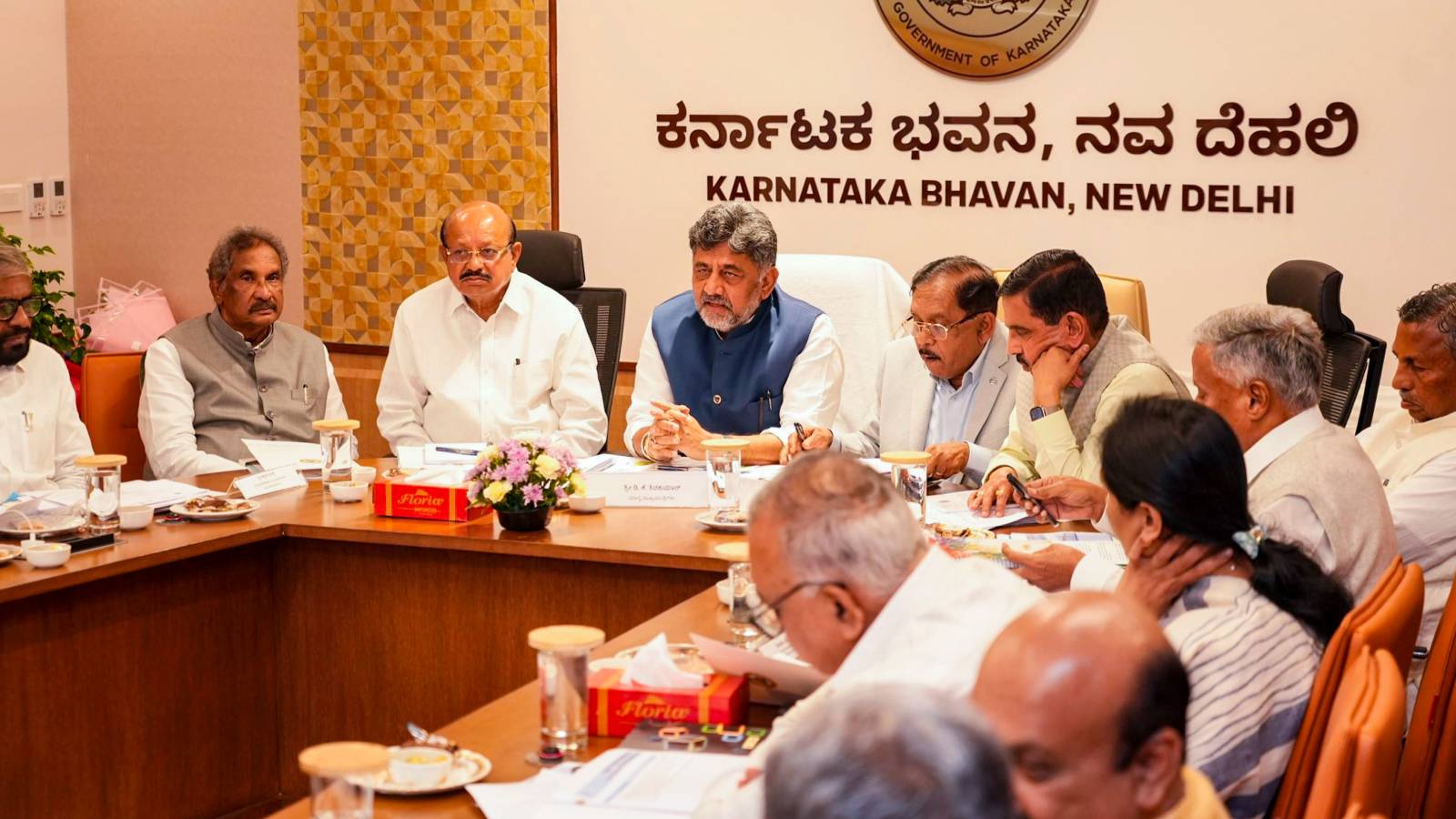
The dispute has once again come into focus after the Cauvery Water Regulation Committee (CWRC) directed Karnataka to release 3,500 cusecs of water to Tamil Nadu for 15 days from July 29. Karnataka, however, has said it is unable to comply with the order, arguing that low reservoir levels due to below-average rainfall have left it with barely enough water to meet drinking water requirements.
According to the state government, the cumulative inflow into the four Cauvery reservoirs was 65.86 per cent below the 30-year average between June 1 and July 27, 2026. It also told the CWRC that the existing storage is barely sufficient to meet upcoming domestic drinking water needs.
At the same time, Karnataka has maintained that Tamil Nadu has adequate water in its reservoirs and is not facing any shortage.
History
The Cauvery River, often referred to as the 'Ganga of South India', originates from Brahmagiri Hill in the Western Ghats of Karnataka. The Cauvery basin spans 81,155 square kilometres across Karnataka (34,273 sq km), Tamil Nadu (43,856 sq km), Kerala (2,866 sq km) and the Union Territory of Puducherry (160 sq km).
The dispute dates back to 1807, when the Madras Presidency wrote to the princely State of Mysore regarding the use of water from the Cauvery River.
A major breakthrough came in 1924, when the Madras Presidency and the Princely State of Mysore signed an agreement on sharing the river's waters. Under the agreement, the Madras Presidency was entitled to 75 per cent of the surplus Cauvery water, Mysore received 23 per cent, and the remainder was allocated to Travancore-Cochin. Following the agreement, two major dams — the Krishna Raja Sagar (KRS) Dam in Karnataka and the Mettur Dam in Tamil Nadu — were constructed.
Also Read:
Key incidents
1990: The Union government constituted the Cauvery Water Disputes Tribunal (CWDT). The tribunal directed Karnataka to release 205 tmcft of water annually to Tamil Nadu and laid down weekly and monthly schedules for water release. It also directed Karnataka to irrigate only 1.12 million hectares of agricultural land using Cauvery water.
1995: Prime Minister P. V. Narasimha Rao convened a meeting of the chief ministers in December, following which Karnataka agreed to release 6 tmcft of water to Tamil Nadu.
1998: The Union government established the Cauvery River Authority (CRA).
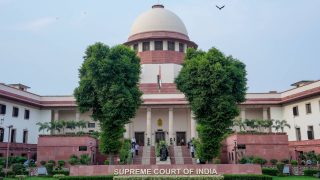
2002: Karnataka protested against a Supreme Court order directing the state to release 1.25 tmcft of water daily to Tamil Nadu.
2007: The CWDT delivered its final award on February 5, allocating 419 tmcft of water to Tamil Nadu, 270 tmcft to Karnataka, 30 tmcft to Kerala and 7 tmcft to Puducherry.
2012: On September 19, the CRA directed Karnataka to release 9,000 cusecs of water per day to Tamil Nadu. Karnataka filed a review petition in the Supreme Court, citing drought conditions in the state. The order also triggered fresh protests across Karnataka.
2013: The Union government notified the final award of the CWDT, confirming the annual allocation of 740 tmcft of water among the four stakeholders.
2016: Fresh protests erupted in Karnataka after the Supreme Court directed the state to release 15,000 cusecs of water per day to Tamil Nadu for 10 days beginning September 5. Two people were killed during riots that broke out amid a bandh called by pro-Kannada organisations.
2018: On June 1, the Union government established the Cauvery Water Management Authority (CWMA) as the statutory body to oversee the implementation of the tribunal's award. The Cauvery Water Regulation Committee (CWRC) was also constituted. Earlier, on February 16, the Supreme Court modified the water allocation, awarding 404.25 tmcft to Tamil Nadu and 284.75 tmcft to Karnataka, while leaving the allocations for Kerala and Puducherry unchanged.
2023: Protests erupted in both Karnataka and Tamil Nadu over the water-sharing issue. Tamil Nadu moved the Supreme Court with a contempt petition after Karnataka allegedly failed to comply with the CWMA's direction to release 5,000 cusecs of water per day for 15 days.
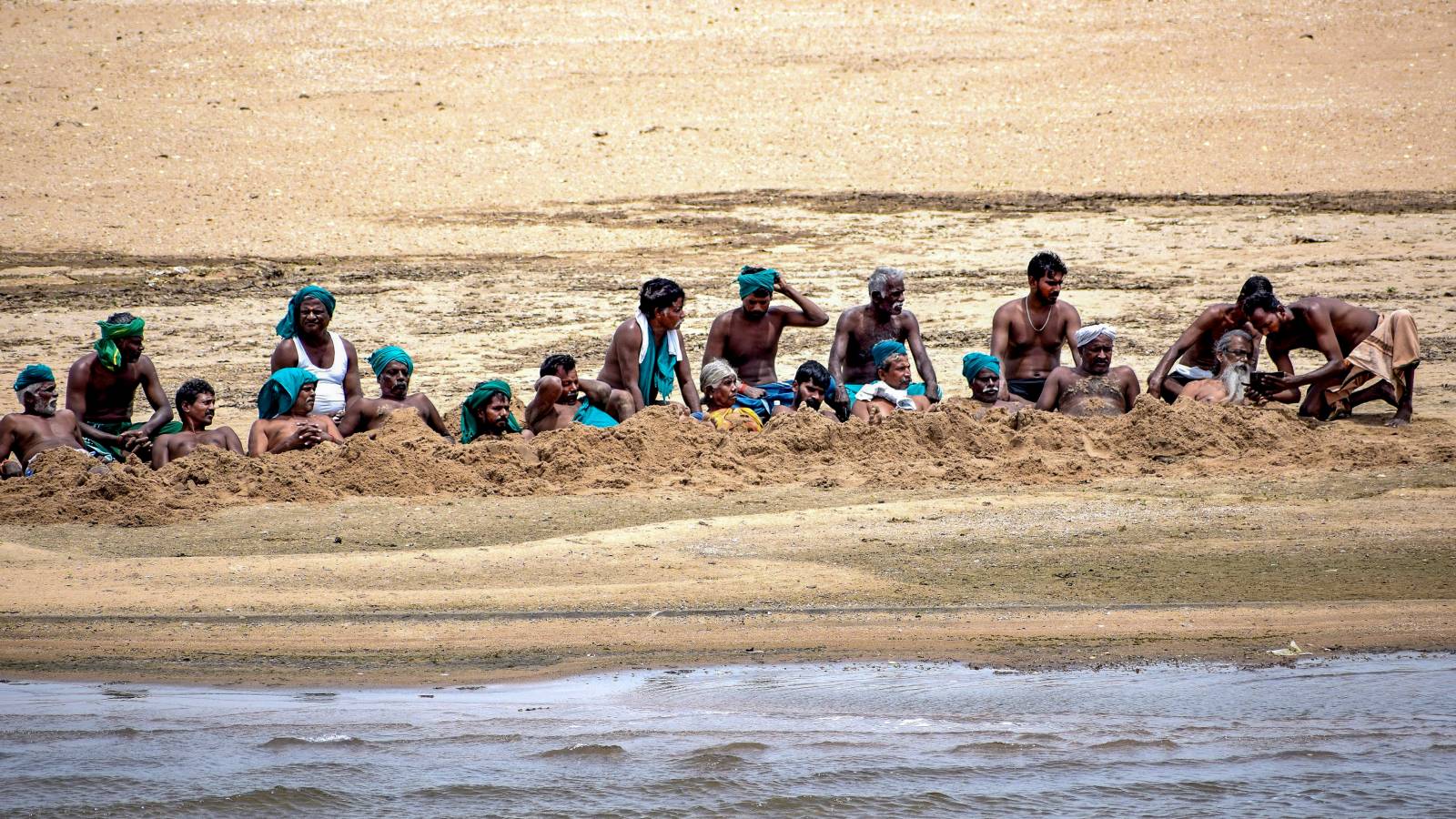
2026: The dispute resurfaced after the Tamil Nadu Assembly unanimously adopted a resolution on June 19 opposing Karnataka's proposed Mekedatu dam project. Tamil Nadu Chief Minister C Joseph Vijay wrote to Prime Minister Narendra Modi, seeking the Centre's intervention to stop the project. In July, farmers and pro-Kannada organisations staged protests across Karnataka after the CWRC directed the state to release 3,500 cusecs (4.5 tmcft) of water per day to Tamil Nadu for 15 days beginning July 29.