

A play about the life, imprisonment and death of theatre artist Snehalatha Reddy has triggered a controversy in Kerala after a clip from the production was circulated widely on social media. The clip, which showed an actress in limited clothing performing a scene depicting the humiliation and torture Reddy endured in prison, was shared without the broader context of the play.
The production, titled 'MISA', was staged as part of the Democratic Youth Federation of India’s (DYFI) 16th State Conference in Thrissur. The play, conceptualised and performed by Kozhikode-based Chilanka Floating Theatre, has since faced criticism over the scene and allegations of obscenity. The makers and supporters of the play, however, have argued that the viral clip reduced a political and historical narrative about custodial torture to a debate about a woman’s clothing.
And this is where another artist’s work becomes relevant.
In 1974, Serbian performance artist Marina Abramović staged Rhythm 0. For six hours, she stood still in front of an audience with 72 objects placed beside her. The audience was told that they could use any of the objects on her, while she would take full responsibility for whatever happened.
What began with hesitation and curiosity gradually turned violent. By the end of the performance, members of the audience had cut her clothes, exposed her body and even pointed a loaded gun at her.
The performance later became an important reference point in discussions about mob mentality, dehumanisation and how quickly a crowd can cross the boundaries of ordinary behaviour.
More than five decades later, the controversy around MISA raises a different but related question: when an artistic depiction of violence, humiliation or political repression is stripped of its context, what remains?
But before debating anything else, let's understand who Snehalatha Reddy is.
Who was Snehalatha Reddy?
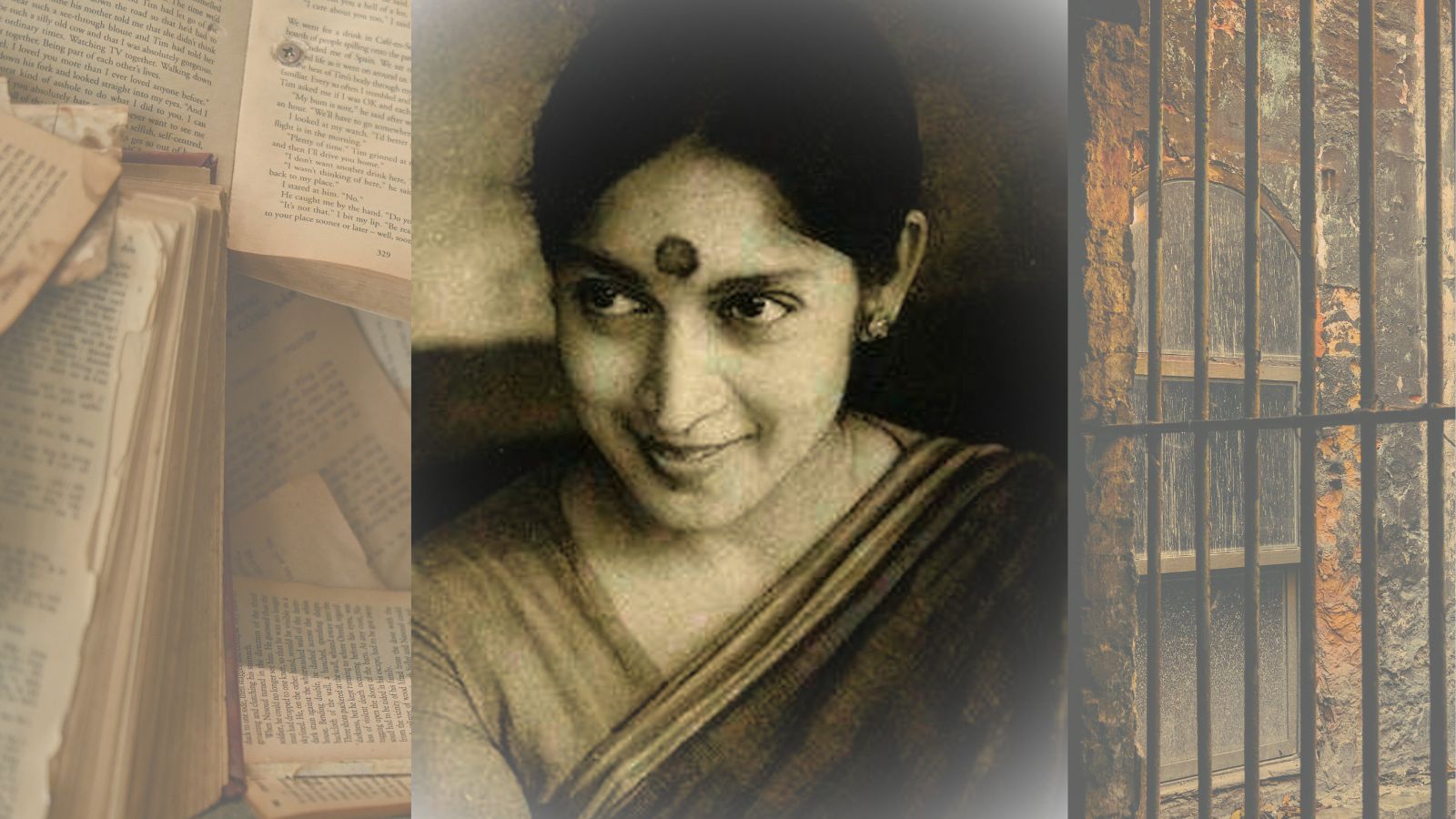
Snehalatha Reddy was an actor, theatre artist and political activist who was closely associated with the Madras Players and Kannada theatre and cinema. She was best known for her role as Chandri in the National Award-winning 1970 film Samskara, directed by Pattabhi Rama Reddy and based on UR Ananthamurthy’s novel.
She was also associated with the Madras Players, an amateur theatre group that staged adaptations of international classics. Reddy worked as an actor and theatre practitioner and was politically influenced by the socialist ideas of Ram Manohar Lohia.
During the Emergency imposed by Prime Minister Indira Gandhi in 1975, Reddy was associated with the opposition to the regime and was connected to George Fernandes, who was accused in the Baroda Dynamite Case.
In May 1976, Reddy was arrested and detained under the Maintenance of Internal Security Act, or MISA. She was held in Bangalore Central Jail without trial. MISA gave the government sweeping powers of preventive detention and was later repealed in 1978.
Reddy was a chronic asthma patient. During her detention, she complained about her health and the conditions in prison. Her prison diary records her experiences and describes the treatment of prisoners and the conditions she endured. A Prison Diary was published by the Human Rights Committee, Karnataka State, in 1977.
The diary contains accounts of harassment, fear, poor prison conditions and the difficulties she faced in accessing adequate medical care. Official records also acknowledge that Reddy was asthmatic and that her health deteriorated during her detention.
Later, political leaders who were themselves imprisoned during the Emergency, including Atal Bihari Vajpayee and LK Advani, recalled hearing the cries of a woman prisoner. They later came to know that the woman was Reddy.
From humiliation in prison to death
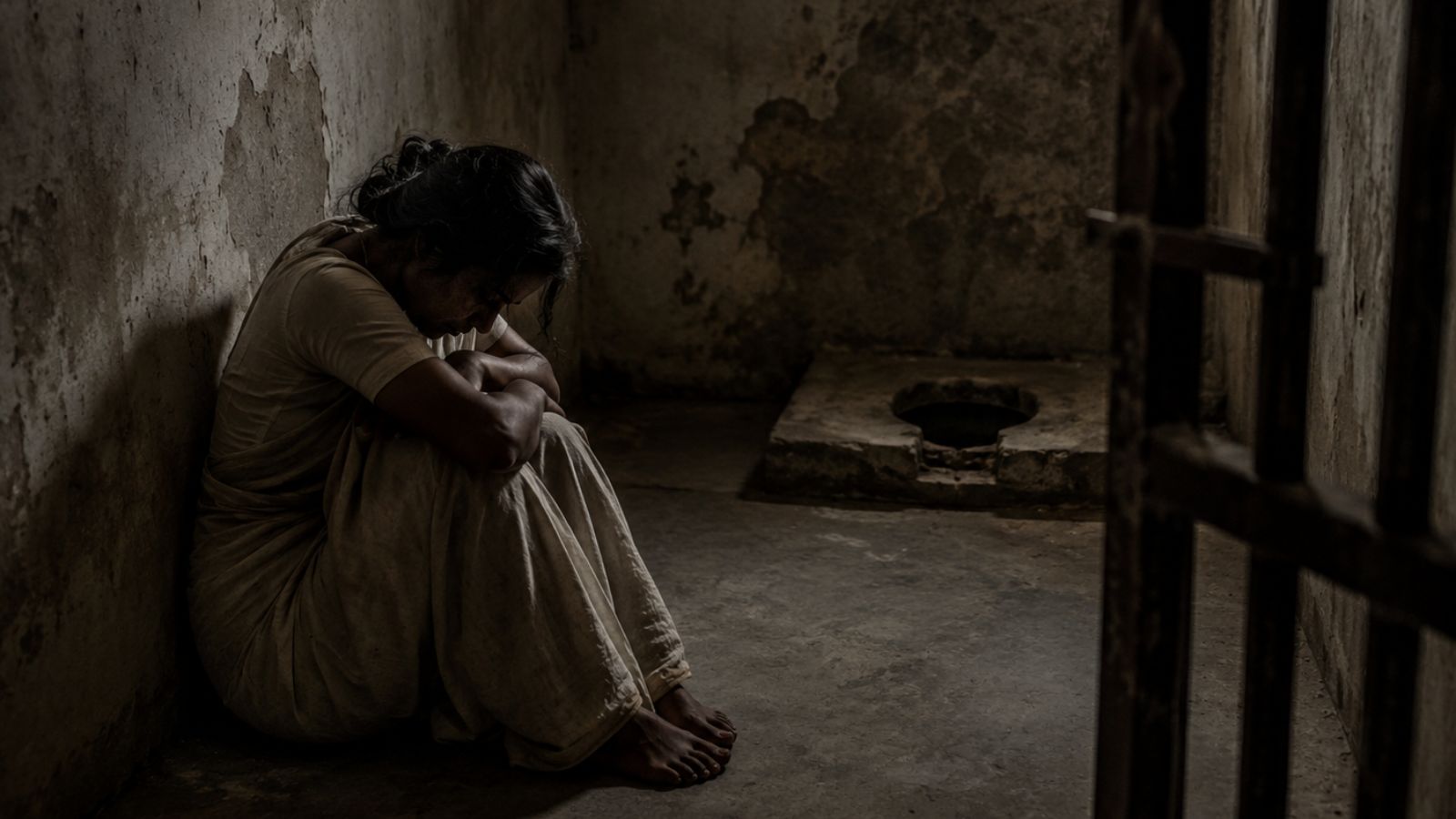
Reddy's prison diary contains some of the most disturbing accounts of her time in custody. She wrote about the treatment of women prisoners and the humiliation they faced.
“As soon as a woman enters, she is stripped naked in front of everyone. When someone is sentenced, punishment follows — but does a human body deserve to be humiliated like this? Who is responsible for these dehumanising methods?” her diary entry stated.
Reddy's asthma worsened during her time in prison. Records of the period note that she received medical attention, but also that her condition deteriorated during her detention.
She was granted parole in December 1976 on health grounds. Her detention was revoked in January 1977. Reddy died on January 20, 1977, at the age of 44, after suffering a heart attack.
Her death came shortly after her release from detention and became closely associated with the physical and psychological toll of her imprisonment during the Emergency.
The Baroda Dynamite Case, in connection with which Reddy had been detained, did not result in her conviction.
A Prison Diary later became an important record of her experience in prison. Feminist historian and filmmaker Dr Uma Chakravarti also made a documentary based on her story.
MISA – the play
MISA was conceptualised and performed by Chilanka Floating Theatre, a Kozhikode-based theatre group. It was staged as part of the DYFI's 16th State Conference in Thrissur and subsequently became the subject of controversy after a short clip from the production was circulated on social media.
The play focuses on political repression during the Emergency and includes scenes depicting the humiliation and torture suffered by Snehalatha Reddy. The viral visuals showed the actress playing Reddy in limited clothing while performing a scene representing the humiliation she endured in prison.
Critics questioned the staging of the scene and its presentation at a major political conference. Supporters of the production argued that the circulated clip removed the scene from its historical and theatrical context and turned a depiction of custodial torture into a debate about obscenity and women's clothing.
DYFI has said the play will be staged again. The organisation has defended the production as a political work dealing with state repression, dissent and the Emergency.
The controversy, therefore, is not only about what an actor wore on stage. It is also about how political theatre depicts violence, humiliation and the experiences of women, and what happens when a single scene is separated from the story it was created to tell.
Snehalatha Reddy's story is larger than the controversy surrounding one scene. She was an artist who became a political prisoner during one of the darkest periods in India's democratic history. Her prison diary remains a record of what she experienced in custody.
And perhaps that is why the story continues to return to the stage.