

‘Vande Mataram’, a song that echoed during India’s freedom struggle, has now become the centre of a major political controversy. The BJP-led government’s decision to make the full rendition of the song mandatory at public events has triggered a series of political controversies across the country.
From the BJP’s move to file a case against Congress leader Sonia Gandhi to protests by students in Nagaland, numerous incidents have raised questions about why ‘Vande Mataram’ has become a topic of debate in India. The controversy surrounding the national song has sparked a wider political debate across the country.
Order mandating full rendition
On February 6, the Ministry of Home Affairs issued guidelines governing the rendition of Vande Mataram as part of the 150th-anniversary commemorations of the national song. The guidelines prescribed a full rendition of ‘Vande Mataram’, lasting 3 minutes and 10 seconds, and required everyone present to stand at attention while the song was being played.
The guidelines also approved the rendition of the complete six-stanza version at schools and formal government functions attended by the President or Governors, before and after presidential addresses broadcast on radio and television, when the National Flag is brought on parade, and on other similar occasions.
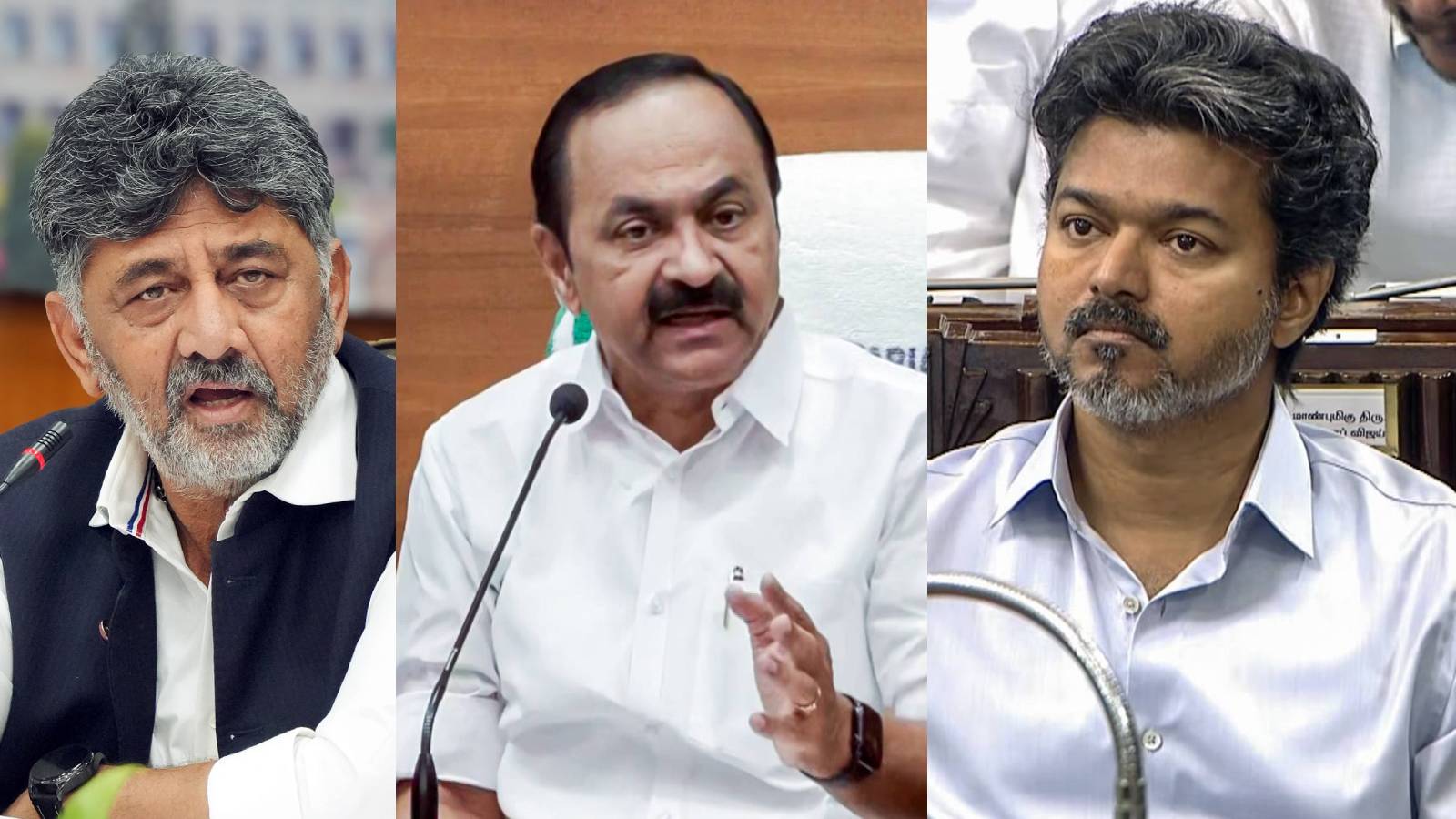
However, the order triggered a political uproar after the Indian National Congress, the major opposition party in Parliament, opposed it. Apart from the party, non-BJP-ruled states, including Karnataka and Tamil Nadu, declared that only the first two stanzas, which were adopted as India’s National Song in 1950, would be rendered at public events.
In Nagaland, students and Christian groups have been protesting against the full rendition of the song, arguing that it hurts religious sentiments.
Also Read:
What history says about the National Song’s adoption
‘Vande Mataram’, written by Bankim Chandra Chattopadhyay in Sanskritised Bengali, was included in his 1882 novel ‘Anandamath’, which narrated the Sanyasi Rebellion against the rule of Mir Jafar and the British East India Company in the late 18th century. The song became part of India’s freedom struggle following the Swadeshi movement in 1905.
Nobel laureate Rabindranath Tagore sang the first two stanzas of the song for the first time at a public event during the Calcutta session of the Indian National Congress in 1896. Historical sources reveal that the Jawaharlal Nehru-led Congress adopted the first two stanzas on Tagore’s recommendation.
Historian Sabyasachi Bhattacharya, in his book ‘Vande Mataram: The Biography of a Song’, revealed that India’s first Prime Minister, Jawaharlal Nehru, in a letter to Subhas Chandra Bose and other leaders, opined that the full song could irritate other communities in the country. Tagore and Nehru reached this view after observing that references to temples and Hindu goddess Durga in the other stanzas could affect communal harmony and unity in the freedom movement.
Following these developments, the Congress Working Committee, in October 1937, recommended that only the first two stanzas be sung at national gatherings. After Independence, the Government of India adopted the first two stanzas as India’s National Song on January 24, 1950.
BJP’s push for full rendition
The Narendra Modi-led government decided to restore the original version of 'Vande Mataram' as the national song while celebrating its 150th anniversary in November 2025. A political controversy erupted in the country in December 2025 after Modi accused the Congress of skipping the other four stanzas to appease Muslim voters. He also alleged that the abridged version of the song contributed to India’s Partition.
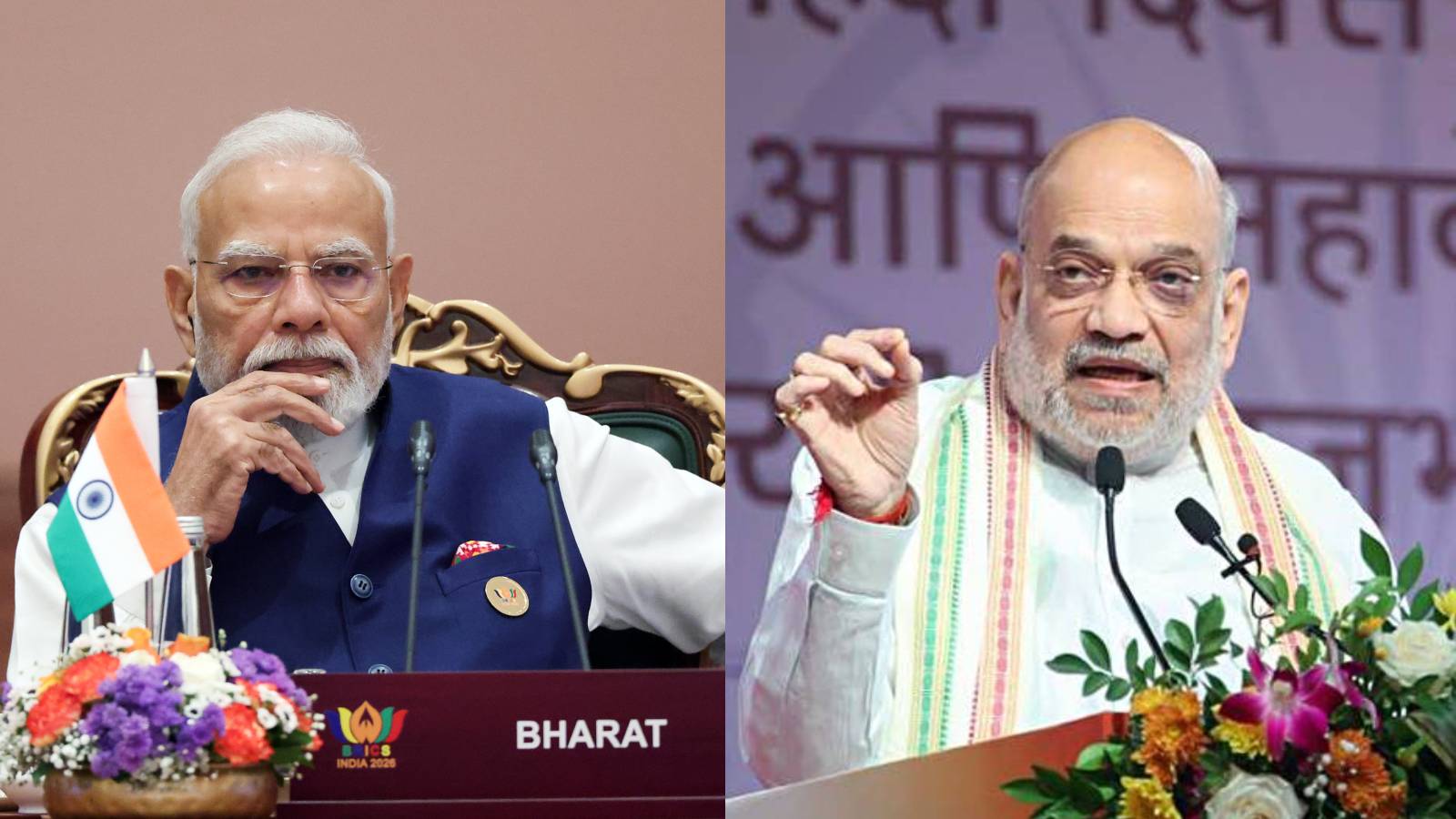
Home Minister Amit Shah also criticised the Congress, calling it anti-national for choosing only the first two stanzas as the National Song.
The dispute between the Congress and the BJP over the song escalated into a national debate after the Union Home Ministry, in its February 11 order, mandated the full rendition of the song in schools and at government events such as Independence Day celebrations.
'Vande Mataram' Bill
As a next step, the BJP-led government introduced the 'Vande Mataram' Bill, also known as the Prevention of Insults to National Honour (Amendment) Bill, 2026, which proposed criminalising the intentional disruption of or prevention of the singing of the National Song.
On July 30, Parliament passed the Bill, granting 'Vande Mataram' the same statutory protection as the national anthem, ‘Jana Gana Mana’. As the Act came into force on August 12, 2026, any insult to 'Vande Mataram' will attract punishment of imprisonment for up to 3 years, a fine, or both. However, the Act does not mandate the full rendition of the song, despite the BJP’s demand for it.
Compulsory rendition violates freedom of conscience
Political parties such as the CPM and several religious organisations have alleged that the government’s decision to make the full rendition mandatory violates the freedom of conscience guaranteed under Article 25 of the Indian Constitution. Christian and Muslim organisations in various parts of the country have also opposed the decision, arguing that it is unconstitutional and violates religious freedom under Article 26.
The All India Muslim Personal Law Board (AIMPLB) argued that the Union government had violated the Supreme Court’s August 11, 1986, order, which ruled that fundamental duties cannot be used to extinguish or override fundamental rights guaranteed by the Constitution of India.
The apex court issued the landmark judgment while hearing a case concerning the expulsion of three schoolchildren from a school in Keralam for refusing to sing the national anthem. Supreme Court Justice O Chinnappa Reddy ruled that the expulsion violated the children’s right to freedom of expression and religion.
Citing the order, various non-Hindu organisations argued that compelling any individual to recite a specific poem or composition that conflicts with their religious beliefs is contrary to the Constitution.
Independence Day celebrations reflect political dispute
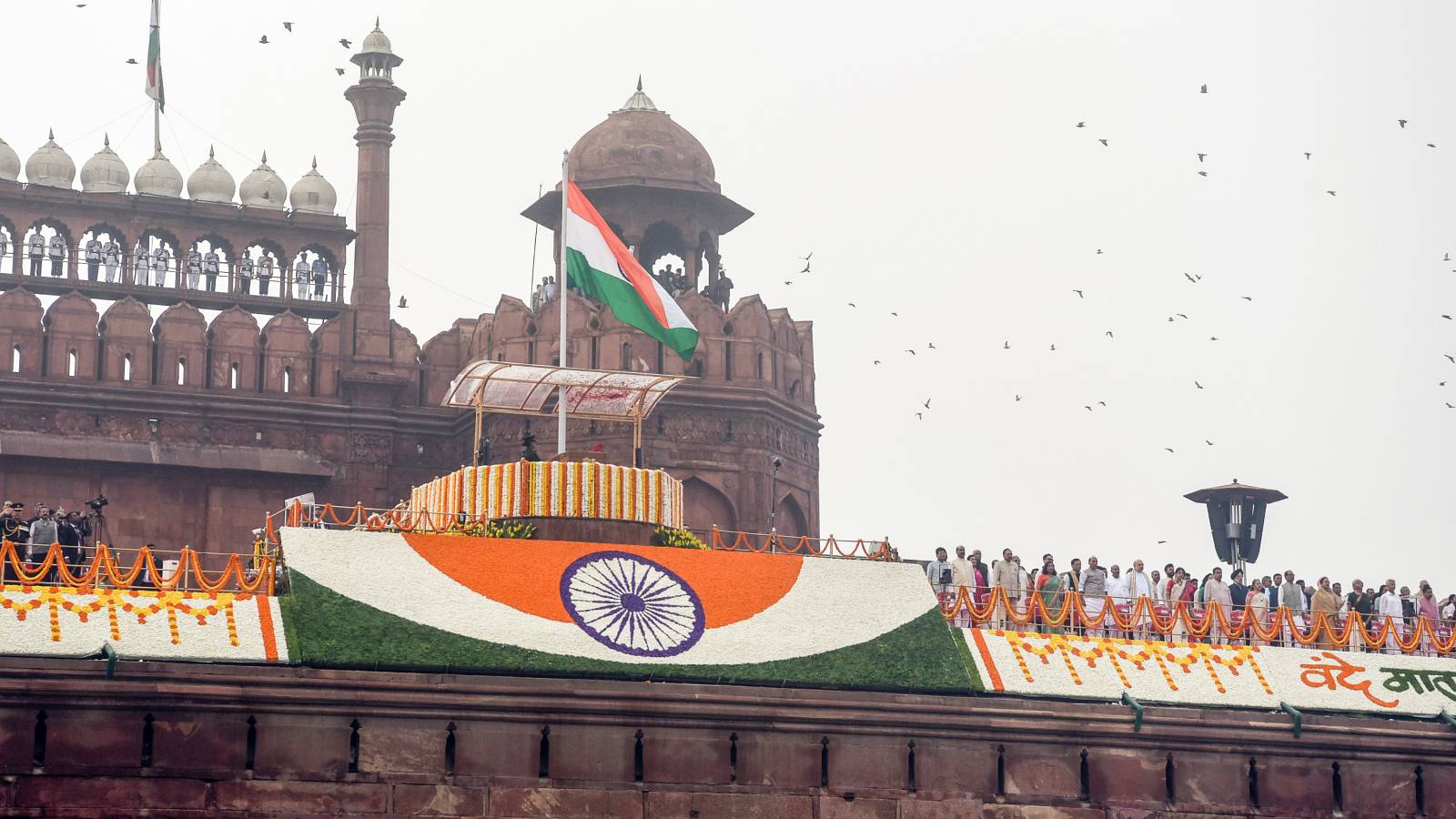
For the first time in India’s history, 'Vande Mataram' echoed at the Red Fort during the 85th Independence Day celebrations on August 15, 2026. However, the government order making the full rendition compulsory led to dramatic events as the country became divided over the National Song.
In non-BJP-ruled states such as Karnataka, Keralam and Tamil Nadu, only the first two stanzas were rendered during the celebrations. Some states witnessed both humorous and dramatic incidents over the National Song row.
In a video that went viral on social media, BJP councillors in Keralam’s Kozhikode Corporation were heard singing 'Vande Mataram' while members of other parties sang ‘Jana Gana Mana’.
Although Karnataka, Keralam, Tamil Nadu and Telangana maintained a policy of sticking to the traditional two-stanza protocol at state functions, some local bodies under BJP rule followed the Union government’s order.
As protests and debates continue, the BJP government continues to defend its decision as a major step towards promoting patriotism, although critics see it as part of a veiled plan for saffronisation and the imposition of a Hindutva agenda.