

A major communications failure brought air travel across the United States to a near standstill on November 13.
According to the Federal Aviation Administration (FAA), a rare nationwide ground stop remained in effect for more than four hours, disrupting domestic and international flights.
The shutdown caused widespread confusion, flight delays, and congestion at airports across the country.
What led to such an emergency decision?
Technicians were installing system updates, overloading the FAA’s aging air traffic control network. Those upgrades overwhelmed the older hardware, disrupting radar and voice communications across all regional control centres. This prompted the FAA to shut down departures nationwide as a safety precaution.
What were the aftereffects?
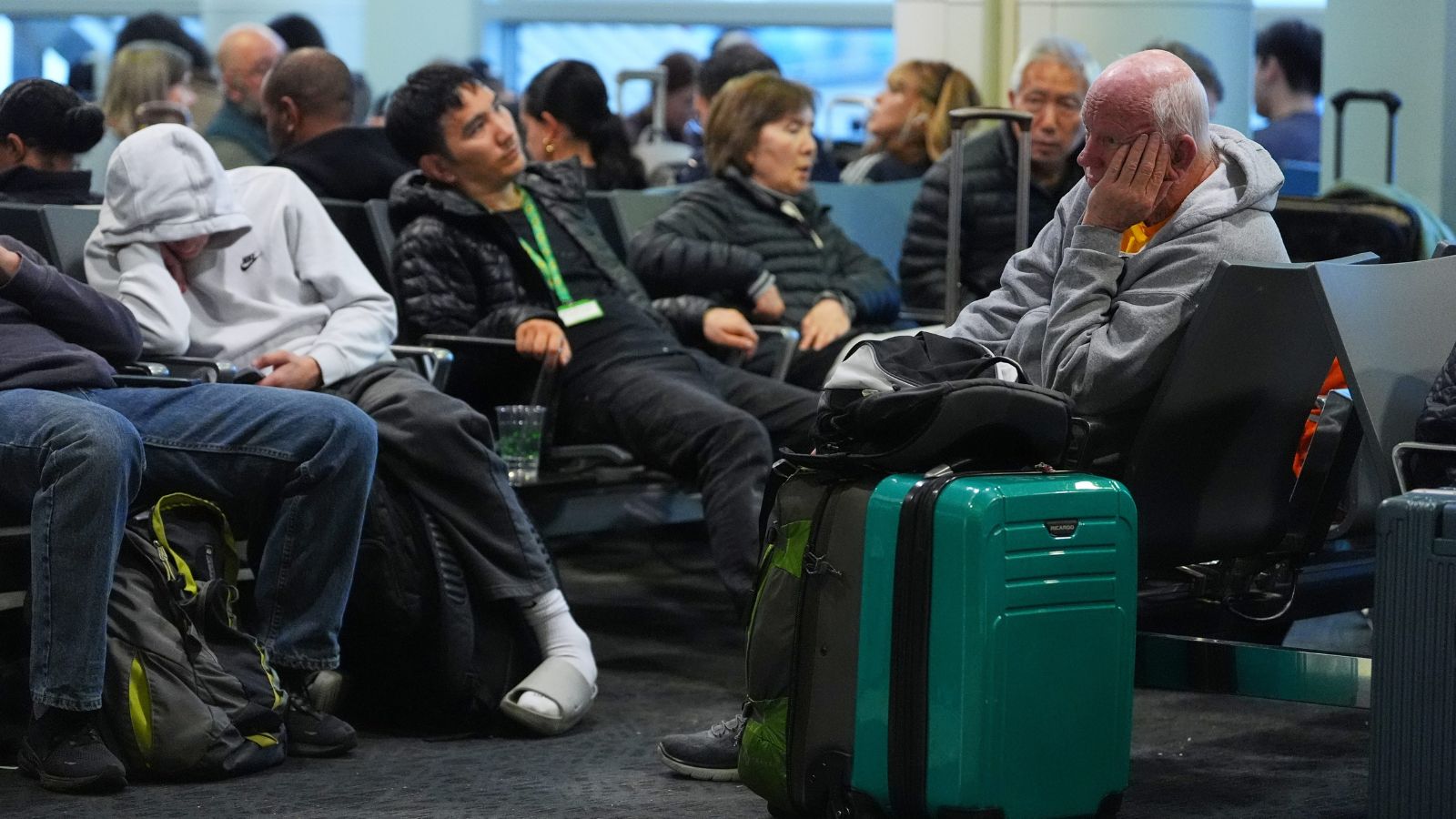
The emergency shutdown left air travel in complete chaos. Thousands of planes and flight crews ended up stranded in the wrong cities; airlines faced delays, and many flight journeys were cancelled all of a sudden. According to the BBC, airports were piled up with luggage, and thousands spent the night sleeping on terminal floors at airports like Ronald Reagan Washington National, LaGuardia, and Chicago O’Hare.
Flight-tracking platform FlightAware reported that more than 7,000 flights were cancelled from and to the US. Additionally, over 825 airborne flights were forced to turn back or divert to alternate airports after major hubs ran out of gate space.
What do authorities have to say?
Federal officials emphasized that travellers were never in danger and the network failure was never due to any cyberattack. The emergency shutdown was completely due to the aging air traffic control infrastructure.
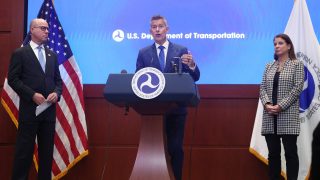
Transportation Secretary Sean Duffy warned he could not guarantee similar incidents won’t happen again, noting the disruption has affected the 22 regional air traffic control centres that direct planes en route between airports nationwide.
Homeland Security Secretary Markwayne Mullin stressed that the FAA was installing “new equipment, new technology” and “it was overwhelming the older system.” There appeared to be no indication of a cyberattack, he said.
Meanwhile, lawmakers from both parties called for formal investigations, as this is a serious safety issue concerning the nation’s airspace.
What is the current situation?
US airports are open, and flight services have resumed. The FAA has confirmed that its technicians thoroughly tested the air traffic control systems to ensure they are stable and reliable before resuming services.
The government has been working to overhaul the outdated technology that air traffic controllers rely on since Congress approved $12.5 billion for the project last year.
(This copy is compiled by Ankitha)