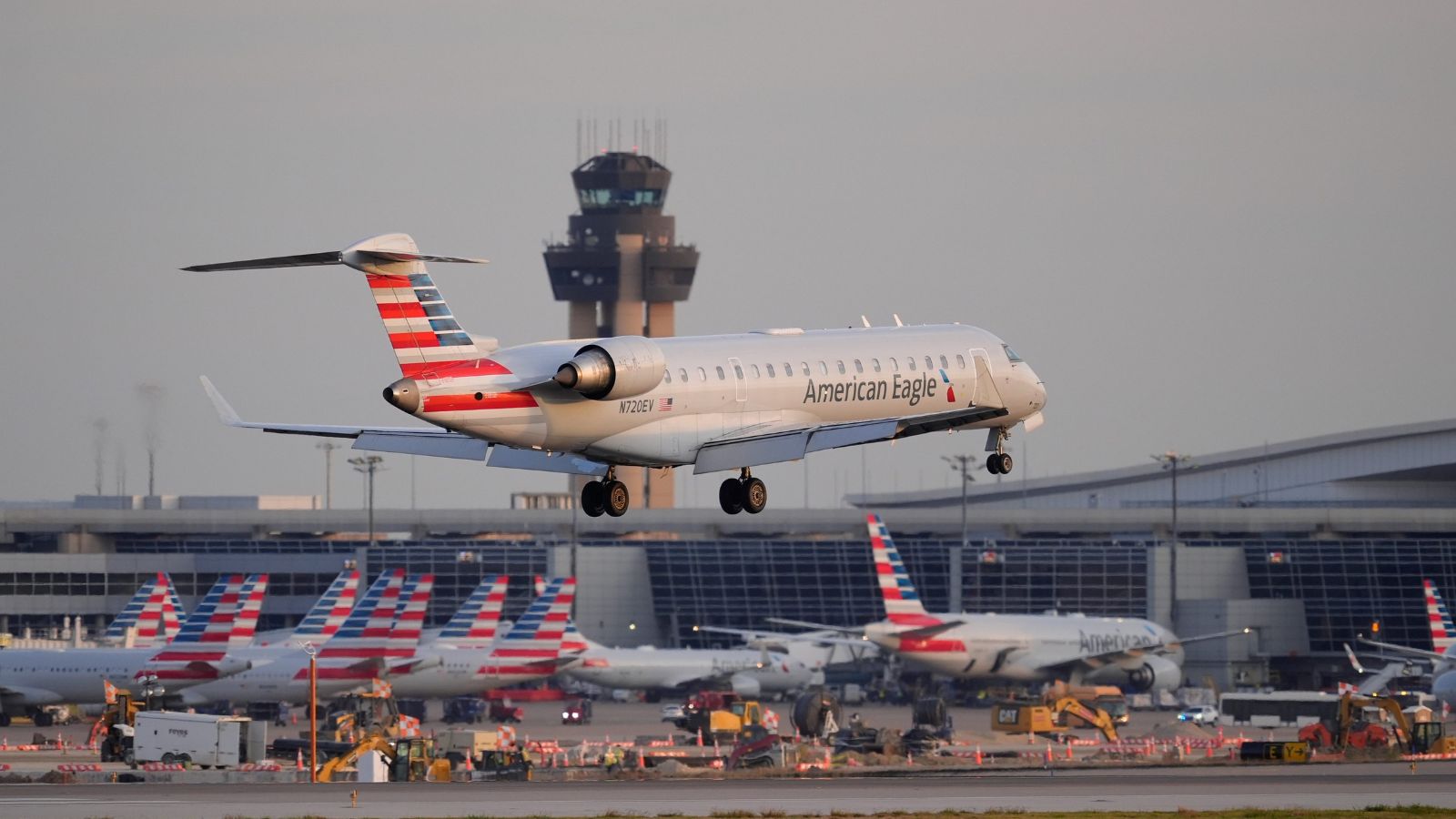


United States: The five-hour nationwide shutdown affected more than a million travellers, with over 800 flights diverted and cancellations exceeding 10,000. Officials warned that disruptions could take days to clear.
The United States lifted a nationwide ground stop on November 13 (Eastern time) after a telecommunications disruption affected air traffic control operations across the country, grounding most departing flights for around five hours and triggering widespread delays, cancellations and diversions.
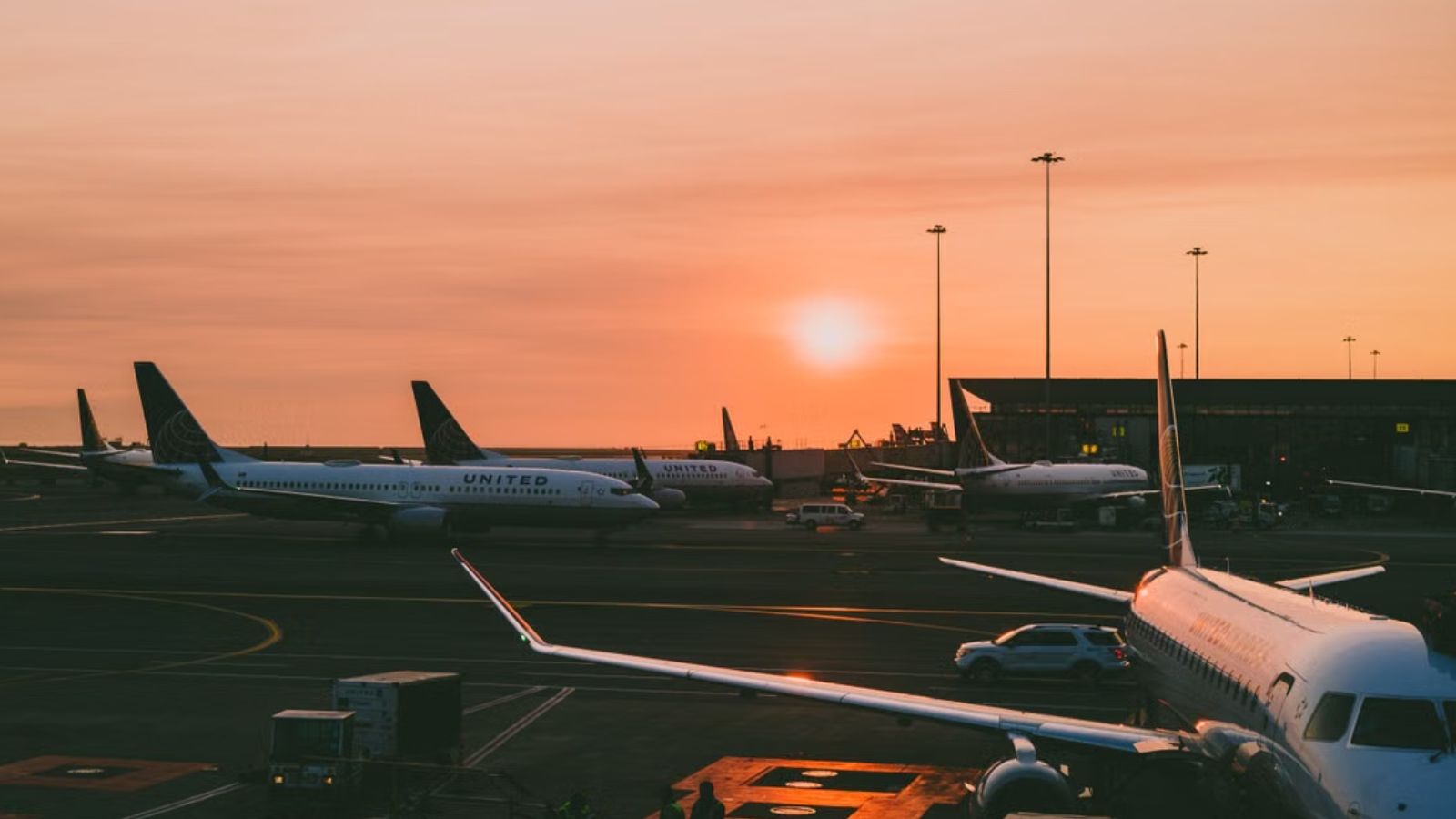
The Federal Aviation Administration (FAA) lifted the restriction on Friday evening, allowing flights to resume at 8.15 pm Eastern time. However, thousands of passengers remained stranded as airlines worked to reposition aircraft and crews displaced by the disruption.
The Trump administration attributed the incident to new technology overwhelming ageing air traffic control infrastructure, resulting in intermittent communication and radar problems. Officials said there was no indication of a cyberattack or deliberate act, although investigations into the cause were continuing.
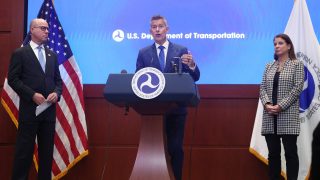
US Transportation Secretary Sean Duffy said the disruption began at approximately 3.36 pm local time, when radar and communication systems at air traffic control centres and Terminal Radar Approach Control (TRACON) facilities across the country began experiencing instability.
"At 3:36 pm, we experienced instability for our radar and our communications in our centres and our TRACONs across the country," Duffy said.
Air traffic controllers began receiving inconsistent radar data and communication signals from aircraft, prompting the FAA to activate established safety procedures and impose the nationwide ground stop.
"The TRACONs and the centres, we started to have inconsistency in the data from the radars and our communication with airplanes. And we have procedures for this. Our pilots are well trained, our air traffic controllers are well trained, and at that point we issued a ground stop," he said.
Duffy said more than 3,500 aircraft were airborne when the restriction was imposed. Authorities coordinated their safe landing, and fewer than 400 aircraft remained in the airspace at the time of his briefing.
He clarified that the disruption did not completely disable all radar or telecommunications systems. However, the instability was serious enough to warrant grounding flights as a precaution.
"We didn't lose all telecom, we didn't lose all radar, but that instability—because of an abundance of caution and making sure we keep the American flyer safe—we did the ground stop," Duffy said.
He added that critical operations, including medical evacuation flights, cargo movements carrying life-saving medicines, and law enforcement operations, were allowed to continue.
Ageing systems blamed for nationwide disruption
Duffy attributed the technical problems to the country's legacy telecommunications infrastructure, which operates on an analogue system. He said the equipment had become overloaded with data, causing inconsistencies in information transmitted through routers and switches.
"We have TDM telecom. So, this is analog telecom. Our switches, our routers actually got overloaded with data, and they went down. And—I shouldn't say they went down—they started to give us inconsistency in the data from those routers, and because of that we shut the system down," he said.
He also said newer Internet Protocol (IP) switches installed under the Trump administration continued to function during the incident, while older equipment experienced instability.
Homeland Security Secretary Markwayne Mullin separately said the FAA had been installing new equipment and technology that overwhelmed the older system.
The administration described the incident as the longest nationwide ground stop in 25 years. It was the first such shutdown since January 2023, when a key FAA computer system malfunctioned, and the second since the aftermath of the September 11, 2001 attacks.
Mullin sought to distinguish the disruption from the 9/11 attacks, saying there was no indication that a national security threat was involved.
"This isn't the same comparison to 9/11," he told reporters outside the White House.
He said authorities had no reason to believe the telecommunications failure was a threat to the United States, while cautioning that the investigation had not established the precise cause.
"There is no indication that we've had, no reason to believe, that as of right now this was a threat to the United States," Mullin said.
He also said there was no evidence of a cyberattack or deliberate act. Asked whether he could rule out a cyberattack or an incident involving rogue artificial intelligence, he said: "There's nothing completely certain right now. It doesn't appear that way."
Mullin confirmed that US President Donald Trump had been briefed on the disruption and had spoken with Duffy. He also dismissed speculation that the FAA outage was connected to a separate Microsoft disruption reported a day earlier.
"I don't see any reason to connect those two at all," he said. "Those are separate issues."
The Homeland Security secretary said more than 3,000 flights had landed safely and no one was in danger. He added that the Federal Emergency Management Agency (FEMA) had activated its centres to help passengers who might need essential medication or other support because of the disruption.
Also Read:

Thousands of flights cancelled and diverted
The shutdown affected thousands of flights and more than a million travellers across the United States. Some 11,000 flights carrying more than 1.5 million passengers had been scheduled to depart from US airports after 4 pm Eastern time.
At least 827 flights were diverted, according to aviation analytics company Cirium. As of 7.05 pm Eastern time, 670 flights had returned to their original departure airports, while 157 were redirected to other airports. Washington Dulles International Airport, Los Angeles International Airport, Cincinnati/Northern Kentucky International Airport, and Nashville International Airport were among the airports that received diverted flights.
Flight-tracking platform FlightAware reported approximately 7,000 delayed or cancelled flights following the disruption. Flightradar24 subsequently reported that cancellations had exceeded 10,000.
Chicago O'Hare recorded the highest number of cancellations in an earlier tally, at 722, followed by Atlanta with 691, Dallas-Fort Worth with 491 and New York's LaGuardia with 438. Denver, Los Angeles, San Francisco and John F. Kennedy International Airport were also among the worst-affected airports.
The scale of the disruption was also reflected in flight-tracking data. At 01.29 UTC, the number of flights worldwide bound for US airports had fallen to 336, compared with the usual volume of more than 3,600 at that time, according to Flightradar24.
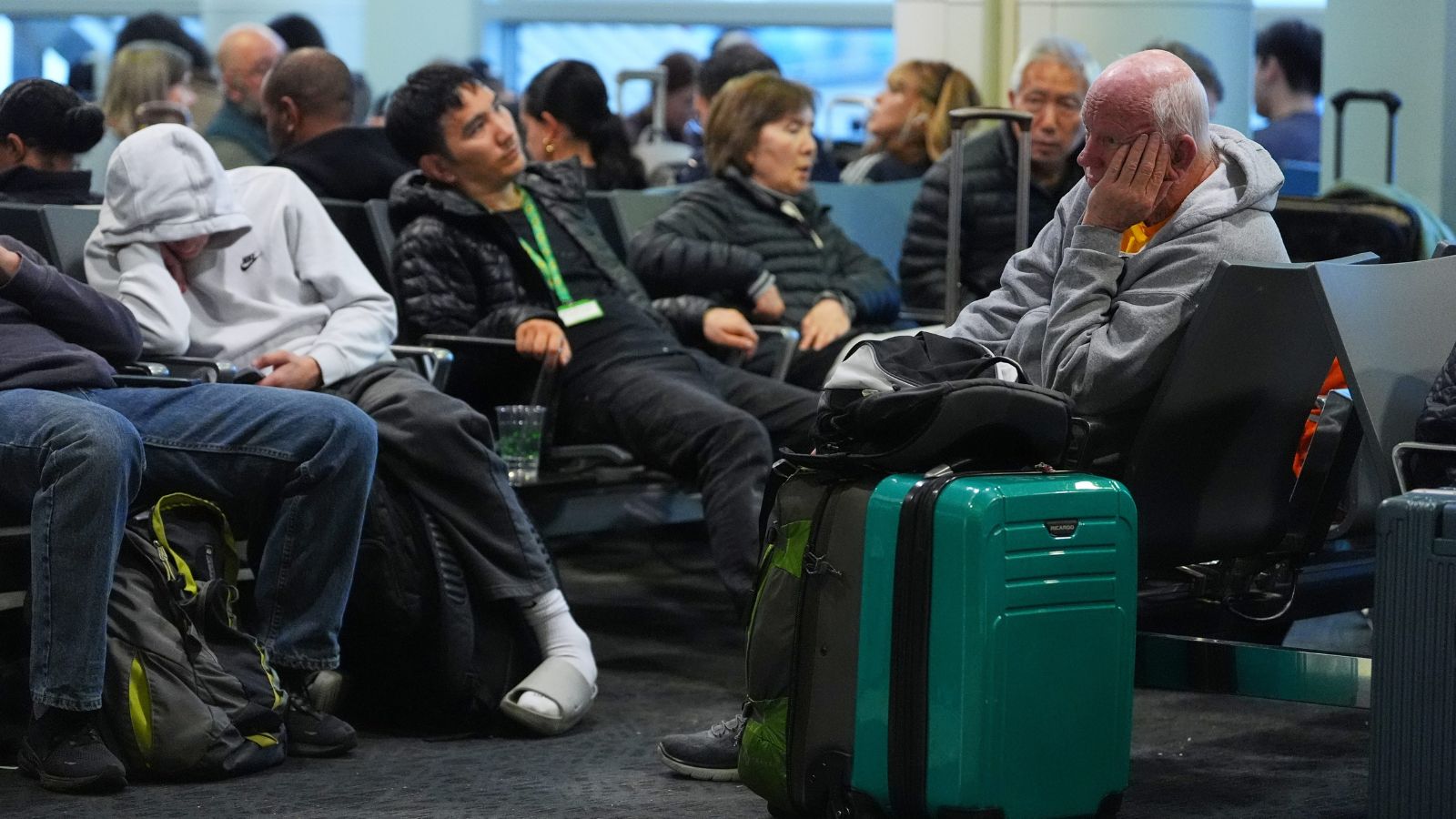
Travellers at airports faced uncertainty over how long they would have to wait. At Chicago O'Hare, passengers saw flight delays displayed across airport screens. Some considered staying overnight or finding alternative ways to reach their destinations.
A Seattle software engineer, Amber McQuilkin, told reporters she was worried about missing a trip to New York for the League of Legends world finals. Austin Curtis and his wife, meanwhile, were reconsidering their journey from South Bend, Indiana, to Denver after being asked to leave their aircraft during a layover in Chicago.
The disruption also affected international operations. Air India warned of possible consequential disruptions to flights to and from the United States, advising passengers to check their flight status before travelling to airports.

Sports teams and cargo operations affected
The ground stop left NBA, NHL, and college sports teams stranded as they tried to reach their destinations. NFL teams also faced uncertainty over whether they would be able to travel in time for their weekend games.
Duffy said NCAA teams would be prioritised ahead of Saturday's football fixtures and urged them to coordinate their travel schedules with the FAA.
"I would encourage those football teams to reach out to the FAA, to schedule their flight times and make sure they can move" in time for their games, he said.
Cargo operations were also affected. FedEx, the world's largest cargo airline, said it was prepared to activate contingency plans to minimise possible disruption.
US airlines transport around 61,000 tons of goods daily to and from more than 220 countries, according to industry trade group Airlines for America. The shipments include everything from letters and packages to other goods.
Despite the nationwide ground stop, SpaceX proceeded with the launch of its Starship rocket from Texas on Friday afternoon as part of its latest test flight.
Officials warn of prolonged recovery
Although the FAA lifted the ground stop after around five hours, officials warned that returning to normal operations would take time because aircraft and crews had been displaced across the country.
Duffy said he could not guarantee that a similar disruption would not happen again. He warned that the recovery could take several days, even though the administration expected the system to return to normal in time for the Thanksgiving travel rush.
He renewed calls for Congress to provide bipartisan funding for a complete overhaul of the country's air traffic control infrastructure, arguing that incremental repairs would not be sufficient.
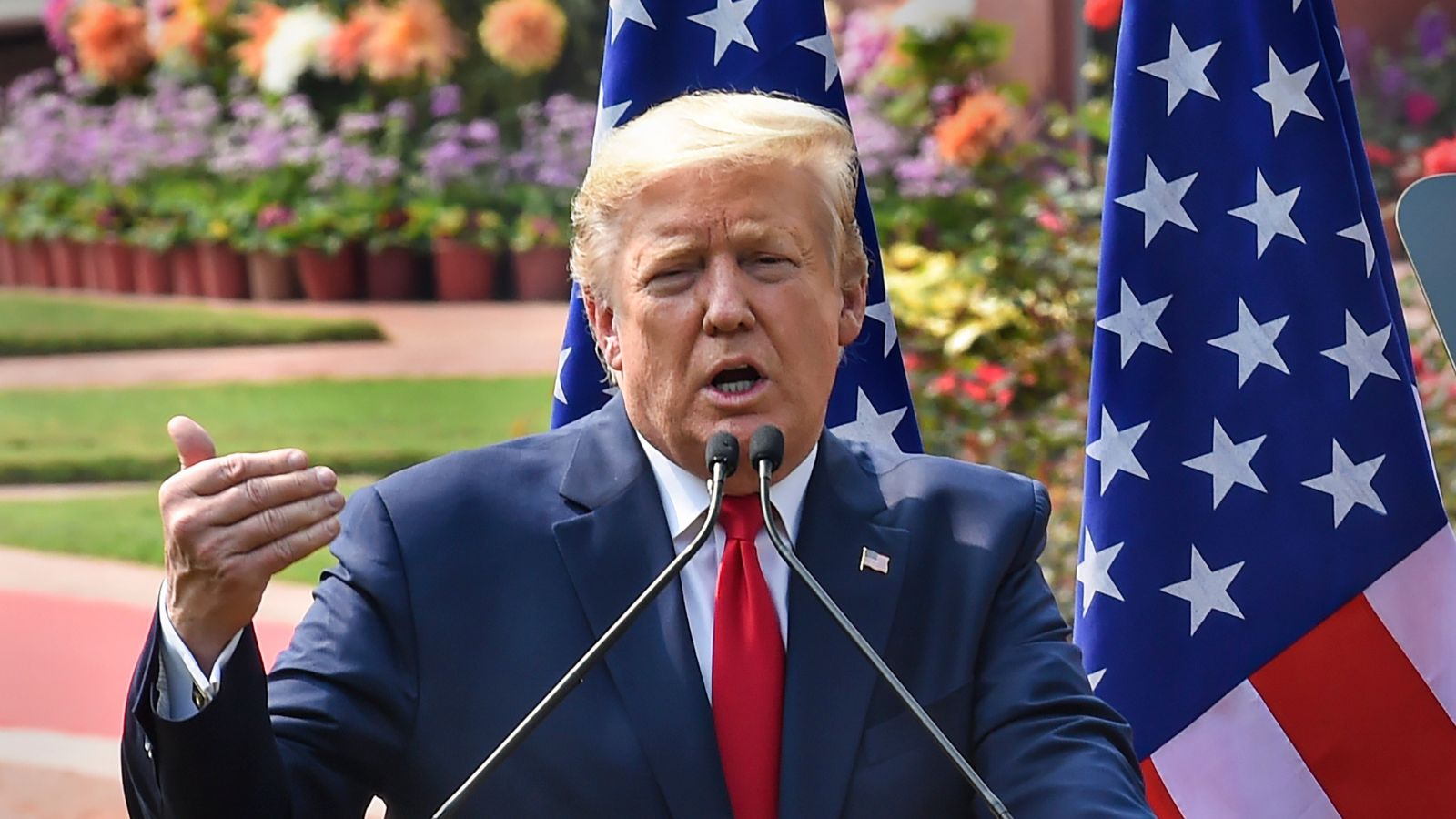
"The president for the last year has been asking Congress to fully fund a full build of a brand new air traffic control system," Duffy said.
He also criticised previous administrations, claiming that $15 billion had been allocated to FAA upgrades over the past 25 years without sufficient progress. Duffy said the $12.5 billion approved under Trump's administration was an initial investment and urged lawmakers to provide the remaining funds.
"Let's not do a patchwork fix to a system that's critical for every single family. It's not red, it's not blue, it's not Democrat, it's not Republican. It's American. Give us the money to fix it," he said.
The FAA, meanwhile, said passenger safety remained its highest priority. The agency said it had thoroughly tested its systems to confirm stability and operational reliability before allowing departures to resume, and advised passengers to contact their airlines for updates.
The disruption has renewed attention on previous problems involving US air traffic control infrastructure. A regional communications outage in September, which affected hundreds of flights across the northeastern United States, was linked to a construction crew cutting a fibre-optic line. Ageing equipment was also blamed for radar outages that disrupted operations at Newark airport last year.
Aviation safety expert Steve Arroyo said the nationwide scale of the latest incident made it particularly serious because controllers could not reliably communicate with pilots.
Also Read:
"If you don't have that ability, whether it's because the old wires that they have are just run down or for whatever reason, you've got to stop airplanes on the ground and not put them in the air, where you're going to risk not being able to communicate with them," said Arroyo, a former United Airlines pilot.
He also noted that the incident differed from the ground stop following the September 11 attacks, as aircraft were not instructed to land immediately and pilots were likely still able to communicate with ground controllers at airports.
The FAA has since allowed flights to resume, but the scale of the cancellations, diversions and delays means the effects of the five-hour shutdown are expected to continue beyond the lifting of the restriction.
(With inputs from ANI, AP via PTI, and BBC)
This article is compiled by Aiswarya Padmakumari.